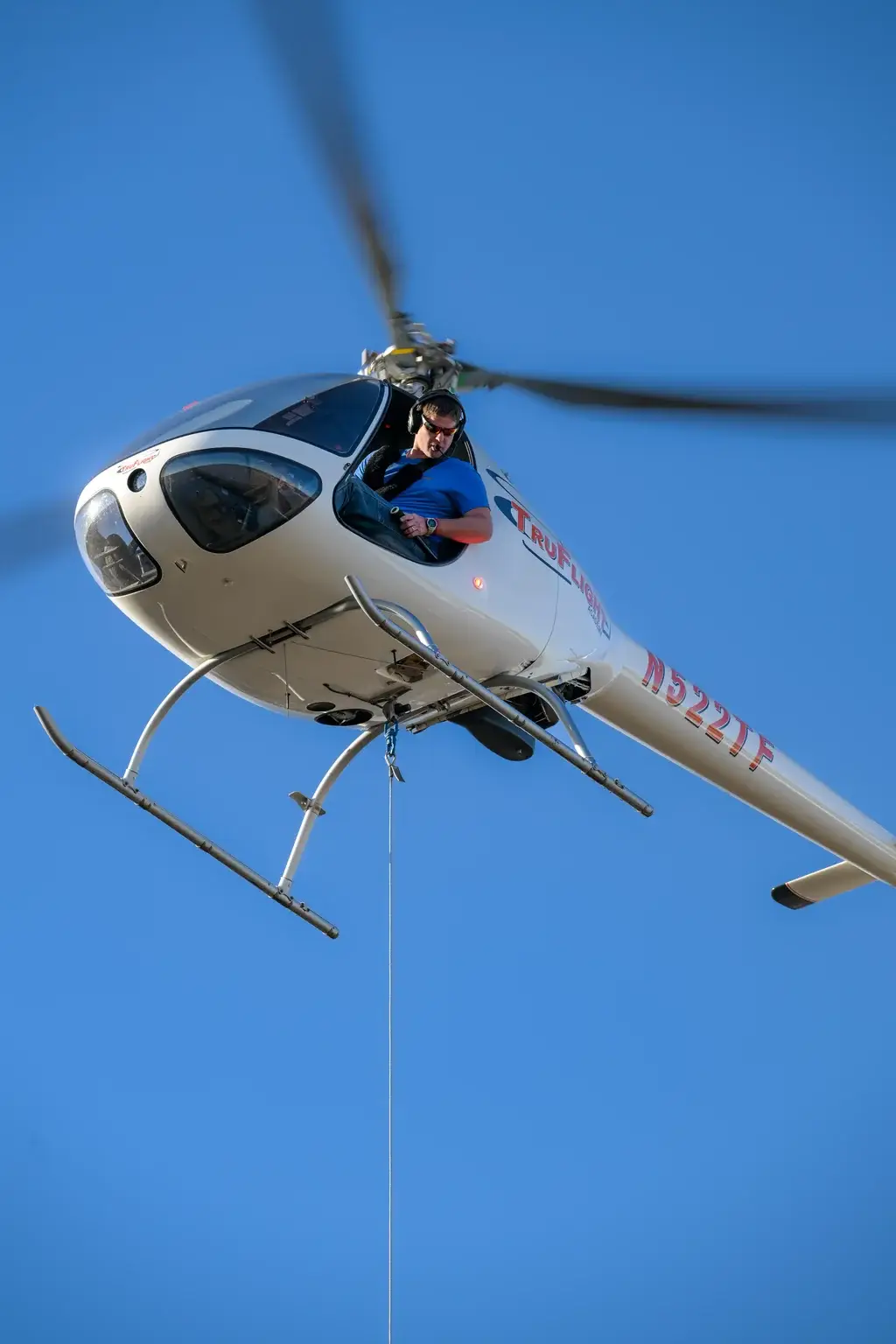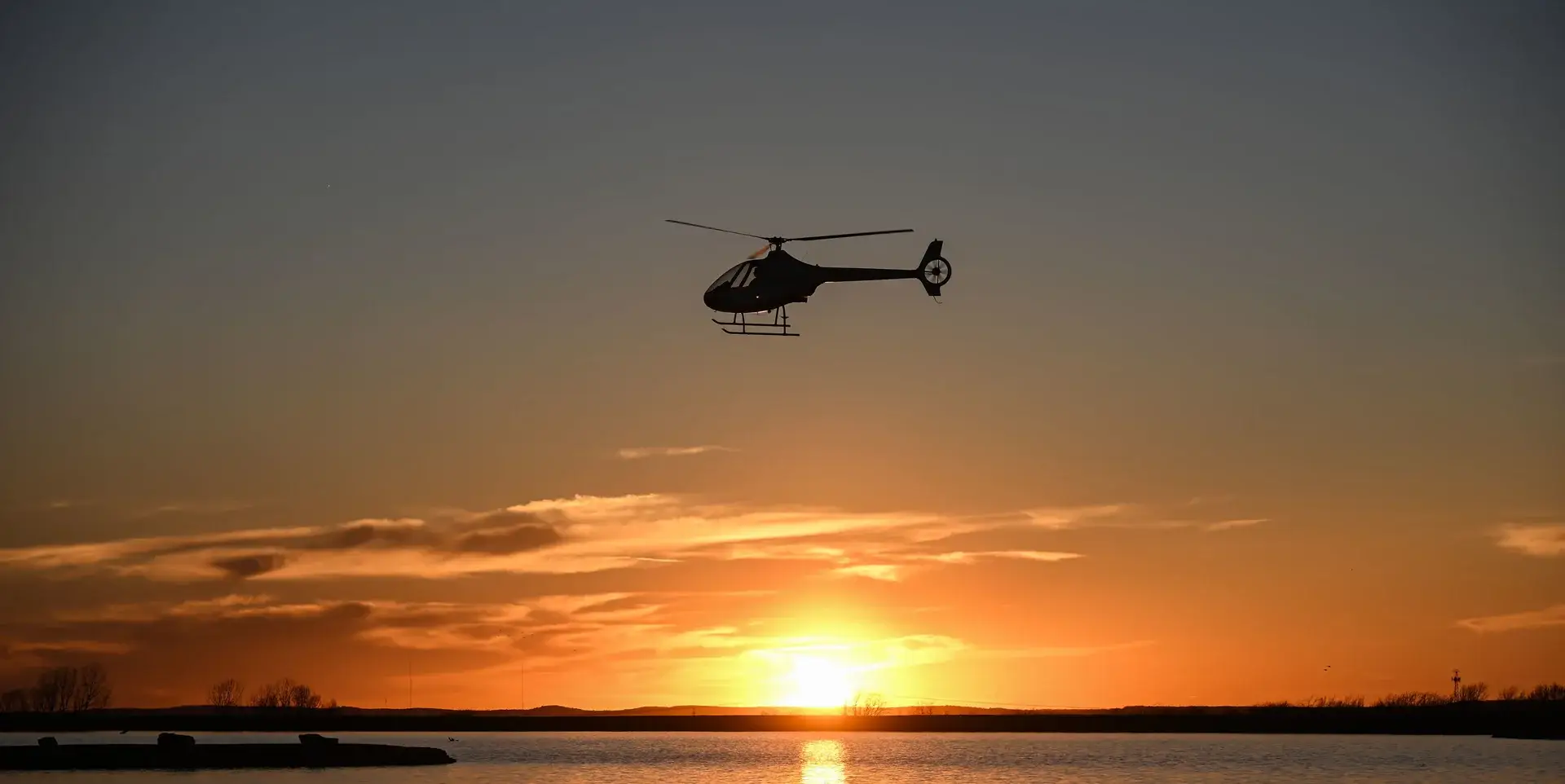
What to Expect on Your First Helicopter Solo
Getting ready for your first helicopter solo? Learn what happens before, during, and after this major private pilot training milestone.
The Moment the Cockpit Gets Quiet
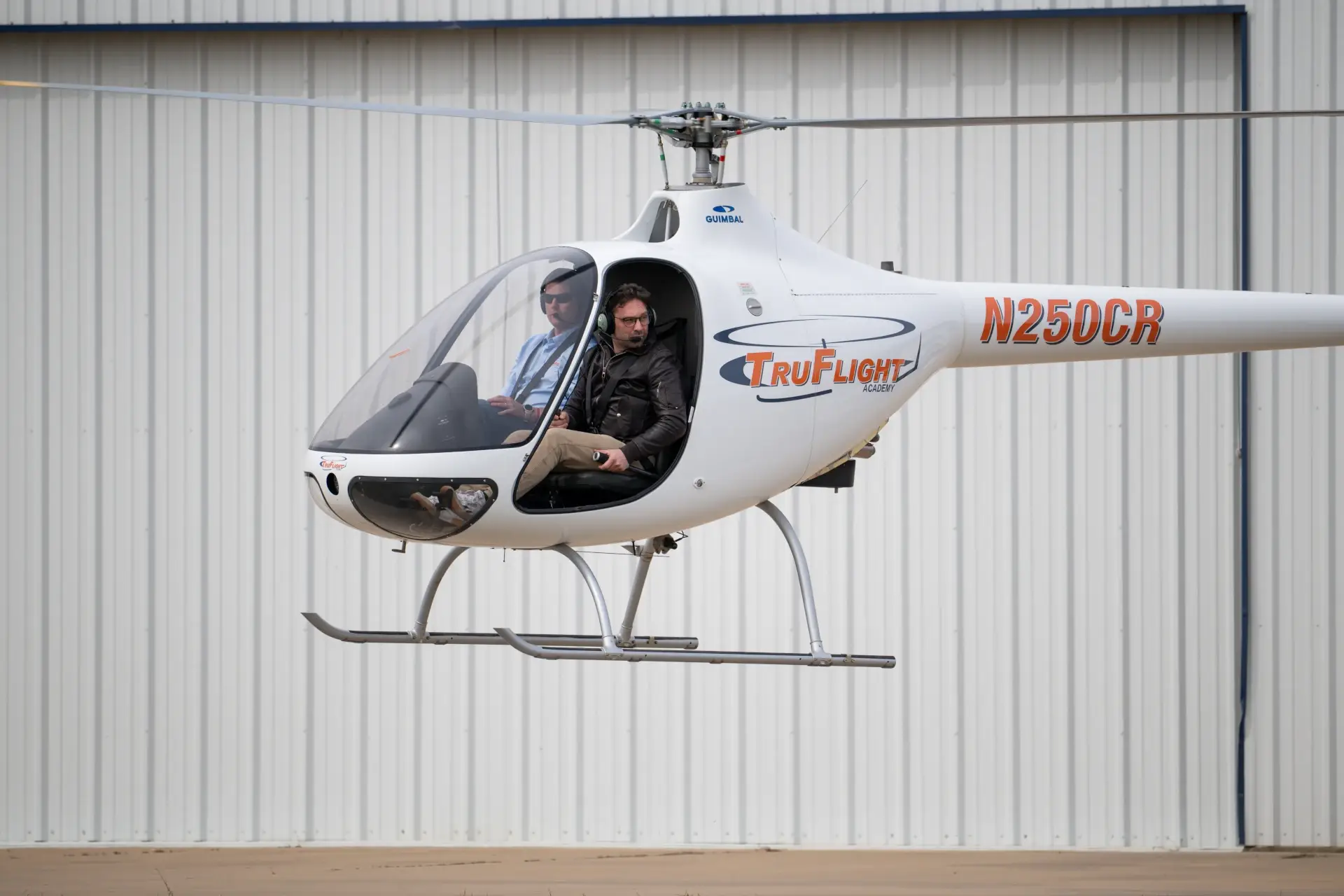
Your first helicopter solo has a sound all its own. The engine, the rotor, the radio, and the checklist are familiar by then. The part that feels different is the empty instructor seat.
That empty seat is the result of many smaller decisions going right: steady hover practice, good radio calls, safe approaches, consistent procedures, and an instructor who has watched you handle the aircraft with discipline. At TruFlight Academy, we want your first solo to feel exciting, but we also want it to feel earned.
If you are working toward your private pilot helicopter certificate, solo flight is one of the big milestones on the way. Here is what usually happens before, during, and after that first flight by yourself.
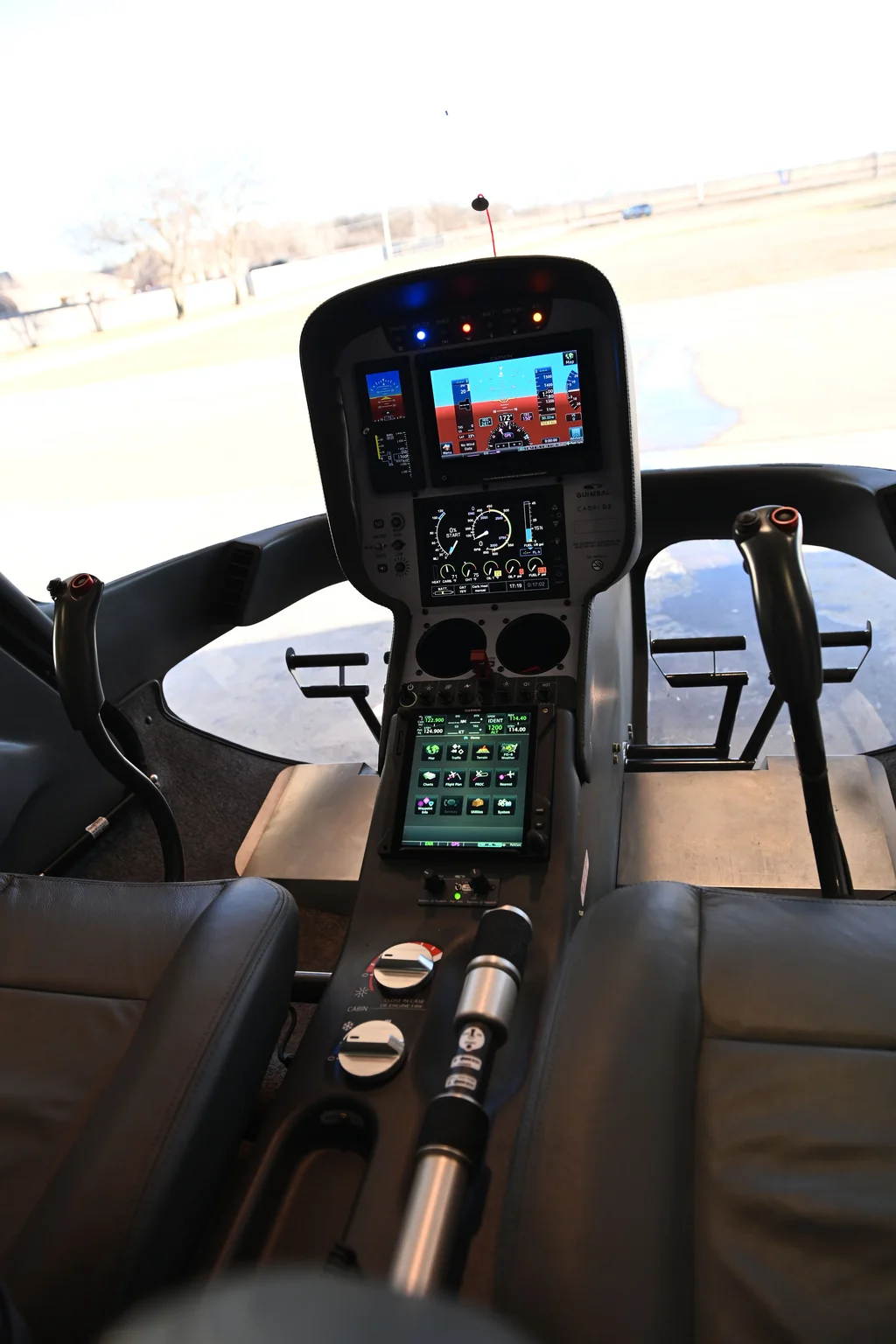
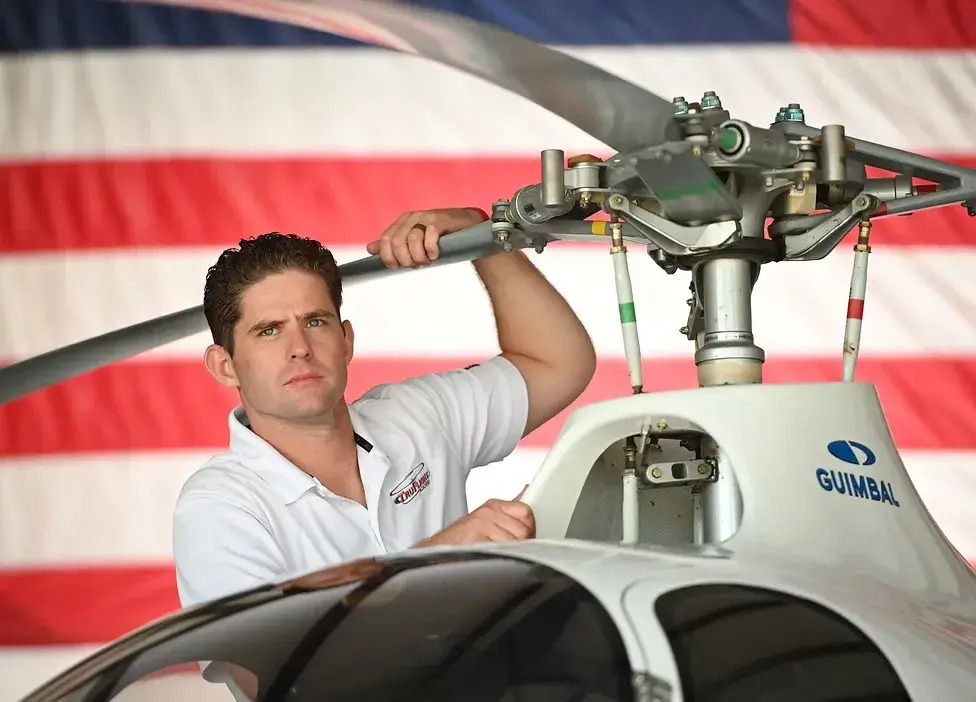
Your first solo starts with understanding every detail of the instrument panel.
Solo Comes After Readiness
One of the most common questions students ask is, “When will I solo?” The honest answer is that solo timing depends on readiness. Your schedule, weather, aircraft availability, lesson frequency, ground preparation, and proficiency all matter.
Before a first solo, a student pilot needs the right paperwork and authorization. That includes a student pilot certificate, the applicable medical qualification for most helicopter students, and instructor endorsements for the solo operation. Your instructor also needs to see that you can manage the aircraft, procedures, communication, and decision-making expected for that specific solo.
That is why we do not treat solo as a race. A student who solos with calm, repeatable habits is in a much better place than a student who rushes toward a date on the calendar.
What Your Instructor Is Looking For
By the time your instructor is considering a solo endorsement, you have already done the work many times with someone beside you. In helicopter training, that usually means building consistency in the tasks that make a flight predictable.
Your instructor will be watching for:
- Aircraft control
Smooth inputs, stable hover work, coordinated takeoffs and landings, and good awareness of what the helicopter is doing. - Procedural discipline
Checklist use, preflight habits, fuel awareness, and attention to limitations. - Traffic and radio awareness
Knowing where you are, who else is nearby, and what needs to be said clearly. - Weather judgment
Understanding whether the conditions match your current ability and the plan for the lesson. - Calm decision-making
Recognizing when to continue, when to correct, and when to stop.
The goal is that your flying is controlled, thoughtful, and ready for the limits of the solo your instructor authorizes, avoid trying to reach perfection.
What the First Solo Usually Feels Like
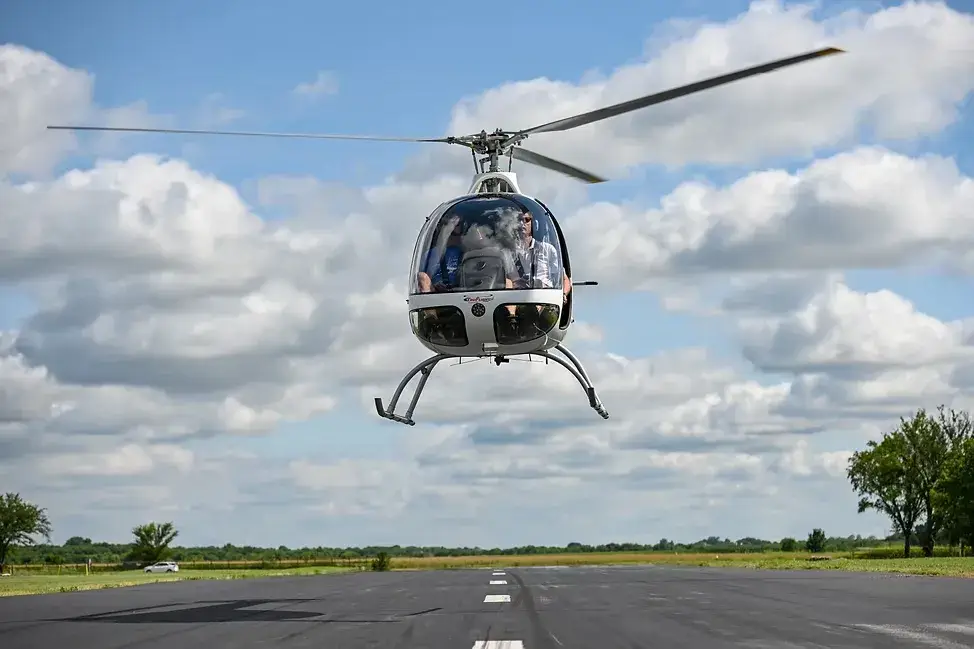
Most students expect the first solo to feel dramatic. It can, but the best first solos are often surprisingly simple. You preflight carefully. You brief the plan. You start the aircraft. You make the same calls you have practiced. Then you lift into a flight that feels both familiar and completely new.
The biggest difference is mental. Without your instructor in the seat beside you, every small habit matters more. You may notice the helicopter feels a little different with less weight. You may hear the radio more clearly. You may find yourself talking through the checklist out loud because that rhythm keeps you centered.
That is normal, there is no need to show off, your first solo is about proving to yourself that the training is becoming your own.
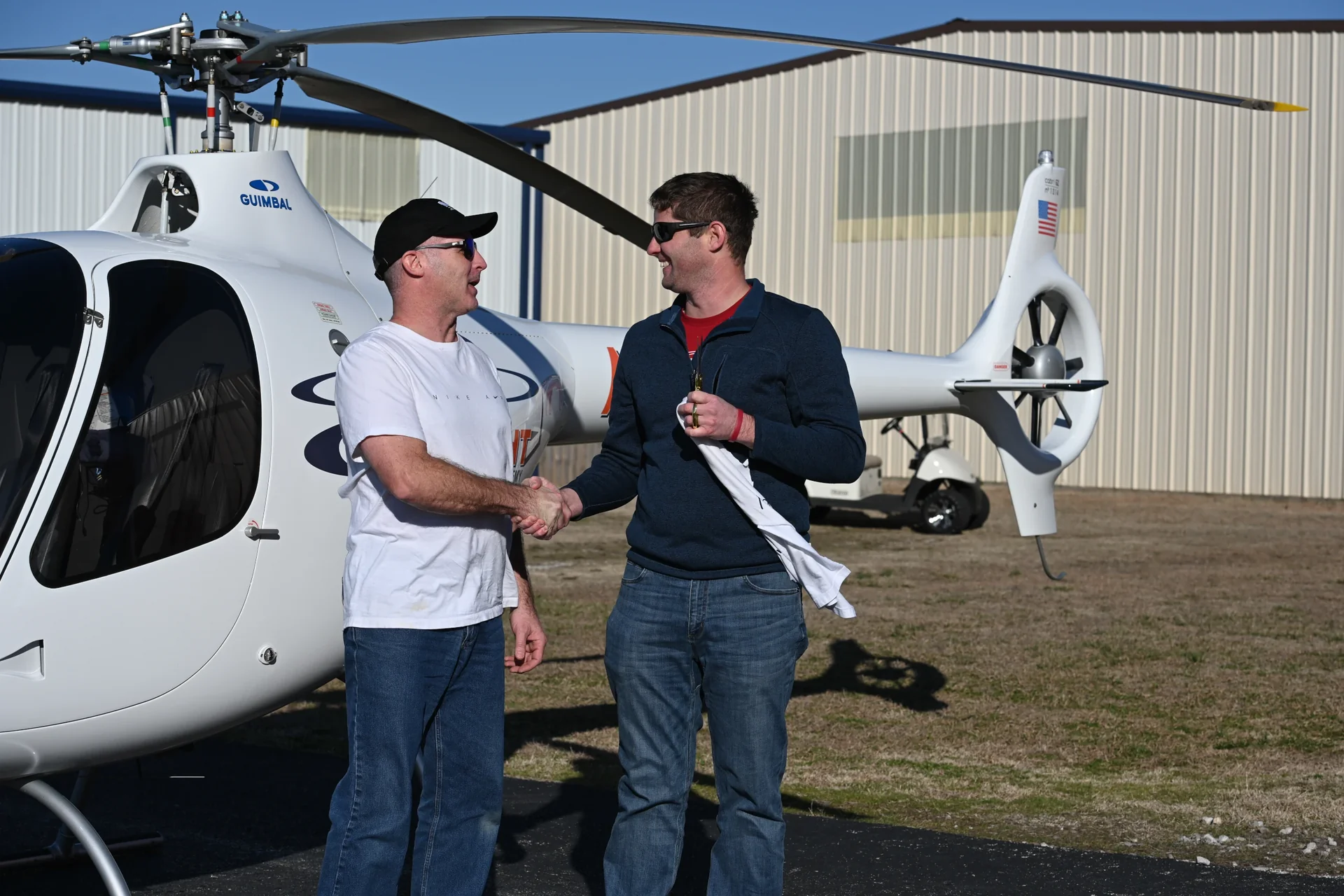
The solo is also about the confidence that follows.
What Not to Expect
Your first solo is a major achievement, but it is still a training event. It does not mean you are finished. It does not mean you are ready to carry passengers. It does not replace the rest of your ground school, dual instruction, cross-country work, checkride preparation, or practical test.
Think of it as the first time your instructor says, “You are ready to handle this limited flight without me in the aircraft.” That is a big statement, and it should give you confidence. It is also one step in a much larger path toward earning your certificate.
If you haven’t started training and can’t imagine yourself piloting a helicopter, a discovery flight is a good way to feel the controls and understand what helicopter training is like before you begin a full program.
How to Prepare Before Solo Day
The best solo preparation happens long before the day itself. Show up to each lesson ready to fly with purpose, not just to log time.
Build habits around:
- Reviewing lesson notes after each flight.
- Chair-flying procedures at home so cockpit flow feels natural.
- Studying weather, airspace, and airport procedures before you arrive.
- Asking questions when a maneuver feels inconsistent.
- Treating checklists as a normal part of flying, not a formality.
Why the Aircraft Matters
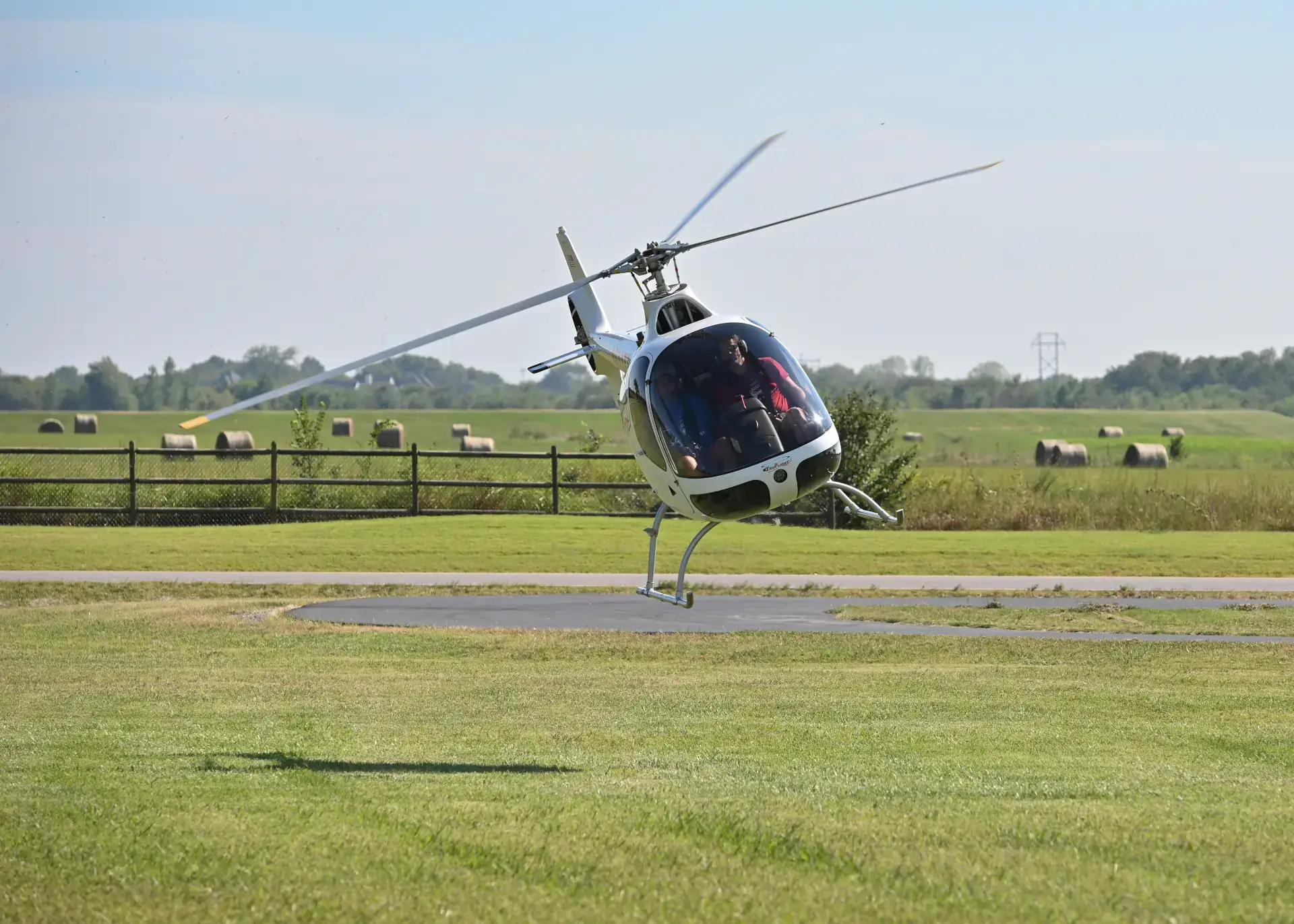
Training aircraft should help you build good habits. At TruFlight Academy, our private pilot students train in the Guimbal Cabri G2, a modern helicopter with features such as glass-panel avionics. For a new helicopter student, that environment helps make each lesson feel connected to the kind of cockpit discipline you will need as you advance.
The aircraft does not do the learning for you. You still have to build touch, judgment, and consistency. But a well-equipped training helicopter gives you a strong place to develop those skills from the beginning.
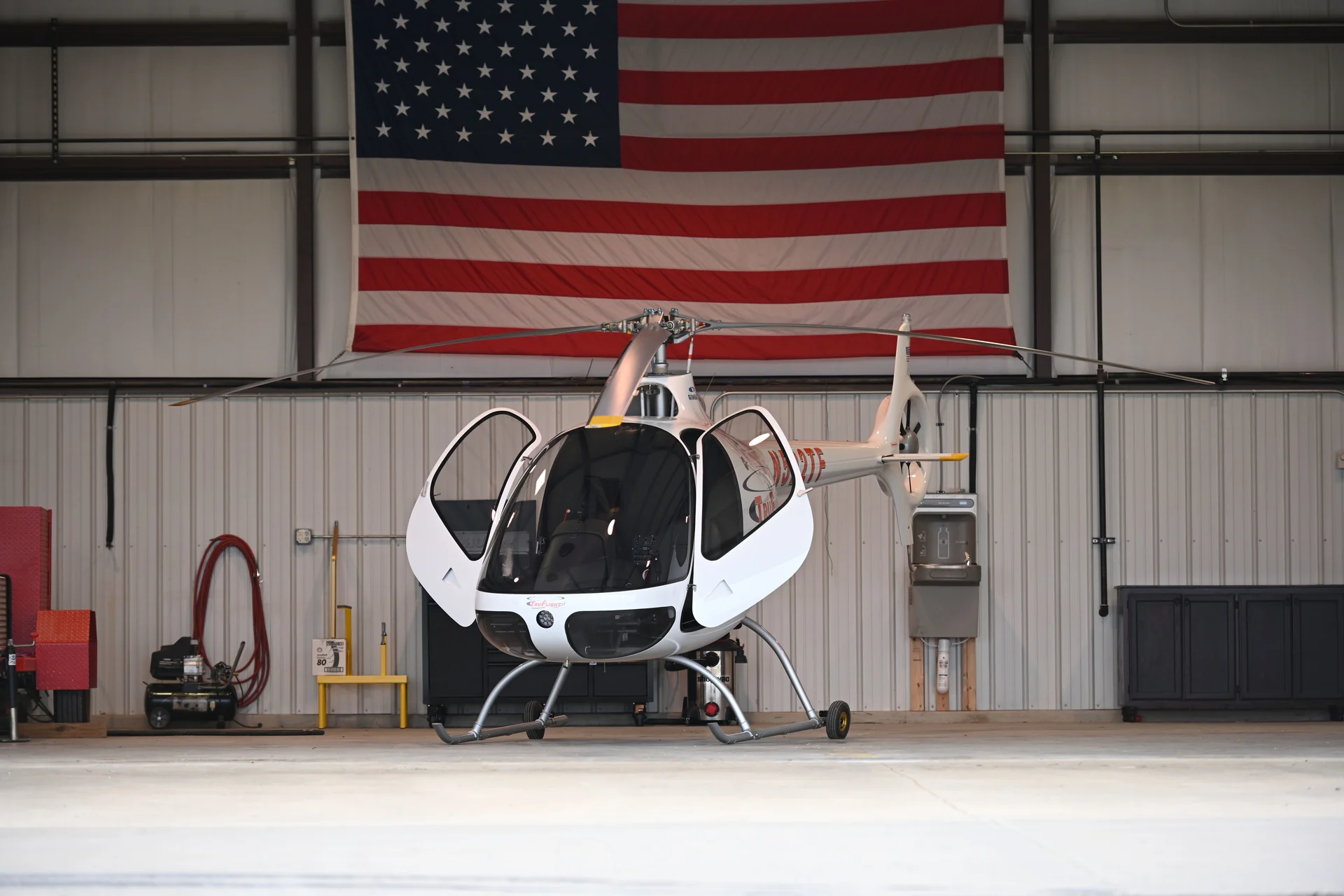
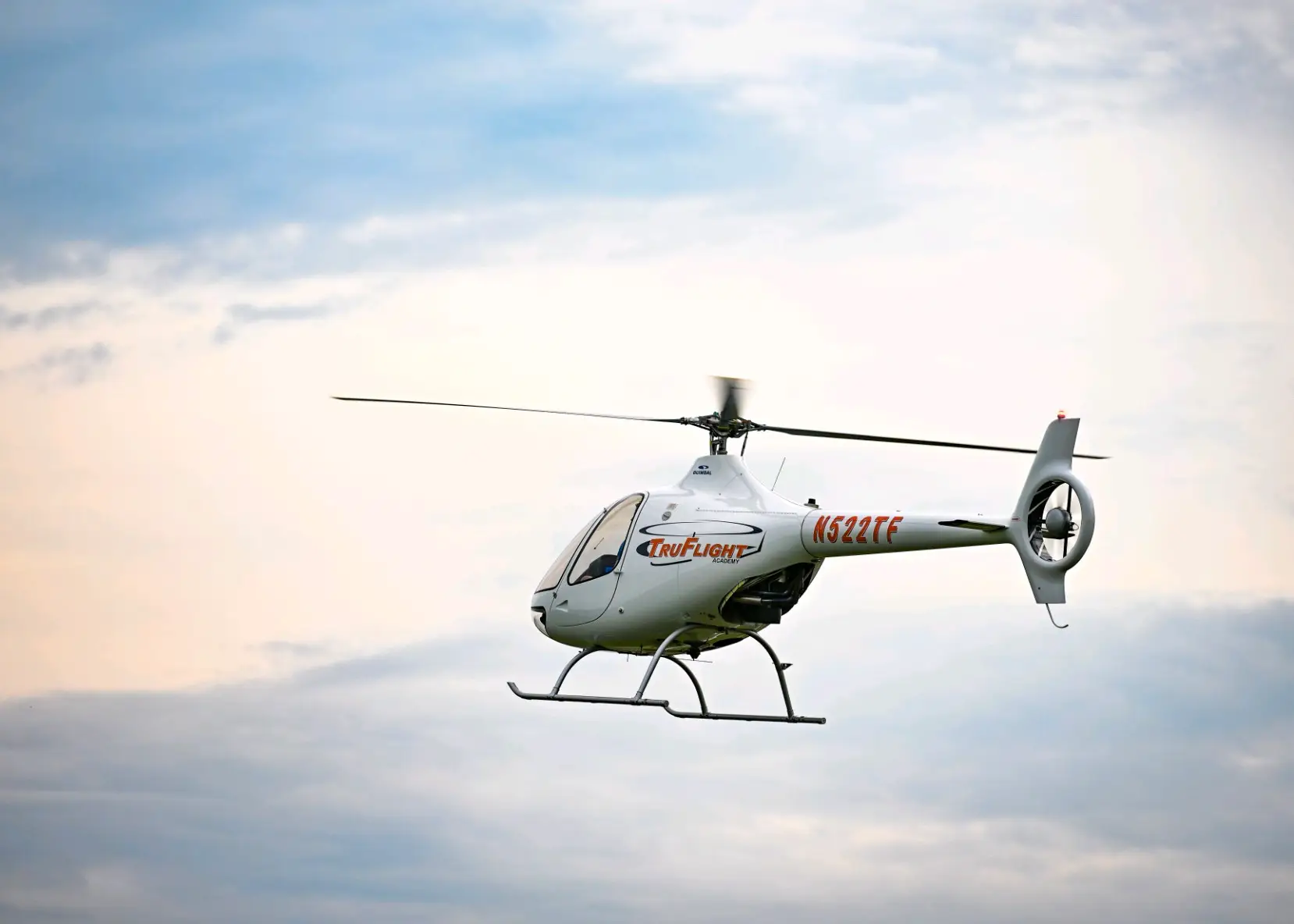
Modern avionics and proven design: the platform for building good habits from day one.
After the Flight
After your first solo, expect a debrief. Your instructor will talk through what went well, what needs more polish, and what comes next. That next step may include more solo practice, dual instruction, cross-country preparation, or continued work toward the FAA practical test.
This is where the milestone turns into momentum. The confidence from solo flight gives you the fuel for the next phase of training.
Ready to Work Toward Your First Solo?
If you can already picture that quiet cockpit moment, the next step is simple: start training with a team that treats solo flight as both exciting and serious.
At TruFlight Academy, we help students move from first lesson to solo readiness with structured private pilot training, hands-on instruction, and clear next steps. Contact us and talk with our team about the training path that fits your goals.