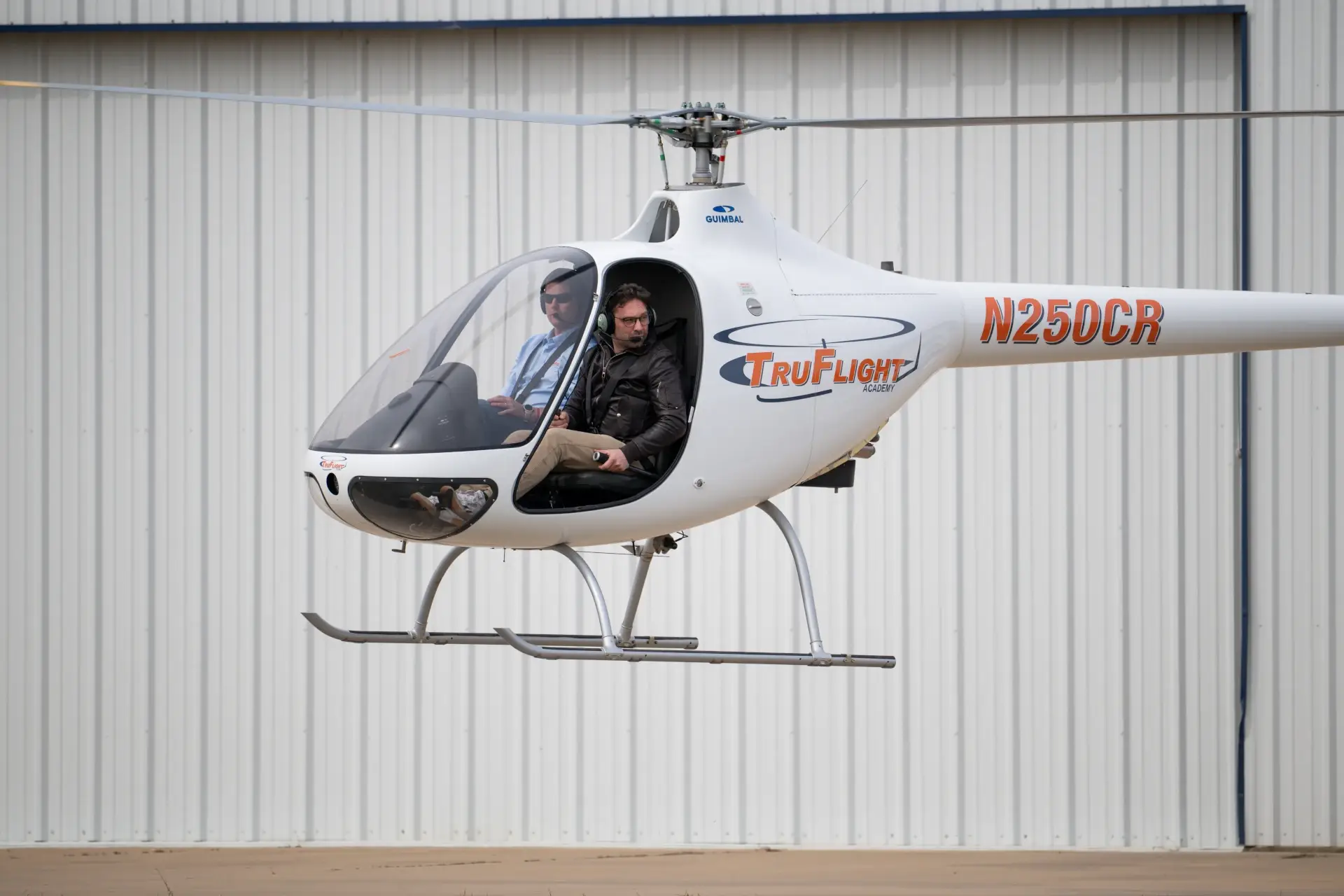
Helicopter Training Timeline: What Affects How Long It Takes
Learn what controls your helicopter training timeline, from lesson frequency and weather to proficiency, checkrides, and financial planning.
The honest answer to how long helicopter training takes is not one universal number. Your calendar depends on the certificate or rating you are pursuing, how often you fly, how prepared you are between lessons, weather and aircraft access, and when you are truly ready for each milestone.
FAA minimum experience requirements are eligibility minimums, not promised completion dates. At TruFlight Academy, we build the timeline around your starting point, schedule, proficiency, and goals. A focused student with a repeatable schedule may move steadily; a student fitting lessons around work, family, or changing weather should plan for more calendar flexibility.
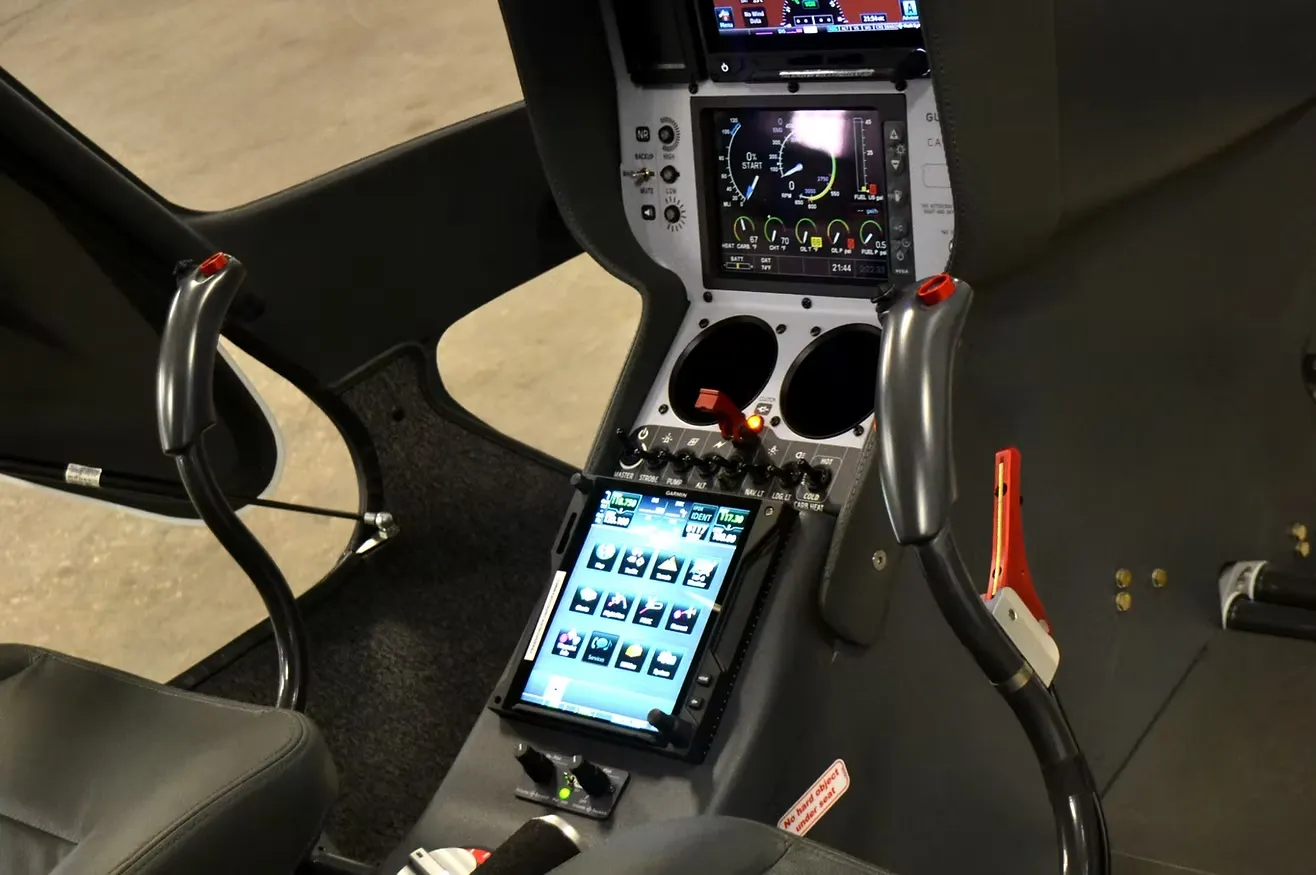
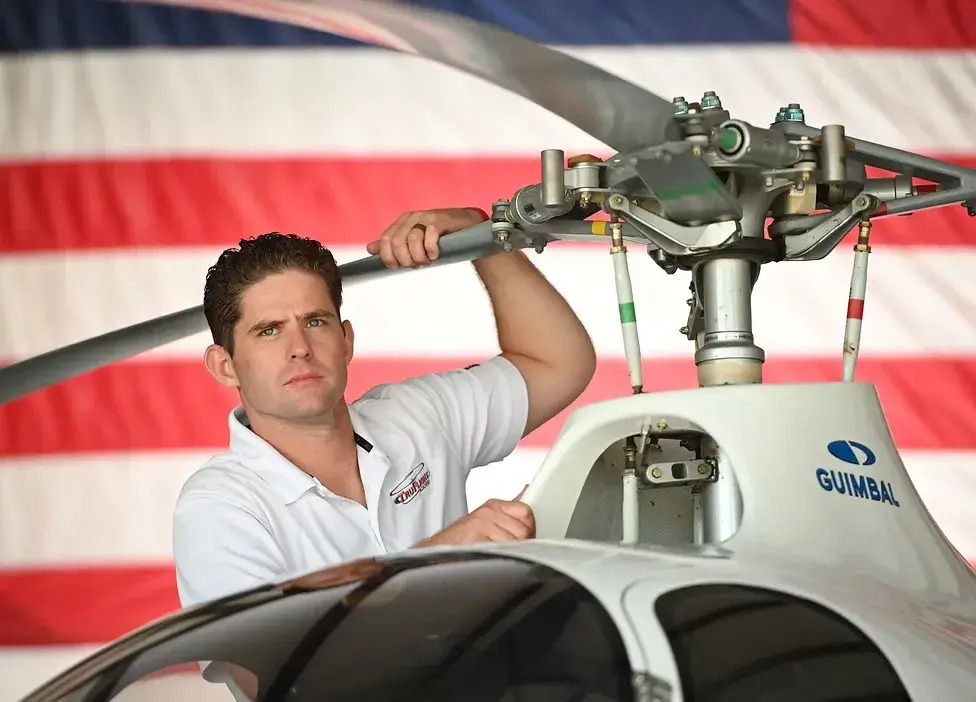
A prepared lesson begins before the rotor starts turning.
Your certificate sets the route
The first variable is what you are training to earn. A new student beginning a private pilot helicopter certificate has a different starting point from a certificated pilot adding an instrument rating or building toward commercial privileges.
| Training goal | Where the path begins | What usually drives the calendar |
|---|---|---|
| Private Pilot | New or low-time student | Aircraft control, solo readiness, ground knowledge, cross-country work, and practical-test preparation |
| Instrument Pilot | Private pilot with applicable experience | Instrument proficiency, procedures, ground study, and meeting the rating’s experience requirements |
| Commercial Pilot | Private pilot building professional-level skill | Total experience, precision, required training areas, and commercial practical-test readiness |
| Certified Flight Instructor | Commercial helicopter pilot | Teaching ability, technical knowledge, demonstration quality, and instructor practical-test preparation |
The table above is a general overview of the path. Your previous flight time, recency, study habits, and proficiency determine how much work sits between the starting point and the practical test.
Training frequency is the biggest lever you can control
Helicopter skills are perishable, especially early in training. Hover control, scan habits, radio flow, and cockpit procedures become more repeatable through consistent practice. Long gaps can turn part of the next lesson into a review of skills that were beginning to settle.
That does not mean every student needs to train full time, but your schedule should be realistic and repeatable. Three lessons on one unusually free week followed by a month away may create less momentum than a cadence you can maintain.
Before enrolling, compare your actual calendar with the demands of your training. Include drive time, study time, work obligations, and room to reschedule. A training plan only works when it fits your real life.
Preparation keeps aircraft time focused on flying
The meter is not the best place to meet a concept for the first time. Ground preparation turns flight time into application time. When you review the lesson objective, chair-fly a procedure, and arrive with questions, your instructor can spend more of the session refining decisions and aircraft control.
Useful between-lesson habits include:
- Reviewing notes while the flight is still fresh.
- Chair-flying checklists and cockpit flows.
- Studying weather, airspace, navigation, and aircraft systems.
- Writing down the point where a maneuver becomes inconsistent.
- Preparing for the knowledge test alongside flight training.
Our training pricing separates flight and ground instruction because both belong in the plan. A lower weekly flight frequency paired with disciplined study can be more productive than simply booking aircraft time without preparation.
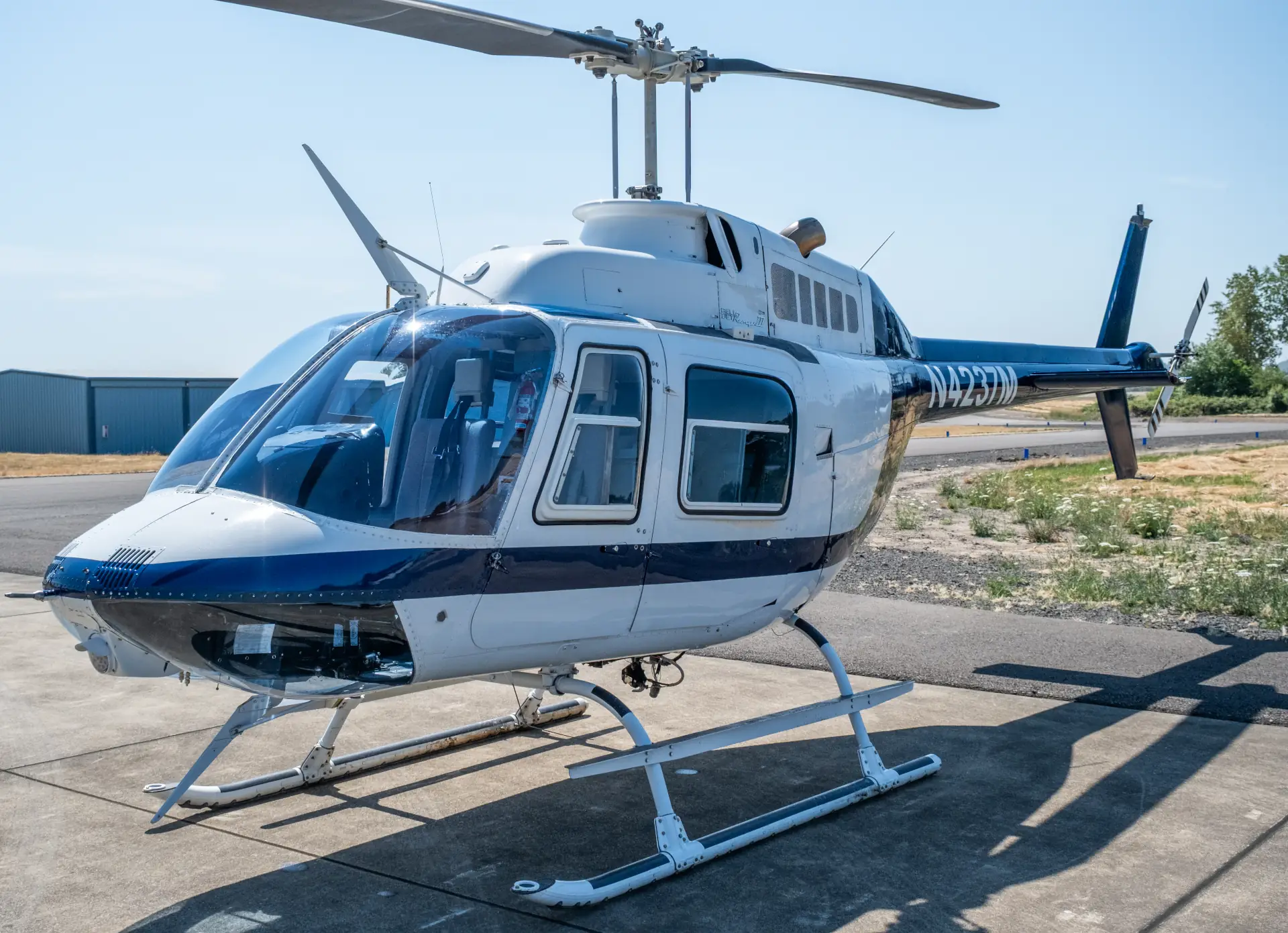
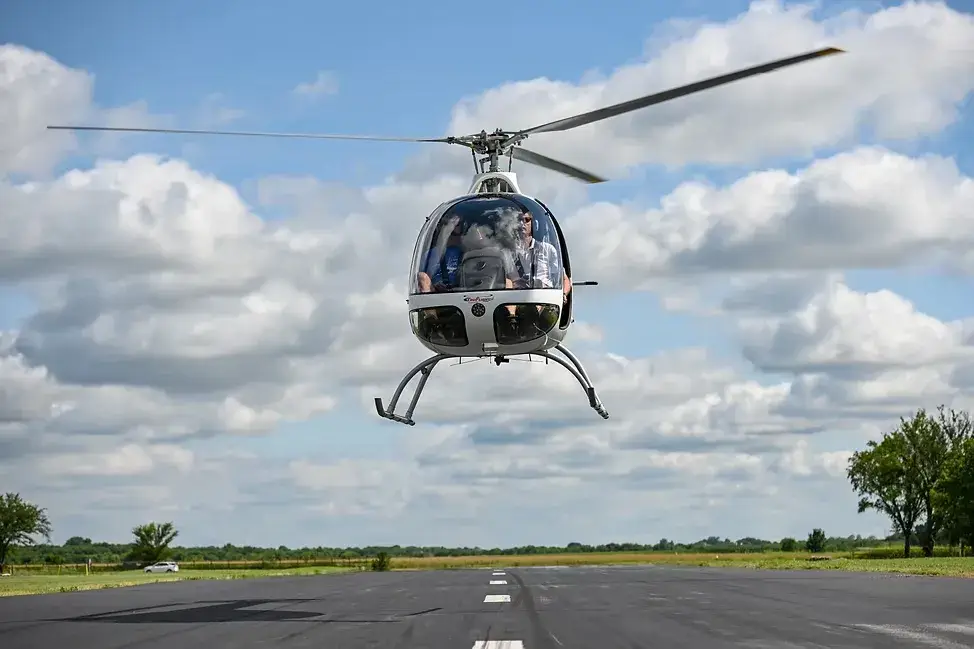
Consistent access to a familiar training aircraft helps students build repeatable cockpit habits.
Weather and availability need breathing room
Even a well-built schedule meets factors no student controls completely. Weather, maintenance, aircraft availability, and instructor scheduling can move a lesson. With that in mind, it is preferable that the schedule has enough flexibility that one cancellation does not dismantle the month.
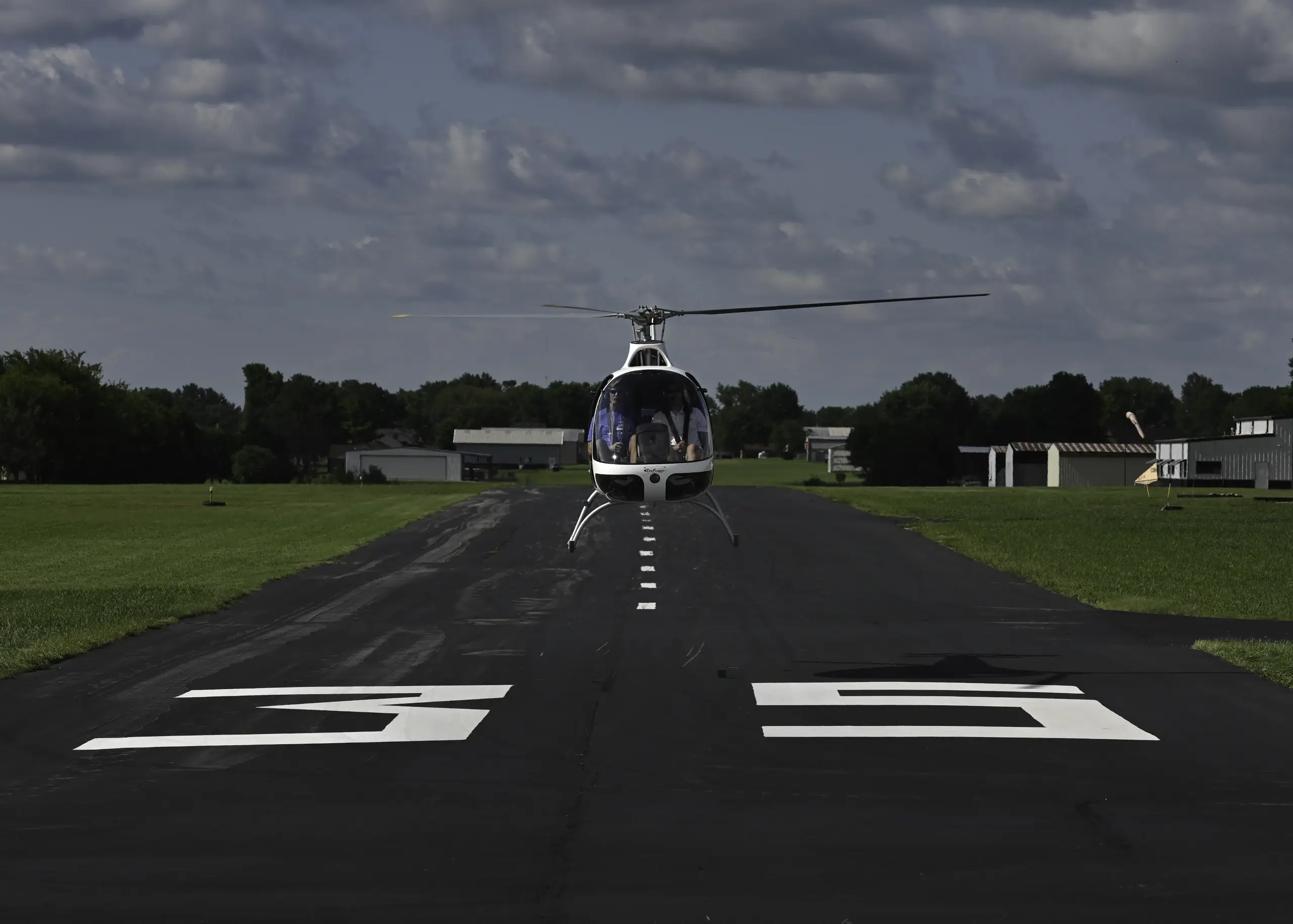
At TruFlight, students train in our Cabri G2 fleet. Current aircraft and instructor availability still matters when we shape an intensive or part-time plan. We recommend keeping alternate lesson windows open when possible and using non-flying days for ground work, test preparation, or a focused debrief.
A canceled flight does not have to become a lost training day. The students who protect momentum are often the ones who already know what productive work they can do when the weather changes.
Milestones happen when your skills are repeatable
Training includes visible milestones, but the date follows readiness. Your first solo, for example, comes after your instructor sees consistent aircraft control, procedural discipline, traffic awareness, weather judgment, and calm decision-making.
The same principle continues through cross-country work and practical-test preparation. One excellent maneuver is encouraging. Checkride readiness requires you to perform to the applicable standard with consistency and sound judgment.
Our guide to what happens before your first helicopter solo shows why a milestone can feel sudden on the calendar even though it rests on many smaller lessons. Instead of trying to reach solo or a checkride on the earliest imaginable date, focus on arriving prepared for what comes next.
The checkride belongs in the plan before the last lesson
A checkride is the FAA practical test for a certificate or rating. Before it can happen, you must meet the applicable eligibility and experience requirements, complete the required training and testing, receive your instructor’s endorsement, and have an appropriate aircraft and examiner available.
That makes practical-test planning part of the timeline. TruFlight’s examiner relationships, including an on-staff Designated Pilot Examiner and partner examiner relationships, help us plan this stage. They do not replace readiness, and a test date still depends on current examiner authority and availability.
Learn more about our checkride and DPE support, then talk with your instructor early about what must be complete before scheduling becomes productive.
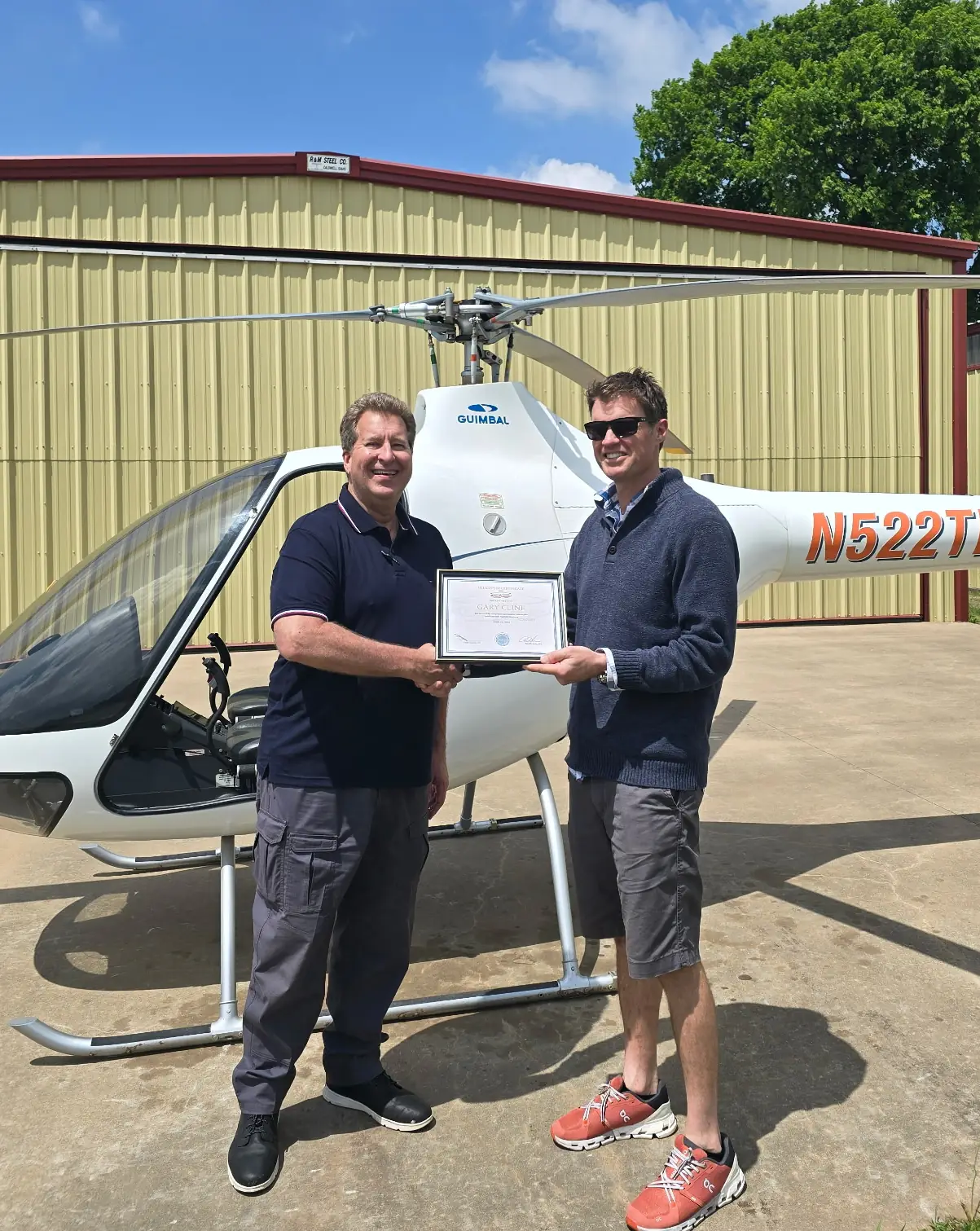
The final date matters, but readiness is built one disciplined lesson at a time.
Your budget can set the pace as much as your calendar
Training continuity is easier when the financial plan matches the lesson plan. Pausing unexpectedly can add calendar time and may require review flights when training resumes. Before you commit to a pace, account for aircraft, instruction, ground school, testing, examiner fees, supplies, and possible additional proficiency work.
Our pricing options include hourly and block structures that can support different training cadences. Payment or financing options may depend on current terms and applicant circumstances, so contact our team before building your timeline around them.
Ask “What training frequency can I sustain long enough to reach the next milestone without repeated stops?”
Build a timeline that can survive real life
A useful helicopter training calendar has three layers:
- The route
The certificate or rating, prerequisites, and required milestones. - The rhythm
The number of lessons and study blocks you can consistently protect. - The buffer
Room for weather, maintenance, scheduling changes, and extra proficiency work.
Start by choosing the right helicopter training program, then work backward from your available weekly schedule. Be honest about travel, work, family, study time, and finances. An ambitious plan is helpful only when it is durable.
Frequently asked timeline questions
Can I finish helicopter training at the FAA minimum hours?
The minimum experience requirements establish eligibility, but proficiency determines readiness. Some students need additional training to perform consistently and meet the applicable practical-test standard. Review the first step in our private pilot program with an instructor before estimating your calendar.
Is full-time helicopter training always faster?
An intensive schedule can create momentum when the student, instructor, aircraft, finances, and weather all support it. More bookings do not automatically produce readiness. Our team can help you compare an intensive plan with a sustainable part-time cadence.
How many times per week should I train?
There is no single cadence that fits every student. Consistency matters more than an impressive first week. Choose a rhythm you can maintain and contact us to schedule a conversation.
What happens when weather cancels a lesson?
Use the time for ground instruction, chair-flying, knowledge-test study, or a lesson review when appropriate. Keeping a second scheduling window available can also protect momentum. Students traveling from the metroplex can review our Dallas-Fort Worth training information while planning commute time and flexibility.
Does previous airplane experience shorten helicopter training?
Previous pilot experience may satisfy or support some requirements, but helicopter-specific proficiency still matters. Fixed-wing pilots should compare the available helicopter add-on paths rather than assume they will follow the same timeline as a new student.
When should I plan for the checkride?
Discuss it early, but schedule around documented readiness and current examiner availability. Our DPE information explains how examiner access fits into TruFlight’s training flow.
Map your next training milestone with us
The best timeline is not the shortest claim on a page. It is the clearest plan you can execute consistently.
Contact TruFlight Academy with your current flight experience, weekly availability, and training goal. We will help you map the next milestone and the schedule needed to work toward it.