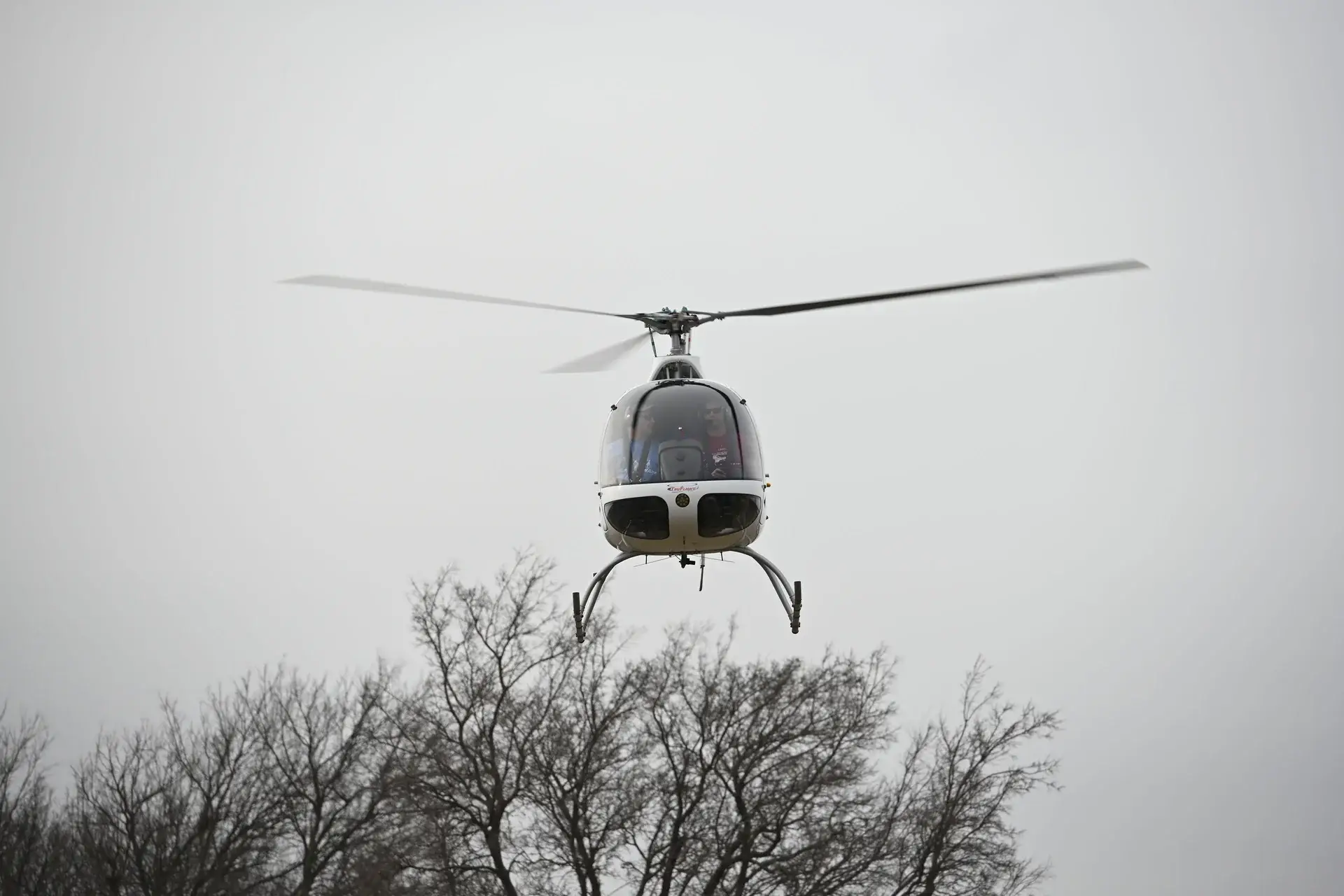
Helicopter Safety at TruFlight
A practical guide for future students and families comparing helicopter training, emergency procedures, aircraft design, and instructor experience.
Read Safety FAQsAre Helicopters Safe for Training?
Helicopter safety is one of the first questions many future students and families ask. The answer depends on the aircraft, the instructor, the maintenance program, the weather decisions, and the habits a student learns from the first lesson.
At TruFlight, safety is taught as a system. Students learn how helicopters work, how emergencies are managed, how preflight inspections reduce risk, and why the Guimbal Cabri G2 is such a strong platform for modern helicopter training safety.
Communication is part of that system. Even in Class G airspace, where pilots are not required to be on the radio, TruFlight treats it with the discipline of a towered airport so students build clear, confident radio habits from the beginning.
Safety Is Built Around Four Factors
- Aircraft design
- Instructor experience
- Emergency procedure training
- Maintenance discipline
Do Helicopters Just Fall Out of the Sky?
No. A common misconception is that a helicopter becomes uncontrollable if the engine stops. Helicopters are designed to autorotate, which means the rotor system can keep turning as air flows upward through the blades during descent.
Autorotation is a core emergency procedure in helicopter training. With a competent pilot, a helicopter can remain highly controllable in an emergency and can often land in a small, open area that would not work for an airplane.
Different Aircraft, Different Options
Airplanes and helicopters manage risk differently. Airplanes usually need runway-like landing space. Helicopters can operate from smaller areas and, in an emergency, may be able to use fields or other clear, unprepared landing zones.
That flexibility is one reason helicopter training spends so much time on judgment, site selection, and emergency procedures. Safety is not just about the aircraft. It is about the pilot's training and decisions.
Procedures Every Helicopter Student Learns
Helicopter emergency training is progressive. Students learn the aircraft, the checklist, the sight picture, and the judgment needed to choose a safe landing area. As skills grow, instructors introduce more advanced autorotation profiles and scenario-based decision-making.
- Straight-in autorotations
- Pedal-turn autorotations
- 180-degree autorotations
- 360-degree autorotations
- Forced landing site selection
- Preflight, checklist, and weather decision-making
Why TruFlight Trains in the Guimbal Cabri G2
The Guimbal Cabri G2 was designed as a modern training helicopter with safety, stability, and survivability in mind. It gives new students a training environment built around modern materials, cockpit awareness, and crashworthiness features.
If you are comparing the safest training helicopter options for students, the Cabri G2 deserves serious attention because its safety features are part of the aircraft's design, not an afterthought.
Explore the Cabri G2 FleetCrash-resistant fuel bladder/cell designed to reduce post-impact fuel risk
Carbon fiber body built for strength and modern crashworthiness
Stroking seats that help absorb energy in a hard landing
Training-focused design that can tolerate hard-landing events
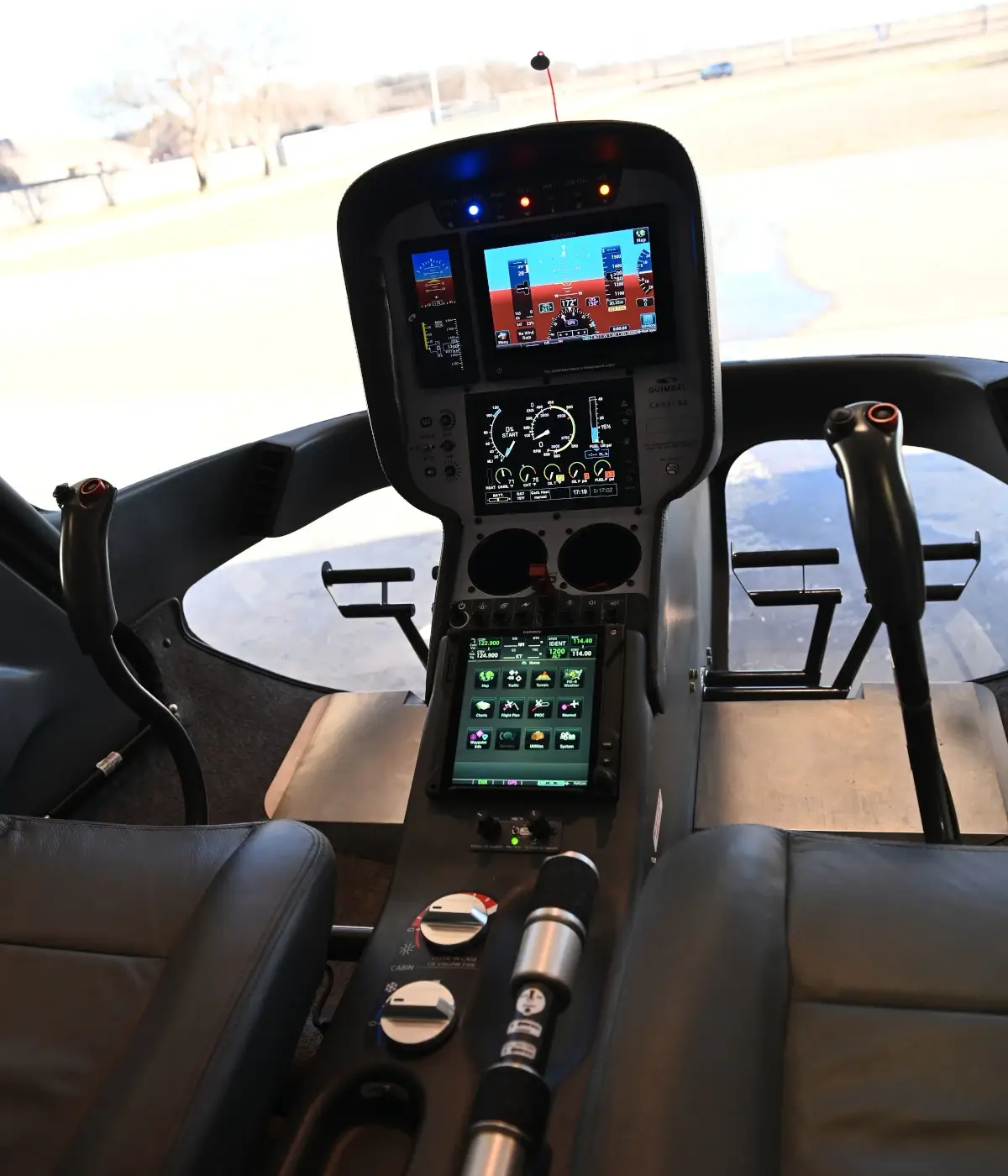
Glass cockpit and system monitoring that support situational awareness
Stable handling characteristics for student training and emergency practice
In-House Support for the Aircraft We Fly
TruFlight has a Guimbal factory-trained mechanic, is actively looking for additional mechanics, and can handle Cabri G2 maintenance and warranty work in-house. Having local maintenance support is essential for keeping the aircraft in excellent condition while also streamlining inspections and maintenance access.
In addition, keeping Cabri expertise close to the training operation helps the team spot issues, manage downtime, and keep maintenance conversations connected to the aircraft students use every day.
Safety Starts With the Person Teaching You
We hire high-hour CFIs with extensive helicopter experience who help students build safe habits early: checklist use, aircraft control, weather judgment, radio communication, and the ability to stay composed when a lesson gets demanding.
Todd Guison, our chief instructor, is a high-hour CFII and former combat aviator. His background brings military cockpit discipline, emergency-procedure experience, and a calm training approach into the student environment.
Safety Resources
Helicopter Safety FAQs
Answers to common questions from students and families, from emergency procedures and first-time flyers common questions to helicopter maintenance and instructor experience.
Why the Cabri G2 Is a Safety-Focused Training Helicopter
See why TruFlight trains in the Cabri G2, including safety features, cockpit awareness, student training benefits, and in-house maintenance.
Aviation Safety Standards for Helicopter Training: What Pilots Should Know in 2026
Learn how helicopter training safety works, from autorotations and checklist habits to Cabri G2 aircraft design and maintenance discipline.
Want to See the Safety Culture in Person?
A discovery flight lets you meet the team, see the Cabri G2 up close, and ask safety questions before committing to a full training program.