Start with no flight experience and follow a clear, instructor-guided path through Private, Instrument, Commercial, and CFI training at TruFlight Academy.
Build the certificates, judgment, and experience a helicopter career demands
No previous flight experience is needed to begin Private Pilot training. From that first certificate,
professional helicopter pilot training follows a structured progression of certificates and ratings, each
earned by meeting its own knowledge, experience, proficiency, and eligibility requirements.
We provide FAA Part 61 training, allowing your schedule to be shaped around proficiency, availability,
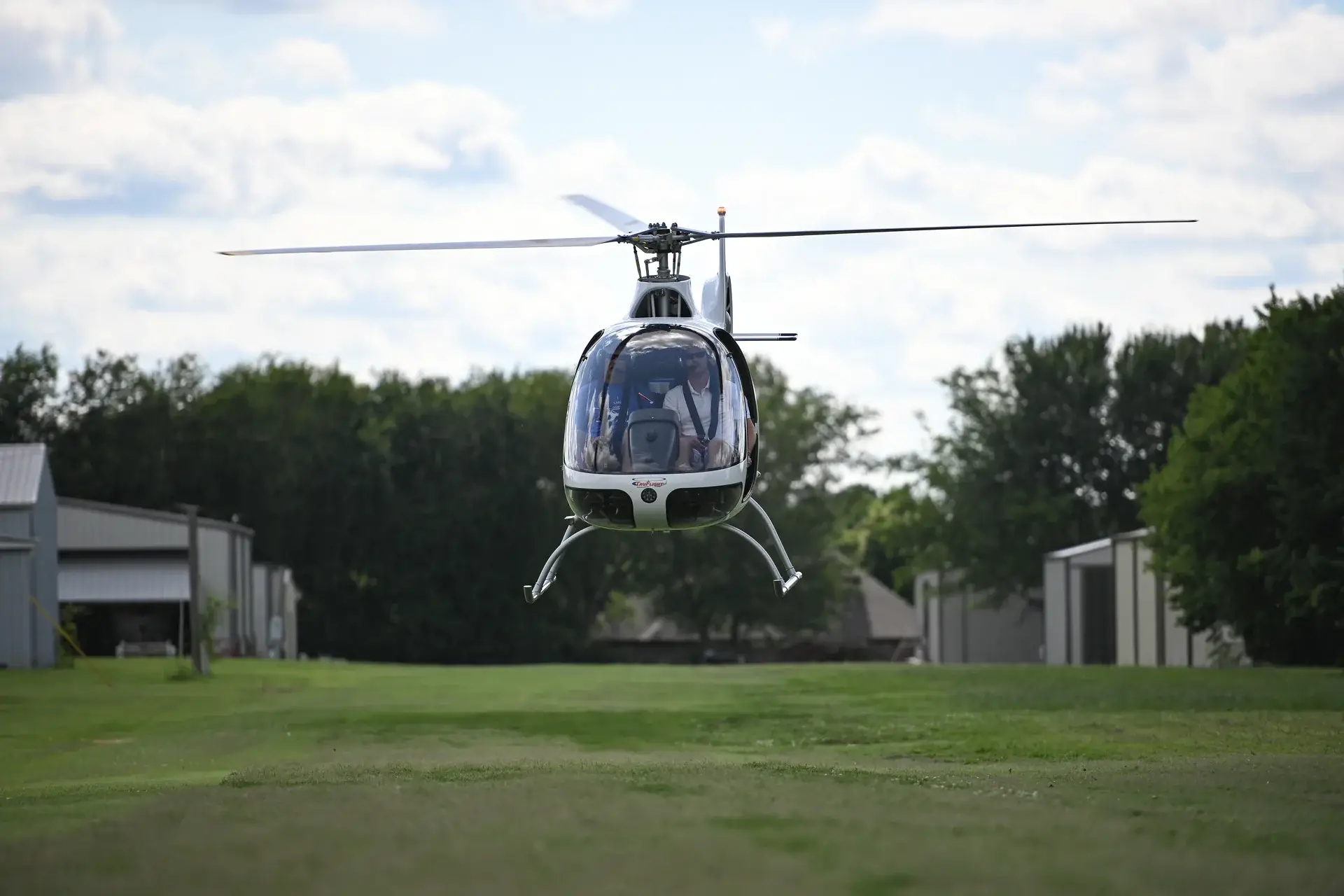
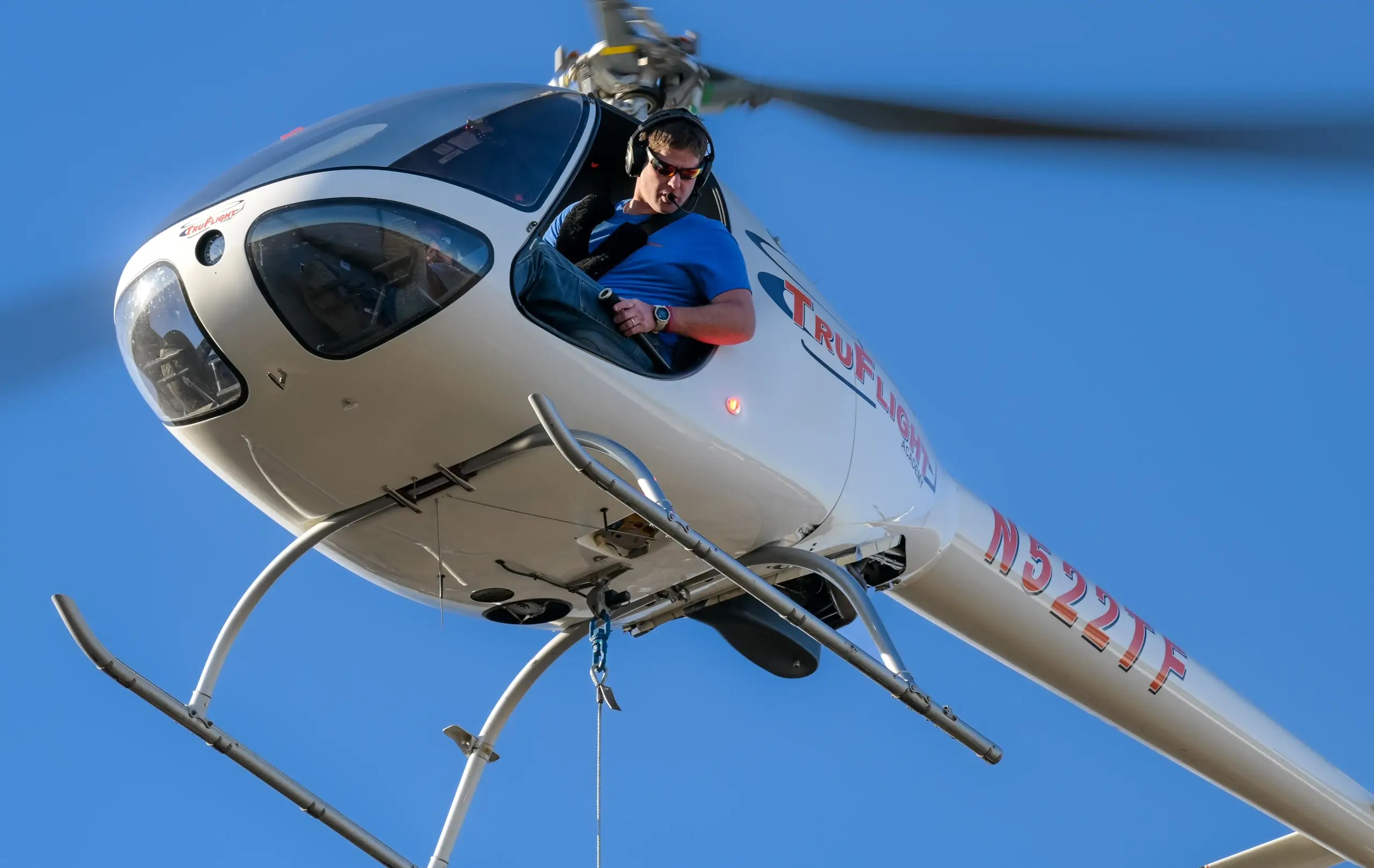
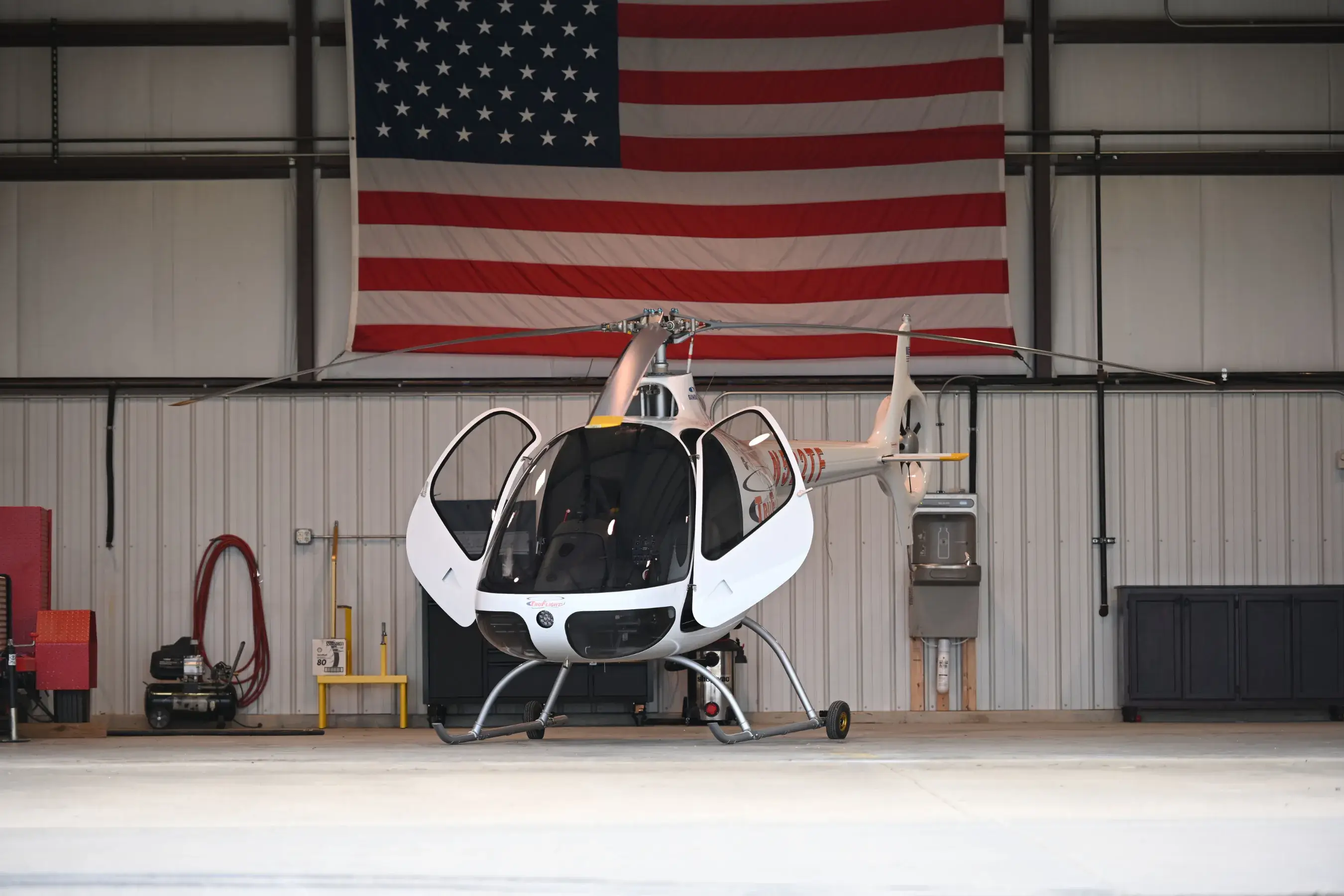
and career plans. Students train in the Guimbal Cabri G2 at Finney Field Airport in Howe, Texas, combining a
focused training environment with access to the varied conditions and airspace of North Texas.
Flight time, calendar time, and cost vary from student to student. Lesson frequency, prior experience,
weather, checkride scheduling, and individual learning all shape the experience. Admissions will review your
starting point and objectives, explain current pricing and availability, and help build an individualized
helicopter pilot training program with cost and duration estimates tailored to you.
Your Path From Beginner to Certified Flight Instructor
Every stage has a distinct purpose. Demonstrated proficiency and applicable FAA requirements determine your
progress through each stage. Your instructor helps connect today's lesson to the skills you will need at the
next milestone.
Step 1
Private Pilot
Begin with aircraft control, aviation knowledge, airport operations, sound decision-making, and preparation for supervised solo flight. This foundational certificate turns a first-time student into a certificated pilot and creates the experience needed to begin instrument training.
Next milestone: add instrument procedures and greater cockpit precision.
Develop instrument procedures, navigation, scan discipline, cockpit organization, and decision-making for reduced-visibility operations. The rating strengthens the precision expected of a professional pilot and supports the next move toward commercial-level proficiency.
Next milestone: refine your flying to commercial standards.
Train for consistent, accurate aircraft control and the knowledge expected of a commercial pilot. The certificate establishes eligibility to fly for compensation when applicable regulations and operator requirements are met; employment remains a separate outcome.
Next milestone: learn to teach those skills from the instructor seat.
Build teaching knowledge, lesson-planning ability, instructional judgment, and the proficiency to demonstrate maneuvers while explaining them clearly. CFI is a common path for gaining experience. Certification and employment remain separate outcomes.
Career-building milestone: continue developing experience and professional judgment.
These courses form a logical progression of separate training milestones. Admissions can map them around
your availability and objectives, with an individual estimate for each phase.
Your starting point determines which parts of the beginner-to-CFI sequence apply. Existing certificates may
change your route, while mission-specific skills follow the core qualifications in the CFI progression.
Rotorcraft Add-On Training
For Fixed-Wing Pilots
Already hold an airplane certificate? We offer helicopter add-on routes for Private, Instrument,
Commercial, and CFI privileges. Your existing experience can change the training and testing required,
so the right starting point depends on the certificates and ratings you already hold. Turbine Transition
is a separate advanced option for pilots seeking experience in turbine-powered helicopters.
External Load training develops the precision, coordination, planning, and load-management skills required for utility operations. This optional specialty falls outside the Commercial Pilot-to-CFI sequence and requires participants to hold a commercial pilot certificate. Speak with our team about current course availability and whether this training aligns with your career goals.
A useful plan starts with honest inputs: how often you can train, how you will fund each phase, whether your
career objective calls for an FAA medical certificate, and what prior experience or certificates you bring.
Consistent training can support retention, but the right frequency is the one you can sustain.
Together, these considerations form the foundation of a practical training plan:
Current pricing and financing
Eligibility and medical planning
Sustainable lesson frequency
Career-aligned milestones
Our admissions team can help you identify the first applicable course, review pricing and financing
information, and discuss scheduling based on your expected hours and intended outcomes. If you are still
deciding whether helicopter flight is right for you, a discovery flight offers a practical, lower-commitment
first look from the controls.
Yes. No previous flight experience is required to begin Private Pilot training. We start with fundamentals and build your skills through ground and flight instruction.
The usual progression is Private Pilot, Instrument Rating, Commercial Pilot, then Certified Flight Instructor. Each is a separate certificate or rating with its own training and eligibility requirements.
Completion time varies. Your pace depends on proficiency, lesson frequency, weather, aircraft and instructor availability, checkride scheduling, and your personal objectives. Admissions can help you build a realistic schedule.
Total cost varies with the hours and instruction you need at each milestone. Review current pricing and speak with admissions for an individualized estimate based on your training needs.
Requirements vary by certificate and career objective. Contact admissions before beginning so the team can discuss identification, English proficiency, age, student pilot, medical, and other current FAA considerations that apply to your plan.
A Commercial Pilot certificate establishes eligibility to fly for compensation when applicable regulations and operator requirements are met. A CFI certificate adds the authority and responsibility to provide flight instruction.
Often, yes. Pilots who already hold an airplane certificate may qualify for a shorter rotorcraft-helicopter add-on route. Admissions can review your certificates and experience.
No. External Load is optional specialized training for commercial helicopter pilots and is not a required step toward CFI.
No. Certification does not guarantee employment. Hiring depends on an employer's needs and standards, as well as your experience, proficiency, professionalism, and other qualifications.