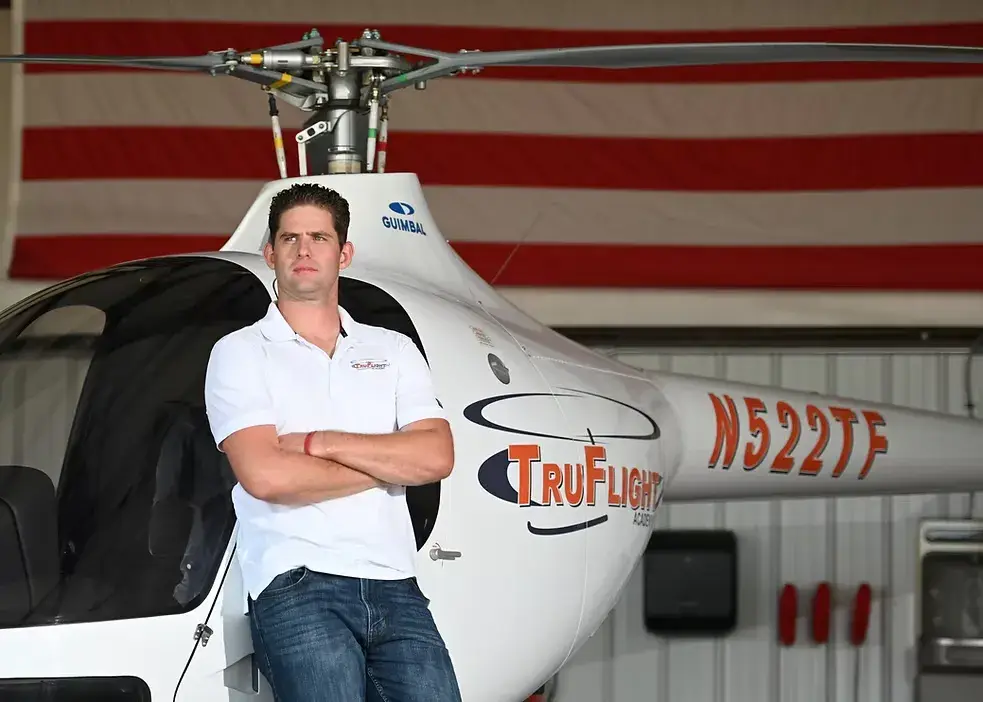
Meet Todd: Combat Aviator and TruFlight's Chief Instructor
Meet Todd Guison, TruFlight Academy's chief instructor, and learn how his Army aviation background shapes helicopter training safety.
The Instructor in the Other Seat Matters
When people talk about helicopter safety, they often start with the aircraft, but the person sitting next to a student is just as important.
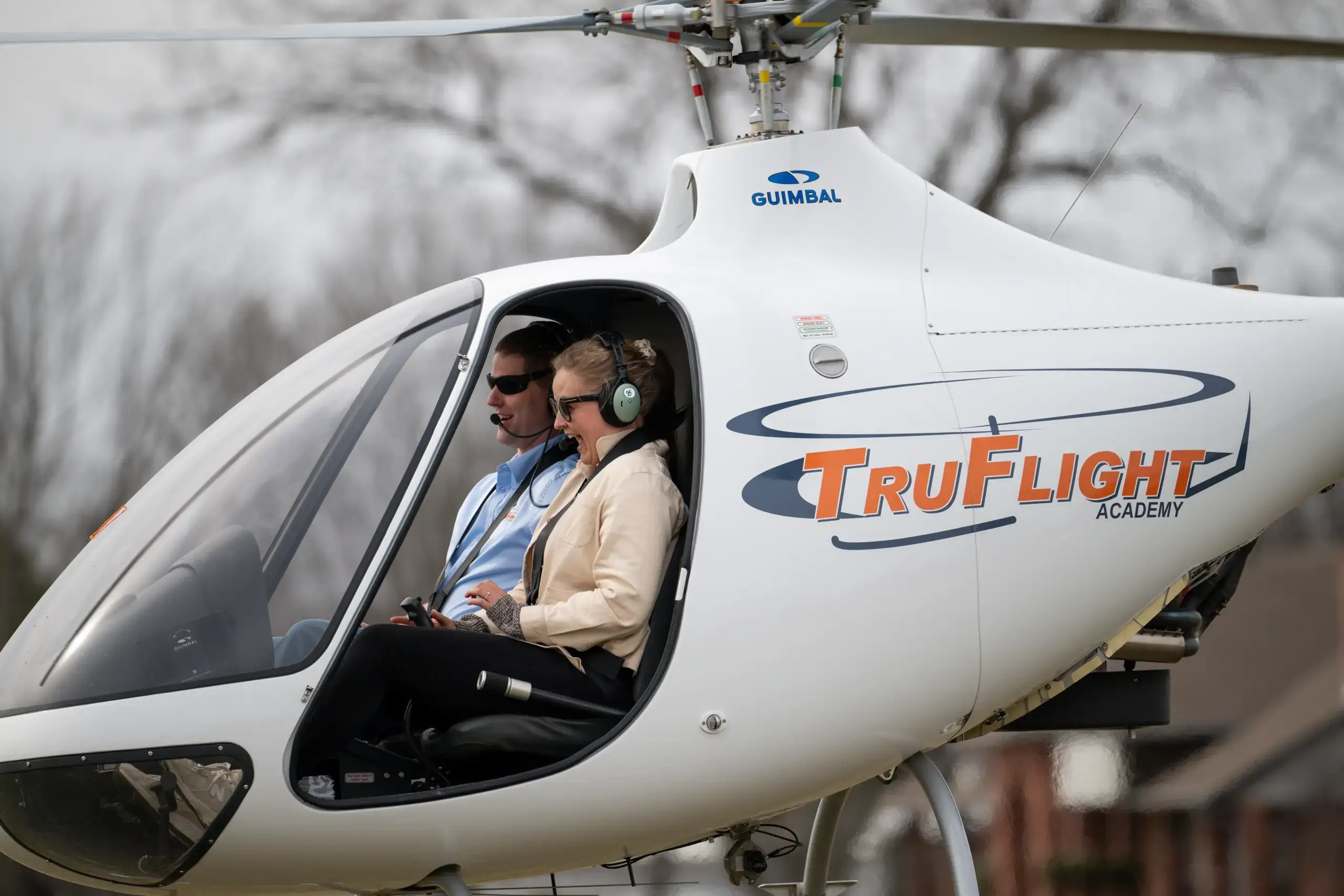
At TruFlight Academy, Todd Guison is our chief instructor and one of the clearest examples of the training culture we want students to experience: calm, practical, disciplined, and genuinely excited to help people learn to fly.
Todd’s background includes Army aviation, instructor experience, a CFII certificate, S70 type rating, Part 133 external-load experience, HAMETS training, and an Army Safe Flying Award. For students, those details shape how safety is taught in the cockpit.
That standard extends beyond one person. TruFlight hires high-hour CFIs with extensive helicopter experience, so students learn from pilots who can connect the lesson plan to the decisions professional pilots make outside the training pattern.
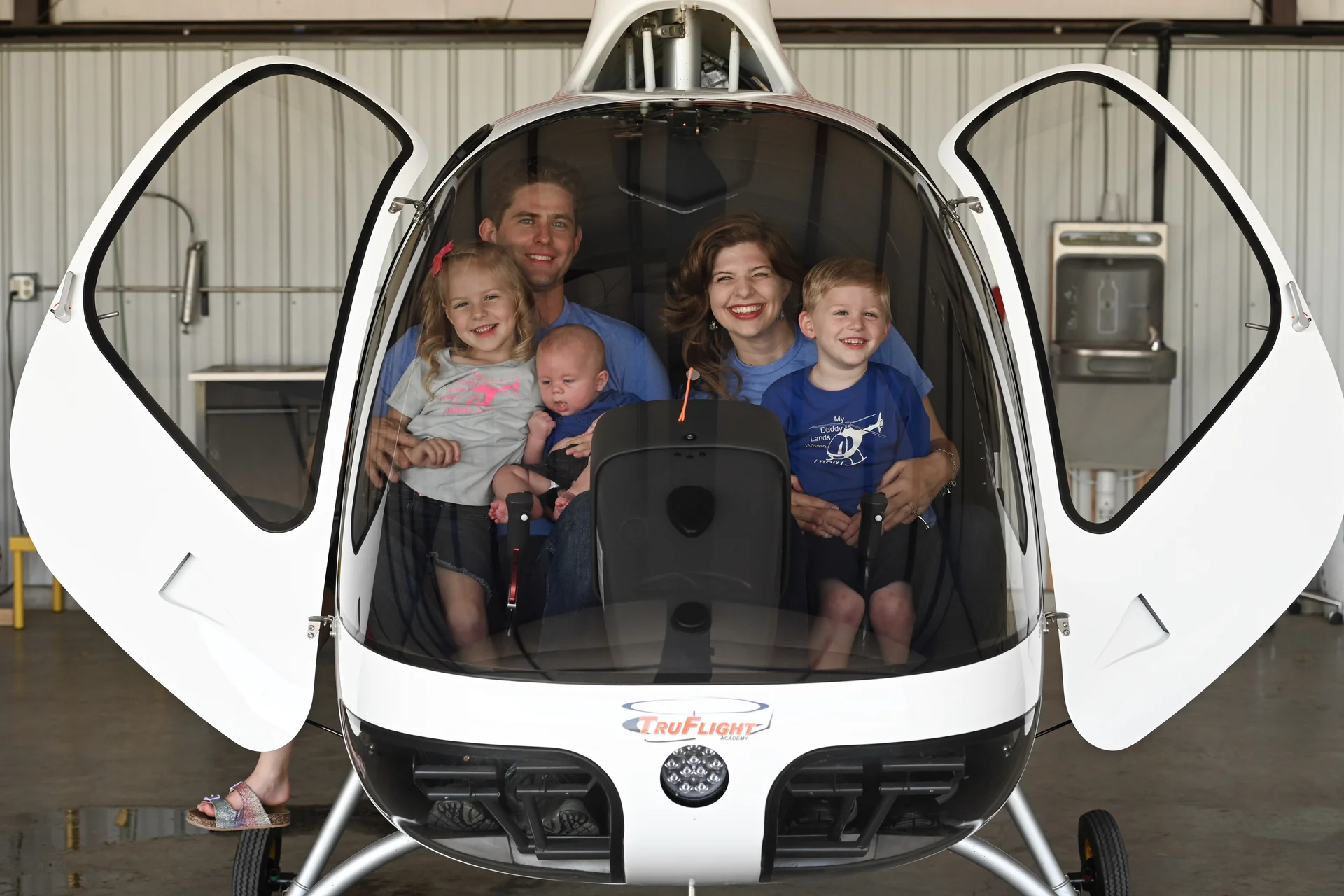
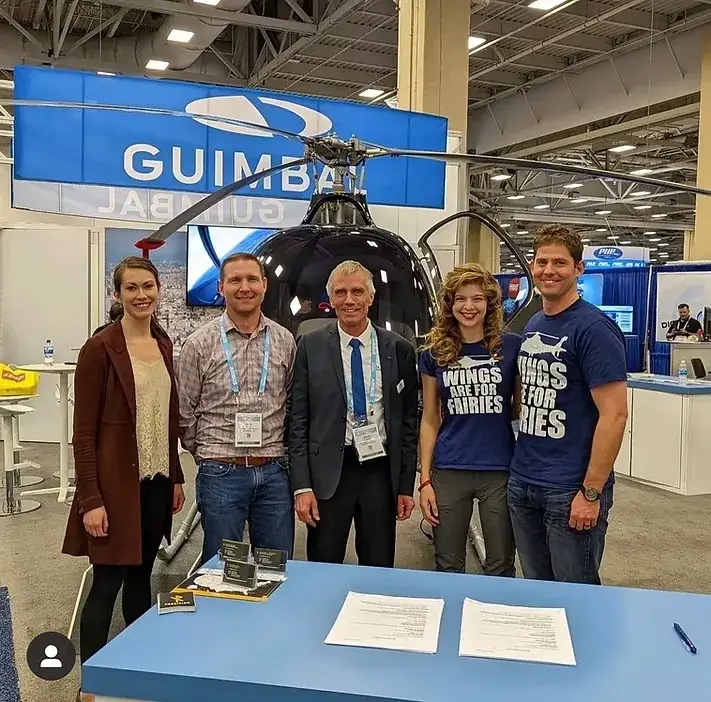
Todd's aviation background is part of the family-driven training culture at TruFlight Academy.
Why Instructor Experience Changes Safety Training
A new helicopter student has a lot happening at once: pedals, cyclic, collective, radios, sight picture, airspeed, rotor rpm, and the simple fact that hovering feels unlike anything else.
A good instructor helps turn that rush of inputs into usable habits, making sure everything is clearly understood.
Experienced helicopter instructors help students build:
- Checklist discipline before and after flight
- Cockpit calm when the lesson gets busy
- Emergency procedure awareness before advanced practice begins
- Clear radio communication even when operating where radio calls are not required
- Weather and readiness judgment before committing to a flight
- Aircraft control standards that carry into every rating
All of that to say that instructor experience is a major part of safety conversation. If you are looking to start flight training, do not only ask what aircraft you will fly, ask who will teach you how to think in it.
Todd’s Aviation Background
Todd’s aviation story starts early, but his professional background is especially relevant to helicopter students. With extensive experience as a Certified Rotor Flight Instructor beginning as early as 2010, followed by service as an active-duty Army aviation officer, our chief instructor gives you the peace of mind of training under an aviation veteran.
Aircraft flown
- Schweizer (300C)
- Blackhawk (UH60A&M)
- Lakota (LUH72)
- Kiowa (OH58)
- Robinson R44
- JetRanger (B206)
- Rotorway
- Airplanes
- Gyrocopter
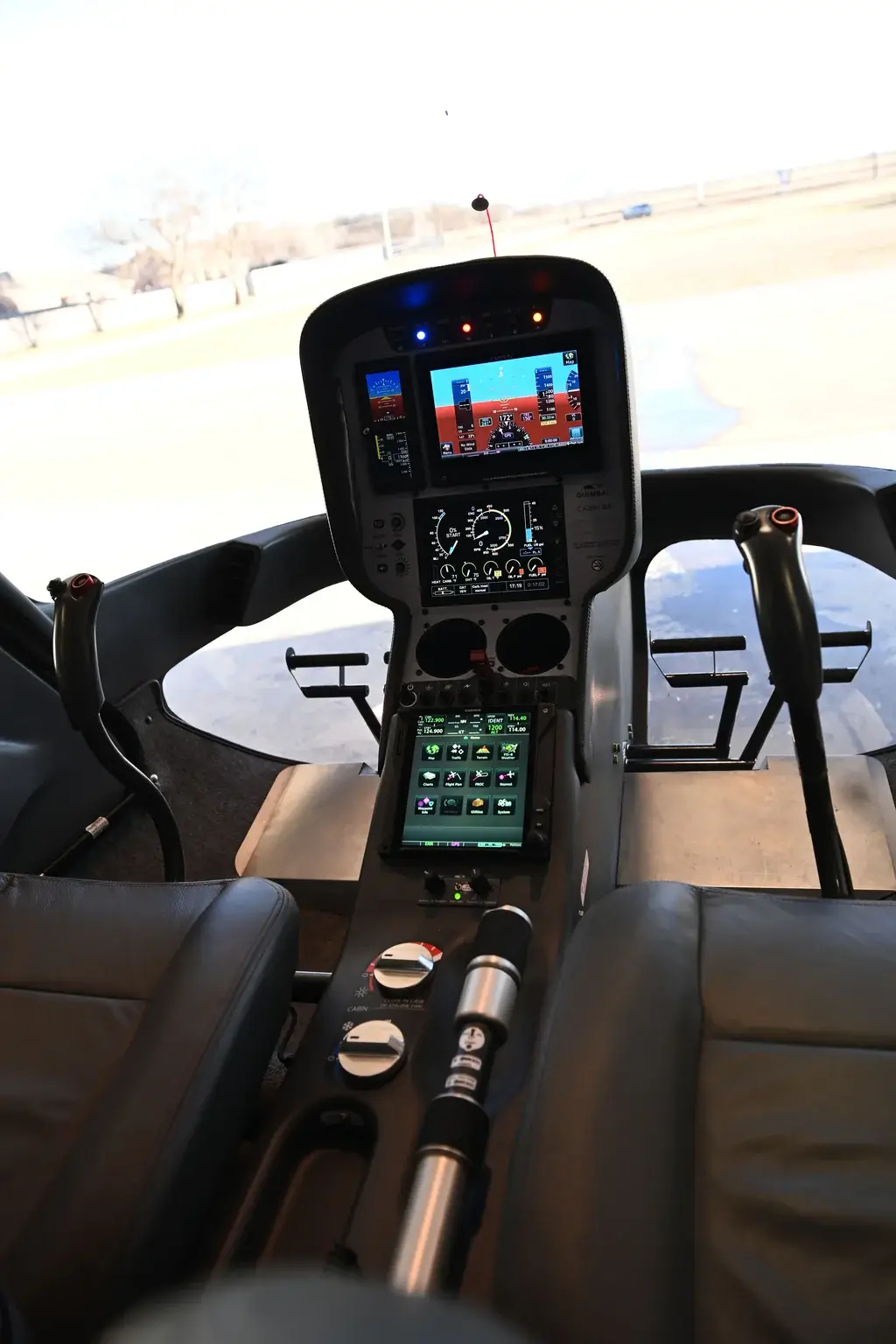
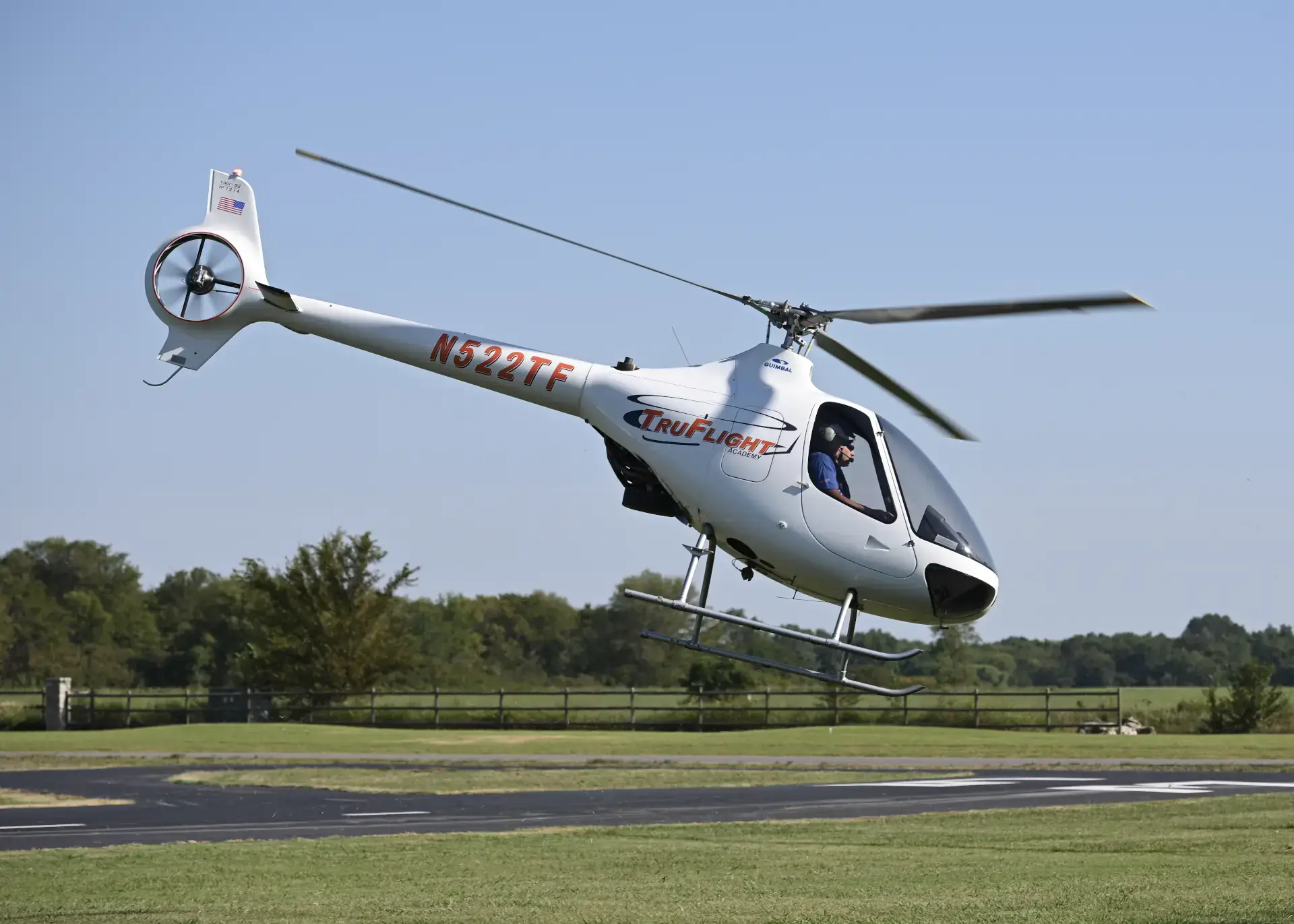
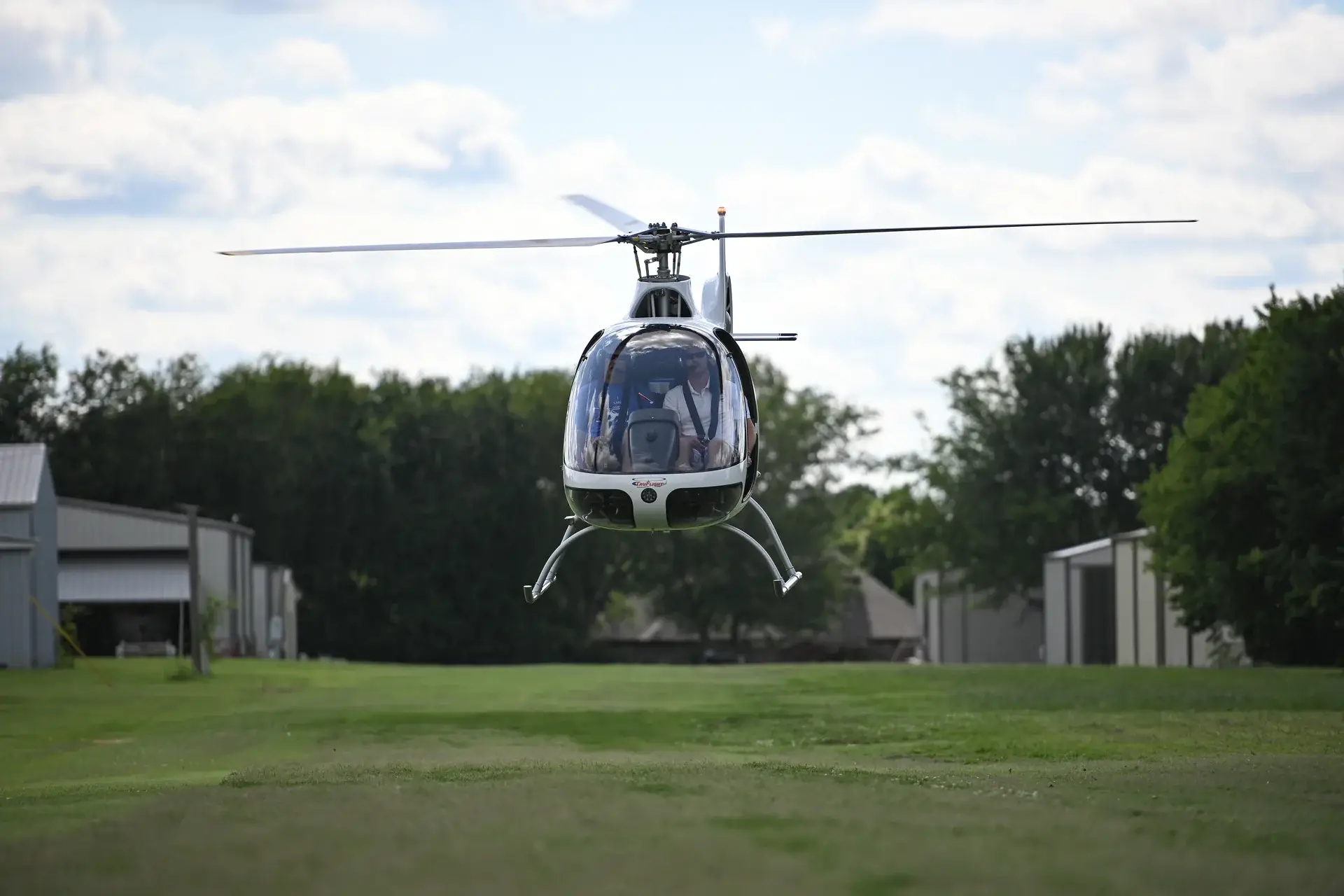
- Guimbal Cabri G2 (of course)
Certificates held
- Bachelors in Aeronautical Science
- Certified Flight Instructor - Instrument (CFII)
- Type Rating S70
- Part 133 (External Loads)
- Army Aviator Badge
- Army HAMETS Training
- Army Safe Flying Award
You can read more of the story from his perspective on our chief pilot page.
How Military Aviation Discipline Shows Up in Training
In flight training, discipline can be as simple as doing the checklist the same way every time, briefing the next maneuver before entering it, and knowing when to pause instead of forcing a lesson.
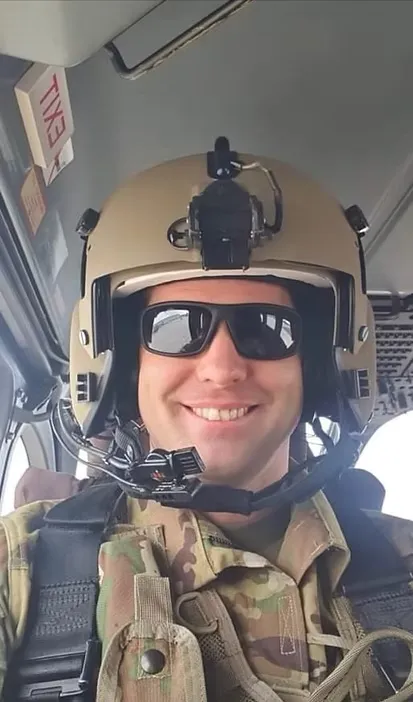
Build discipline by learning from an instructor with experience as an army pilot.
Todd’s background supports the kind of safety culture we want at TruFlight:
- Brief the plan before the aircraft moves
- Use checklists instead of memory alone
- Respect weather and aircraft limitations
- Train emergency procedures progressively
- Stay calm enough to keep solving the problem
Those habits are valuable for a first-time private pilot student, an advanced student preparing for commercial, CFI, or external-load work, as well as, a veteran pilot with many years of experience in the field.
Emergency Procedures Are Confidence Builders
Autorotation training and emergency procedure work can sound intimidating but as you get through them your confidence in the pilot seat grows more and more.
You learn what the aircraft can do, how the rotor system behaves, and how pilots manage the first few seconds of an abnormal situation. As students progress, instructors can introduce more complex scenarios and autorotation profiles at the right time.
The instructor’s role is to help students approach that work with respect and clarity. Safety improves when students know what to look for, what to do first, and how to keep flying the aircraft through the whole procedure.
For more in-depth answers to safety questions, read our helicopter safety FAQ page.
What This Means for New Students
If you are starting from zero, Todd’s background gives you the peace of mind of knowing your training will be built around tried-and-true standards from the very beginning.
You will learn that good pilots are trained into calm through repetition, clear instruction, and honest feedback.
Your first goal may simply be to understand whether helicopter flying is right for you. A discovery flight is the best starting point. You can meet the team, see the Cabri G2, ask safety questions, and take the controls with an instructor beside you.
If financing or training costs are part of your decision, our team can also walk you through current rates and program options before you choose a path.
Meet the Team Behind the Training
Todd’s experience is one part of the larger TruFlight safety culture. We believe students deserve modern aircraft, direct answers, practical instruction, and a training environment where safety is built into the daily rhythm.
Start with our Private Pilot Helicopter program if you are ready to understand the training path, or schedule a discovery flight to meet us before you commit.