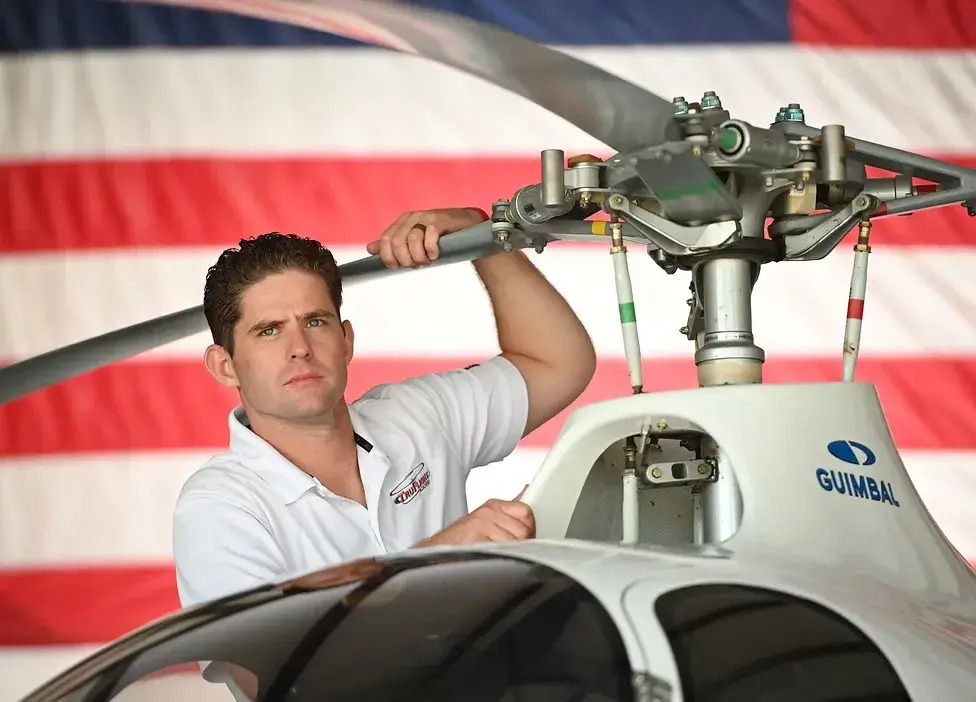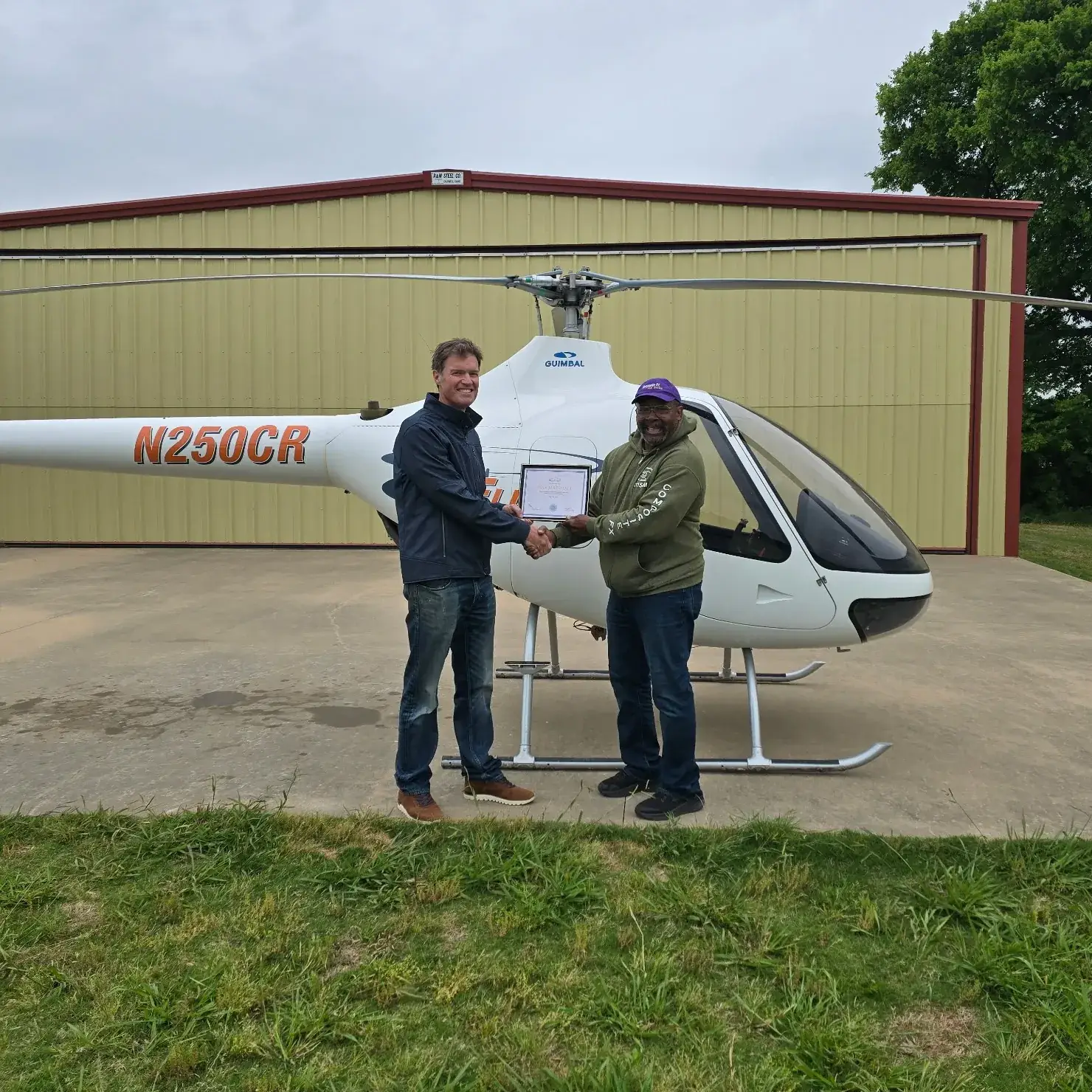
College vs. Non-College Career Paths: Is Pilot Training Right for You?
Compare college and pilot training by cost, schedule, credentials, and career opportunities, including non-college pathways and aviation degree programs.
Comparing college and non-college career paths is not really a choice between “education” and “no education.” Both demand study, discipline, money, and time. The difference is what you are training to do and which credential unlocks the next step.
A degree is designed to build academic knowledge that may apply across several roles. As one of the more specialized alternatives to college, helicopter pilot training is built around FAA certificates, ratings, practical tests, and demonstrated cockpit proficiency. If you want to fly professionally, a structured helicopter training path can move directly toward aviation milestones. If your target career requires a degree, or you want broader options outside the cockpit, college may be the stronger foundation.
The right answer in the college degree vs. pilot training decision starts with the work you want at the end. A faster-sounding route deserves less weight. You can also combine the paths by completing flight training while pursuing an aviation degree, provided the schedule and total cost are sustainable.
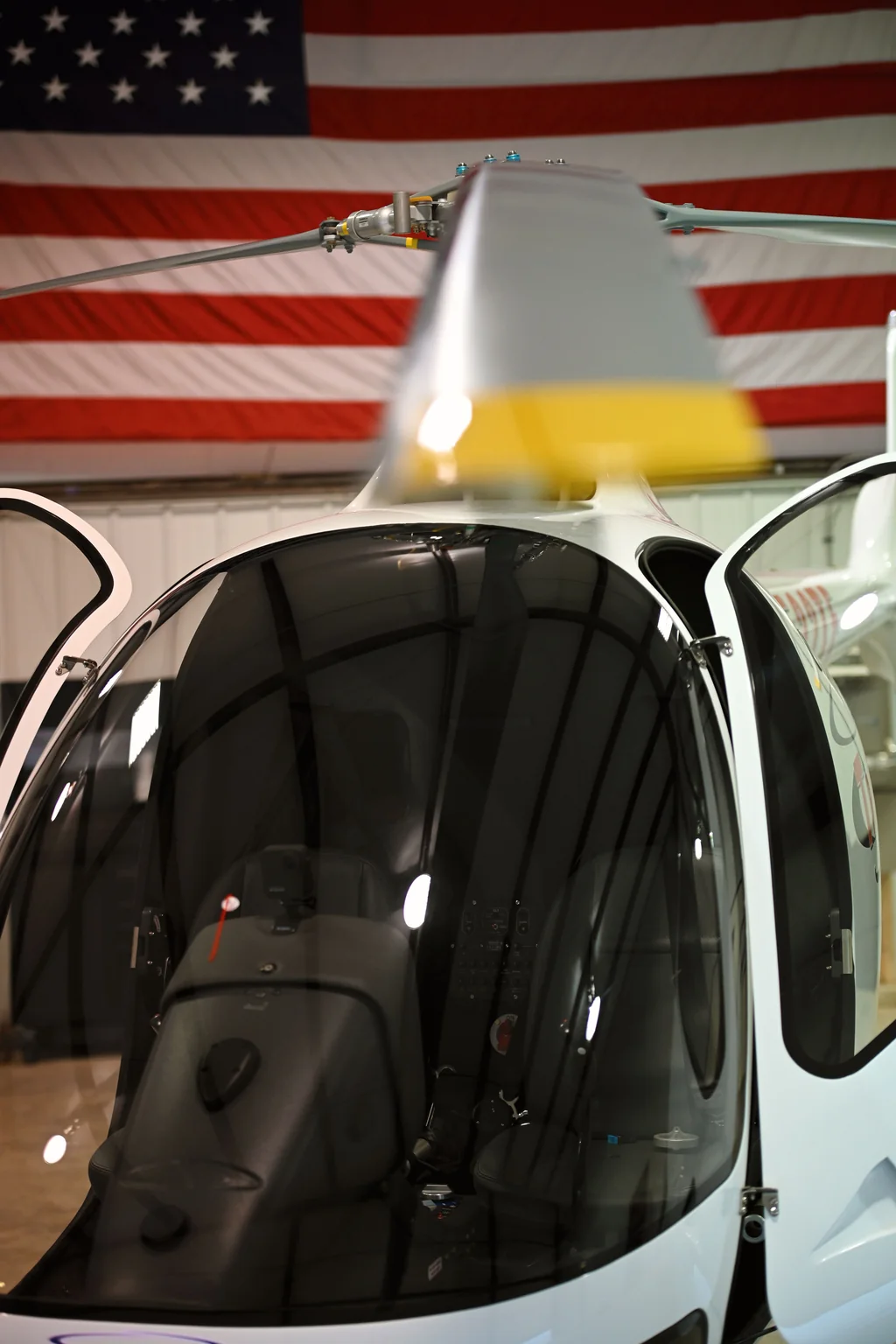
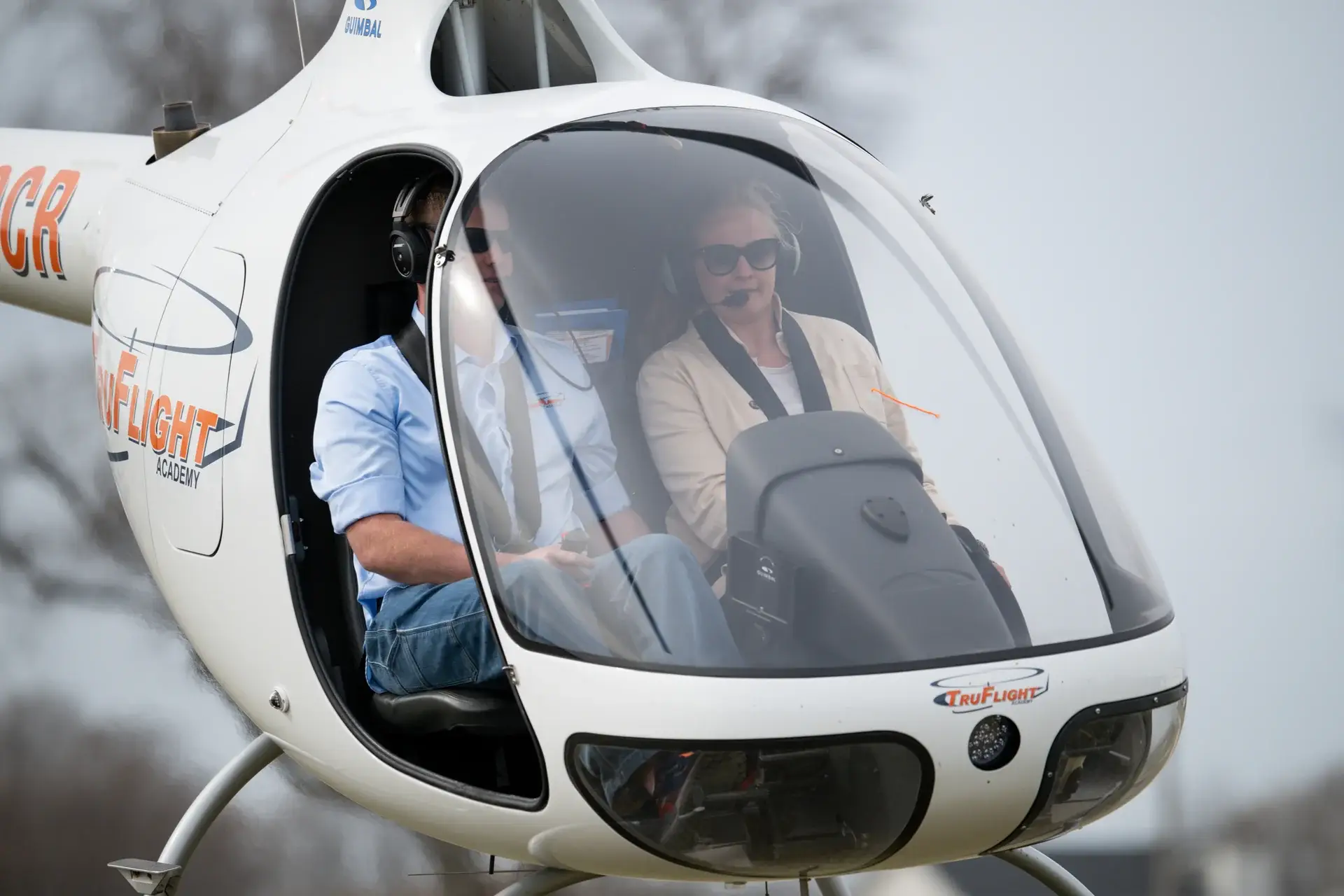
A career choice becomes more tangible when you can see the cockpit and controls up close.
Compare the credentials behind the career paths
Before comparing campuses, aircraft, tuition, or schedules, identify the minimum credential for the work you want.
Many professional fields use a degree as an entry requirement or a strong hiring preference. A degree can also build transferable skills that remain useful when you change industries. The value depends on the program, the occupation, and how employers evaluate that credential.
Professional flying follows a different system. Pilots earn FAA certificates and ratings, pass knowledge and practical tests, develop experience, and meet employer-specific requirements. That makes flight training one of the clearest career-focused options for someone interested in a pilot career without a college degree. A common helicopter career sequence may include Private Pilot, Instrument Pilot, Commercial Pilot, and Certified Flight Instructor training. Each milestone advances your qualifications, while employment remains a separate step.
| Path | Credential focus | Learning environment | The question it should answer |
|---|---|---|---|
| College degree | Academic degree in a chosen field | Courses, projects, exams, and sometimes internships | Does this program prepare me for the roles or further study I want? |
| Private Pilot training | Foundational FAA pilot certificate | Ground instruction and helicopter flight training | Do I want to build real rotorcraft proficiency and continue toward advanced credentials? |
| Commercial Pilot training | FAA commercial pilot privileges | Advanced flight proficiency and career-focused preparation | Am I building the qualifications relevant to compensated flying opportunities? |
| Certified Flight Instructor training | Flight instructor certificate | Learning to teach, explain, demonstrate, and evaluate | Does instruction fit my experience-building and professional plan? |
A commercial pilot certificate is an important eligibility milestone, but hiring remains separate. Employers may set experience, insurance, training, medical, and hiring standards beyond the certificate itself.
Compare how college and pilot training shape an ordinary Tuesday
Your choice becomes clearer when you look beyond graduation day and picture the weekly work required to get there.
In college, your week may include lectures, reading, assignments, group projects, labs, and exams. Progress generally follows an academic calendar, with flexibility depending on whether you attend full time, part time, online, or in person.
In helicopter training, progress is closely tied to proficiency and continuity. Your week may include ground study, weather review, preflight planning, aircraft time, instructor feedback, and chair-flying procedures between lessons. Weather, maintenance, aircraft access, and checkride scheduling can affect the calendar. Our guide to the helicopter training timeline explains why a consistent rhythm matters more than an aggressive date on paper.
Ask yourself:
- Do I learn best through academic study, physical skill development, or a mix of both?
- Can I protect a repeatable flight-training schedule?
- Am I comfortable being evaluated on both knowledge and performance?
- Would a broader course of study keep more doors open for my goals?
- Do I want my education to point directly toward the cockpit?
Neither path is easy in the way people sometimes mean “easy.” The challenge simply takes a different form.
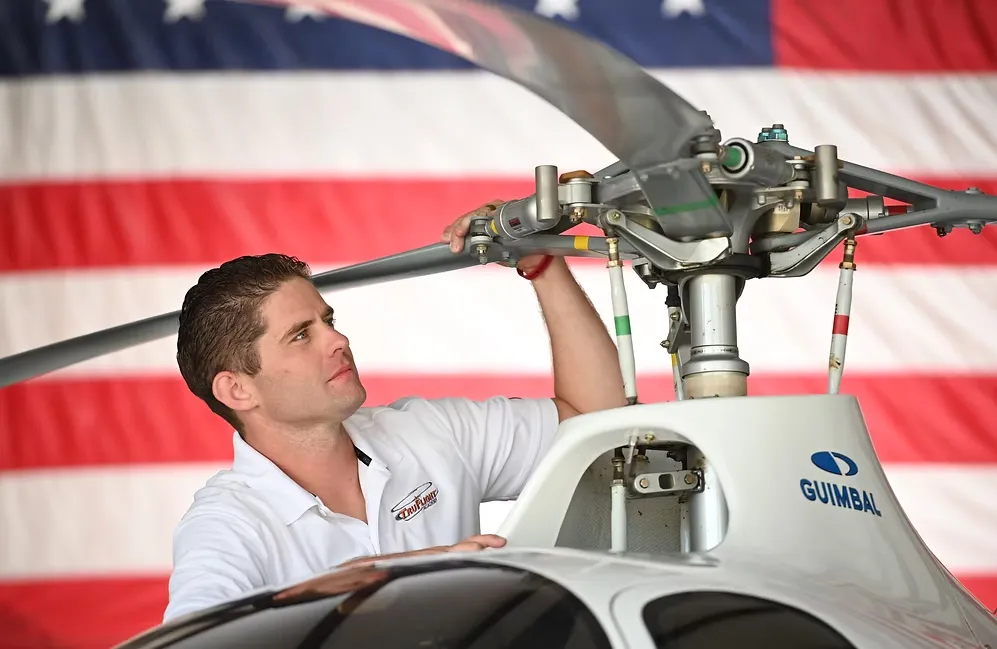
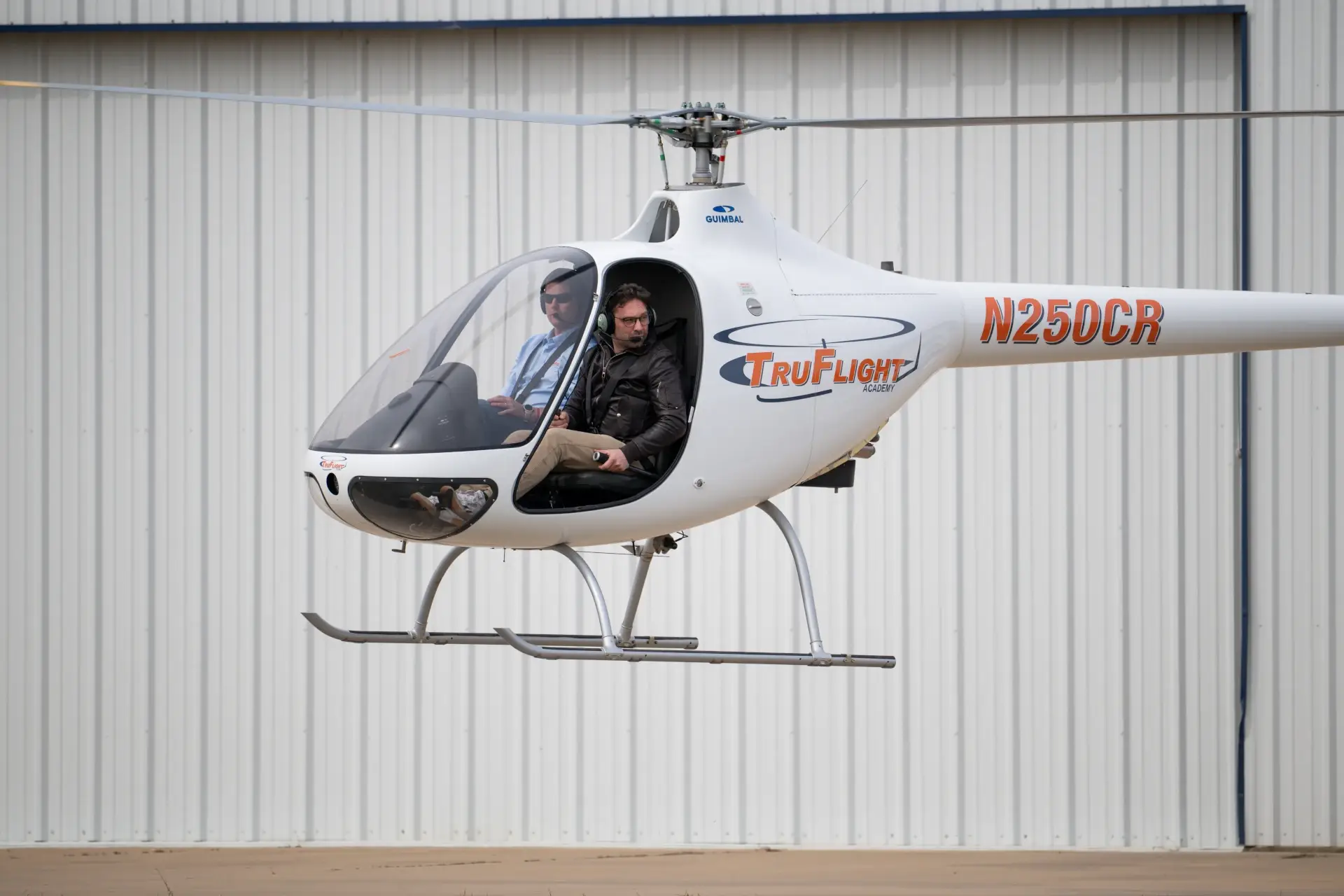
Flight training combines study with repeated preparation, inspection, and hands-on performance.
Build two complete budgets beyond the headline prices
The most misleading comparison is a college tuition number beside a flight-school package number with no explanation of what either includes. A useful budget compares the full path you are seriously considering.
For college, that may include tuition, fees, books, technology, housing, transportation, and income you may give up while attending. The total can change dramatically by institution, residency, scholarships, living situation, and time to completion.
For helicopter training, plan for aircraft and instructor time, ground instruction, study materials, testing, medical certification where applicable, examiner fees, supplies, and additional proficiency work. FAA minimum experience requirements establish eligibility. Individual proficiency determines the time and cost needed to finish.
Our helicopter training pricing provides a starting point for aircraft, instruction, and program planning. Payment or financing information can change and depends on individual circumstances, so talk with our team about current options before building a training schedule around them.
Then compare the budgets with the same questions:
- What is included?
- Which expenses sit outside the quoted amount?
- What could extend the calendar or total cost?
- Can I sustain the planned pace without repeated stops?
- What credential will I hold at each major spending milestone?
Compare specialization with broader career flexibility
A degree can provide broader occupational flexibility, particularly when the subject builds skills used across many industries. It may also support graduate education or meet requirements for roles unrelated to aviation. That breadth can be valuable if you are still exploring or if your target employer expects a degree.
Pilot training is more specialized. Its strength is direct relevance: the lesson is connected to aircraft knowledge, decision-making, procedures, and flight proficiency. Among careers without a college degree, professional flying still requires substantial formal training and certification. If the cockpit is the goal, that focus can make the path feel concrete. If your interests are divided among several careers, specialization deserves a more careful look.
Our helicopter pilot career guide can help you see where certificates, experience building, and specialized flying may fit.
Research future employers before you commit. FAA eligibility and employer hiring standards are not the same thing, and degree preferences can vary by role and organization.
Pilot training can also complement an aviation degree
College and pilot training are not always mutually exclusive. Some students complete flight training while earning an aviation degree, train after graduation, or return to college later. An aviation degree can provide academic study in aviation-related subjects, while flight training develops the FAA credentials and cockpit proficiency needed to exercise pilot privileges.
The credentials remain distinct. An aviation degree does not replace FAA certificates, ratings, knowledge tests, practical tests, medical eligibility where applicable, or required experience. Likewise, standalone flight training does not award a college degree.
If you are comparing an independent flight school with a combined college aviation program, verify:
- Which degree, certificates, and ratings you will earn.
- Whether flight costs are included in published tuition and fees.
- How weather, aircraft availability, and academic calendars affect training continuity.
- Whether you can sustain the combined course load and flight schedule.
- How each option aligns with the hiring standards of your target employers.
For someone firmly focused on the cockpit, standalone training can remain a direct non-college option. For someone who values both academic breadth and flight credentials, completing the two in conjunction may fit better. The right order should reflect your resources and intended work.
Know what pilot training can and cannot promise
Pilot training can give you a defined sequence of skills and credentials. It cannot guarantee a completion date, instructor job, salary, or eventual flying position.
Many career-track helicopter students build from private through instrument and commercial training, then pursue instructor qualifications. Flight instruction is a common way qualified pilots gain experience, but hiring depends on school needs, qualifications, availability, and other employer standards. From there, pilots may pursue different commercial sectors as their experience and qualifications grow.
At TruFlight Academy, we help students map the zero-to-CFI helicopter path around their starting point, schedule, and intended outcome. Our role is to make the milestones clear and the training practical while keeping expectations grounded.
This distinction protects your decision. A serious training plan should show what you can control: preparation, consistency, study habits, feedback, and financial readiness.
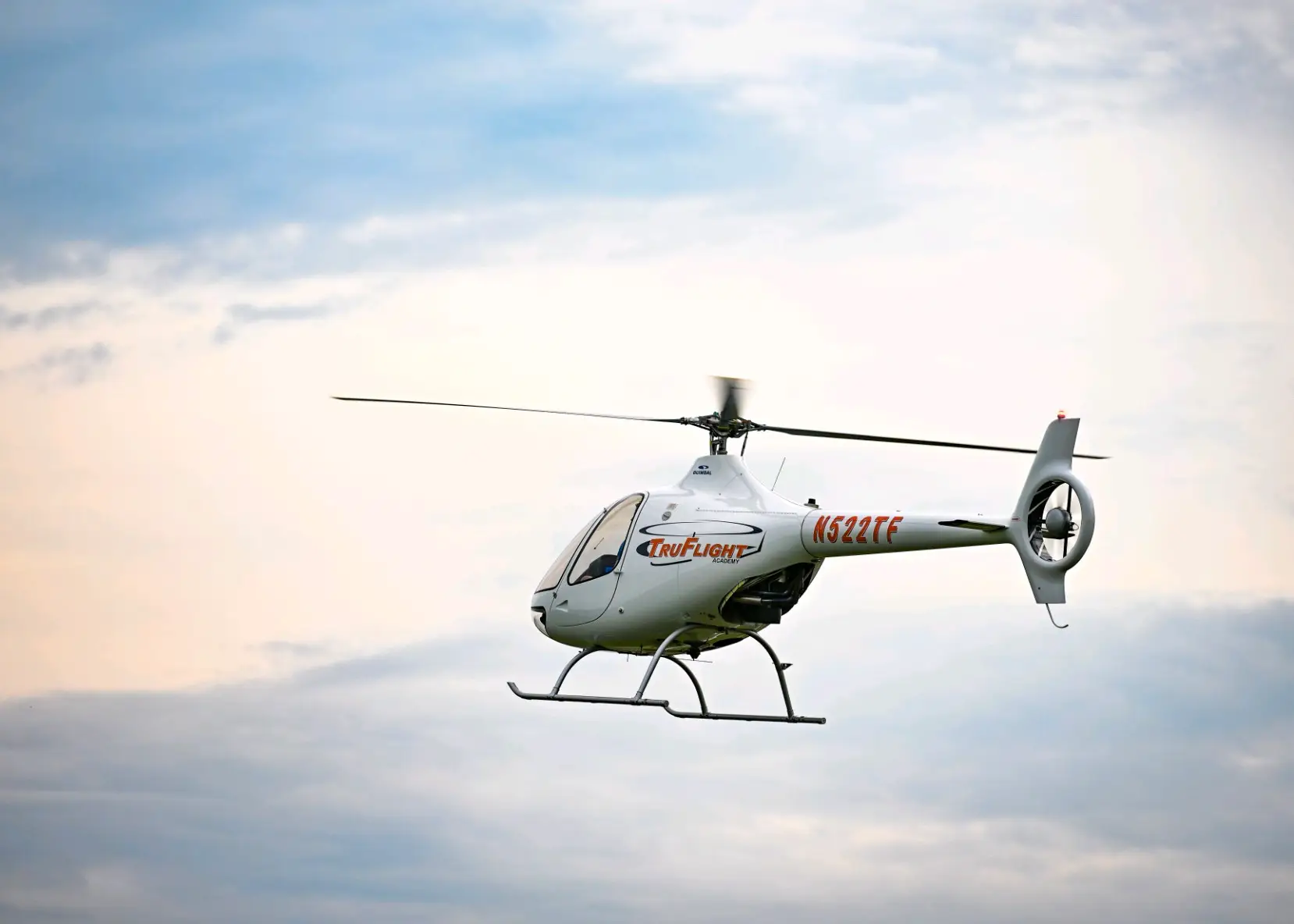
Each certificate or rating is a meaningful milestone, while employment remains a separate step.
Use a discovery flight to test the part no spreadsheet can measure
You can compare costs and credentials from a desk, but you cannot fully simulate the feeling of sitting at the controls. A helicopter discovery flight gives you a lower-commitment way to experience the cockpit, meet the training environment, and turn an abstract career idea into better questions.
Pay attention to more than excitement. Notice whether you are curious about the systems, comfortable receiving precise instruction, and eager to understand why the helicopter responds the way it does. Enjoying the view is not the same as enjoying the work of becoming proficient.
After the flight, ask yourself whether you want to return for the repetition, study, critique, and incremental progress. Those are stronger signals than the thrill of one takeoff.
If college is also on your shortlist, apply the same test. Visit the program, speak with instructors or students, inspect the curriculum, and connect it with real entry-level roles. A strong choice becomes more specific as you investigate it.
A simple scorecard can expose the better fit
Use this scorecard before choosing a pilot training program or accepting a college offer. Rate each path from 1 to 5, then write one sentence explaining every score.
| Decision factor | College degree | Pilot training |
|---|---|---|
| Required for my target work | ||
| Interest in the weekly learning process | ||
| Ability to sustain the schedule | ||
| Complete budget clarity | ||
| Fit with my preferred work environment | ||
| Flexibility if my goals change | ||
| Clear next credential or milestone |
Treat the total score as one input. Circle any factor that is nonnegotiable. If your desired profession requires a specific degree, that fact outweighs a higher score elsewhere. If you want to fly helicopters professionally, direct aviation credentials deserve more weight than a vague preference for a traditional route.
Frequently asked career-path questions
Can you become a helicopter pilot without a college degree?
Yes, a person can pursue a pilot career without a college degree because FAA pilot certification follows certificate, rating, experience, testing, and eligibility requirements rather than requiring a degree by default. Individual employers may still prefer or require a degree for certain roles, so research the organizations and work you want. Start with our professional helicopter career path and build outward from specific job requirements.
Is pilot training faster than a four-year degree?
It follows a different calendar. Flight training is based on required experience and demonstrated proficiency, while college generally follows an academic program schedule. Weather, lesson frequency, aircraft and instructor availability, finances, and checkride timing can all affect how long helicopter training takes.
Is pilot training cheaper than college?
The answer depends on the exact program, location, pace, included expenses, and additional time needed. Set a complete college budget beside a personalized estimate based on our pricing for a useful comparison.
Can I become a professional pilot without becoming a flight instructor?
Flight instruction is a common experience-building route, but it is not the only route and employment is not automatic. The right sequence depends on your qualifications and target sector. Review commercial helicopter training and discuss how instructor training may fit your plan.
Can I complete pilot training while earning an aviation degree?
Yes, if the combined workload, budget, and schedule are sustainable. College aviation courses and FAA flight training serve related but distinct purposes, and the degree does not replace the certificates, ratings, tests, or experience required for pilot privileges. Protect enough consistency for flight skills while meeting academic obligations. A discovery flight near Dallas can help you decide whether training belongs in your near-term plan.
How should I compare standalone flight training with a college aviation program?
Compare the exact credentials awarded, the full cost of flight and academic instruction, schedule flexibility, training continuity, and the requirements of your target employers. Standalone flight training may be the more direct non-college career path, while a college aviation program may suit students who also want a degree. In either format, confirm how and where you will complete the required FAA training and tests.
What should I do if I am still undecided?
Test both environments before making the larger commitment. Visit the college program and take a helicopter discovery flight. Then evaluate the actual learning process alongside the graduation title.
Turn your career question into a training plan
Use the broader college vs. non-college career paths comparison to clarify what you need, then decide which credential, learning environment, and financial commitment fit your target work and your real life. Pilot training can stand on its own as a focused alternative to college or be completed alongside an aviation degree, but the FAA milestones remain central to becoming qualified to fly.
Contact us with your aviation experience, weekly availability, and career goal. We will help you identify the first applicable helicopter training milestone and the questions you should answer before committing.