Ready to Enroll? 7 Questions Before Helicopter Lessons in 2026
Thinking about a helicopter private pilot license? Answer 7 honest questions on goals, schedule, travel, budget, medical, and learning style before you enroll in 2026.
The form is open in one tab and your calendar is open in another. You have wanted a helicopter private pilot license for years, and now the question is no longer whether you like the idea. It is whether the week, the drive, the budget, and the first few months will actually hold together once the headset goes on and lessons begin.
Ask it before you enroll. People search for a helicopter license, a helicopter pilot license, or a helicopter flying license, and the FAA issues a pilot certificate, so we use those terms side by side. Below are seven honest questions. Each one tells you what a “yes” looks like, what a “not yet” looks like, and the next step either way. If you still need to confirm age, English, and the knowledge test, our eligibility checklist covers that first.
Question 1: Do you know why you want to fly?
Your reason shapes everything that comes after it: which program you start with, how much time you protect, and how you measure progress. A clear reason keeps you flying in the weeks when work, weather, and life push back.
A yes sounds like a sentence you can finish: “I want to fly my family around North Texas,” or “I want to build toward a flying career.” A not yet sounds like “I just think it would be cool.” That is a fine place to start, and it points to a smaller first step.
If your goal is personal, read our guide on whether a private certificate is enough for recreational flying. If paid flying is on your mind, our Zero-to-CFI plan shows how the milestones connect. Certification and employment are separate outcomes, so decide which one you are actually buying.
Question 2: Can you protect a lesson rhythm you can repeat?
Helicopter skills fade between long gaps and sharpen with steady practice. Under Part 61, the FAA rule set we train under, your pace follows your proficiency and your availability. That freedom works best when your availability is predictable.
A yes means you can name the days and hours you can protect most weeks, plus a backup window for the week weather moves a lesson. A not yet means your schedule changes weekly, or you are counting on a quiet stretch that has not arrived. Starting before that stretch arrives costs momentum, and waiting costs nothing.
Try this today: draw next month’s calendar and mark the lesson slots that survive a late meeting. Our post on learning to fly with a full-time job walks through that exercise in detail, and our training timeline guide explains why weather, aircraft availability, and study habits move the finish line. FAA minimums are a floor, so your own rhythm sets the real schedule.
Question 3: Is the drive to Howe realistic, or should we fly to you?
Our home base is Finney Field in Howe, just north of McKinney. A short drive makes lessons easy to keep. A long one quietly turns a one-hour lesson into a half-day commitment, and that is where good intentions stall.
A yes means you can reach the field on your lesson days without dreading the trip. A not yet means the drive is the weak link in your plan, and there is a fix. With mobile lessons, we fly our Cabri G2 to a select airport closer to your home or work. The convenience fee covers the ferry flight there and back, and it can be split equally when two or more students train at the same airport on the same day.
You can also mix both: some weeks at Finney Field, some weeks closer to home. Our mobile lessons guide explains how it works. Tell us the airport you have in mind and we will confirm whether we can train there. If you are coming from farther away, our housing partnership gives out-of-town students a student discount on a nearby Airbnb and an available rental car.
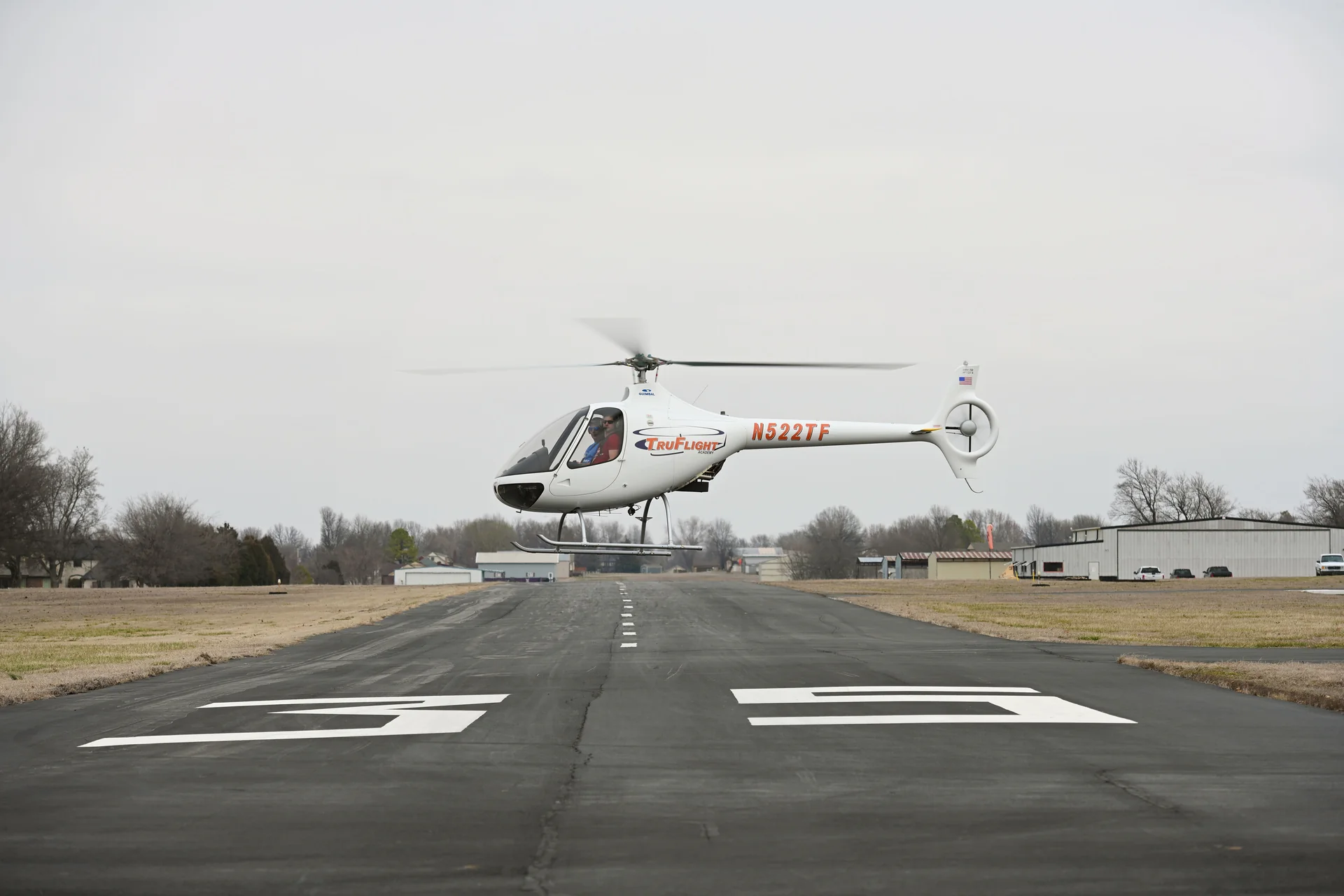
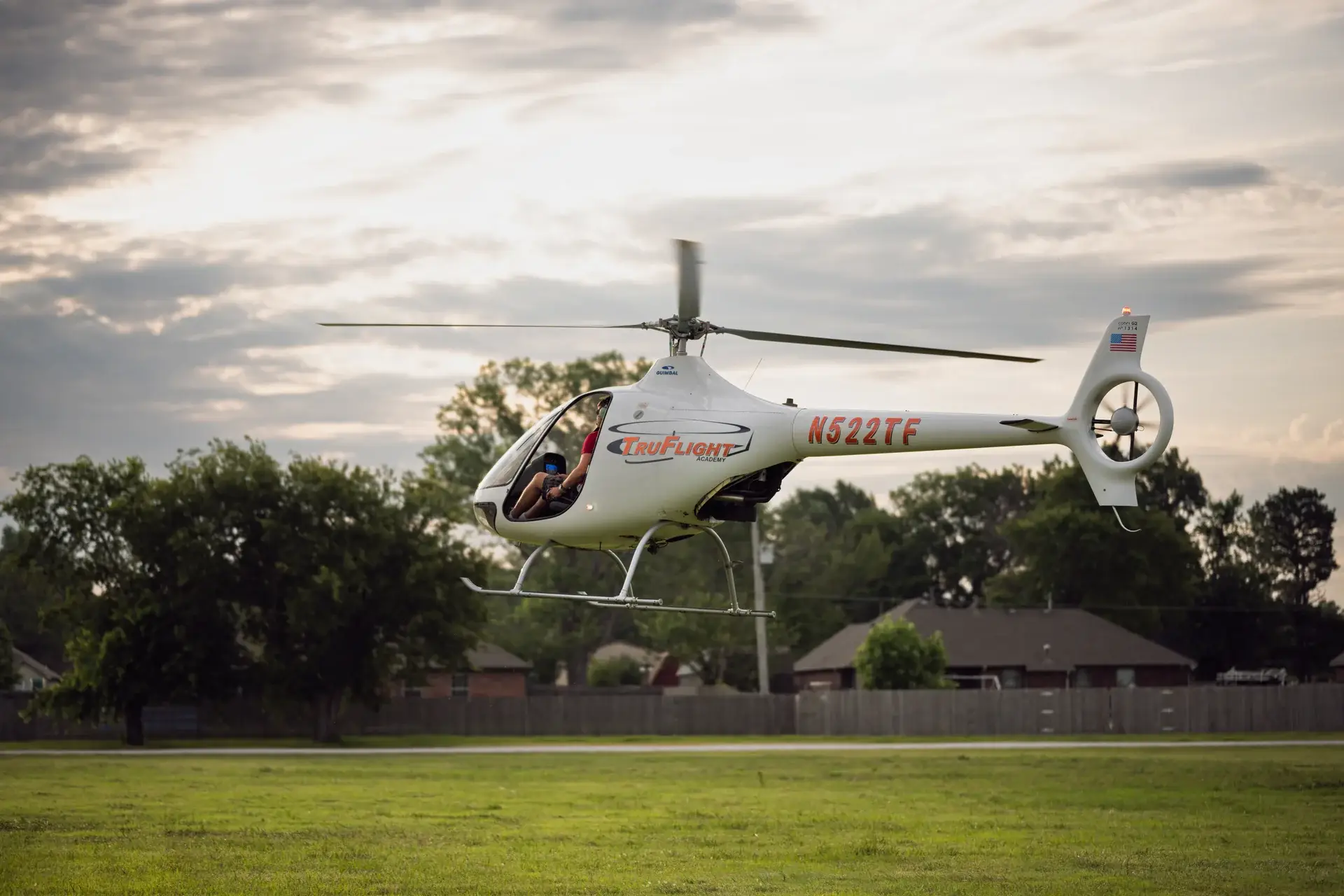
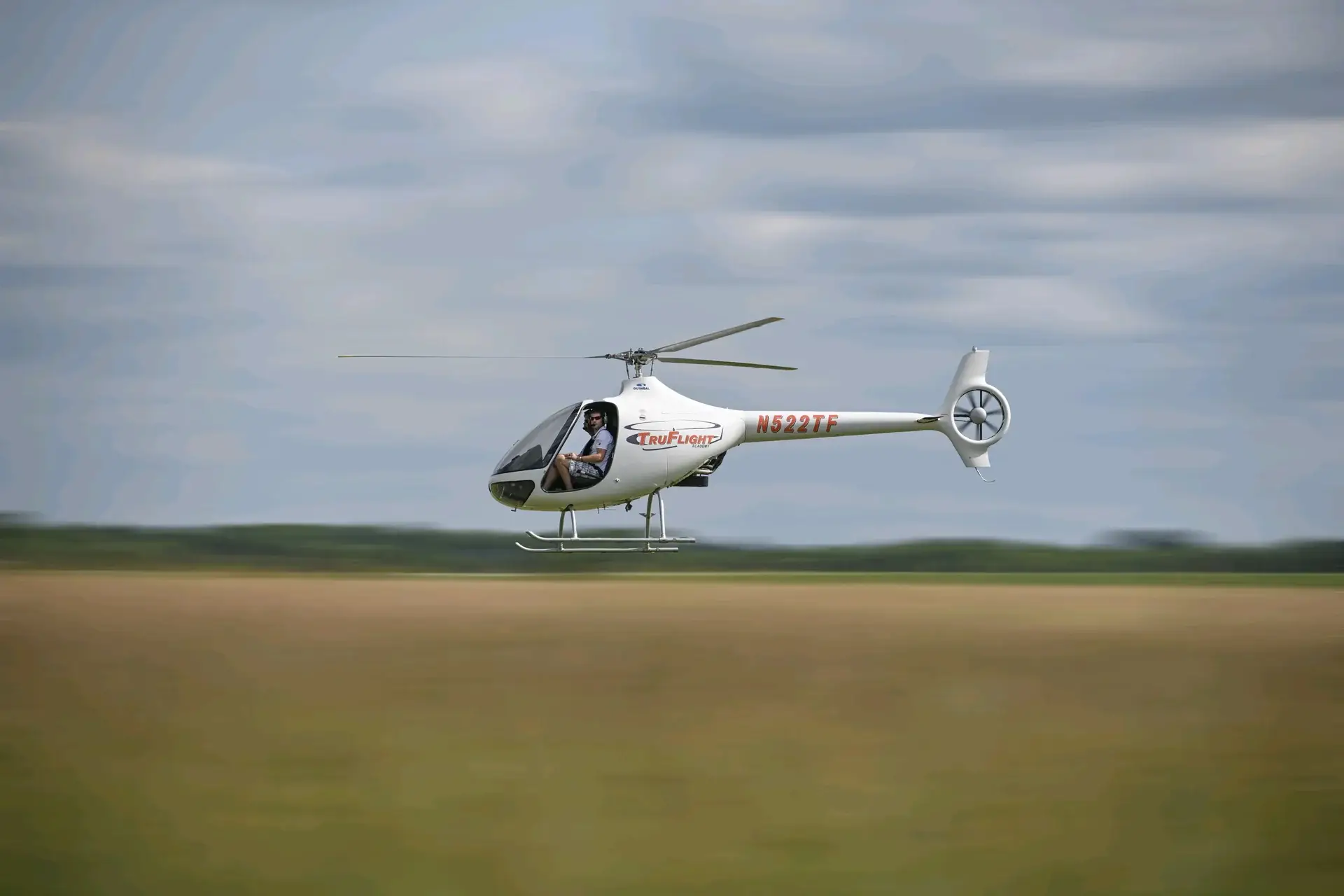
A helicopter can meet you at a select airport closer to home.
Question 4: Do you have a budget approach, even without the final number?
You do not need a final total to enroll. You need an approach: how you plan to pay, and how you will pace the spending. Training is billed by the hour, and pre-paid block rates are available for students who pay in full up front. Current rates are always on our pricing page, so we do not repeat numbers here that may change.
A yes means you have decided how you will fund lessons, whether from savings, monthly income, or both. Remember the smaller costs outside the hourly rate: your medical exam, the knowledge test, and the examiner’s fee at checkride time. A not yet means you are unsure which way to pay. Financing options may be available to qualified applicants, and we are happy to walk you through them.
The next step is a conversation. Our admissions team will build an estimate around your starting point, and it will separate what you pay for flight time from what you pay for everything around it. For now you only need to know which way you are leaning.
Question 5: Have you started the medical conversation?
An FAA medical certificate is generally needed before your first solo flight. You can take lessons before you have one, and many students do. The risk is spending heavily on early lessons before you learn something that affects your plan.
A yes means you have booked, or already completed, a visit with an Aviation Medical Examiner, the doctor the FAA authorizes to issue medical certificates. A not yet means you have not looked into it, which is common and easy to fix. Eligibility questions belong with that examiner. We are not doctors and we do not give medical advice, so we will not guess for you.
Booking that appointment early is one of the cheapest ways to protect the rest of your plan. It also turns a vague worry into a known answer, which lets you decide the other six questions with more confidence.
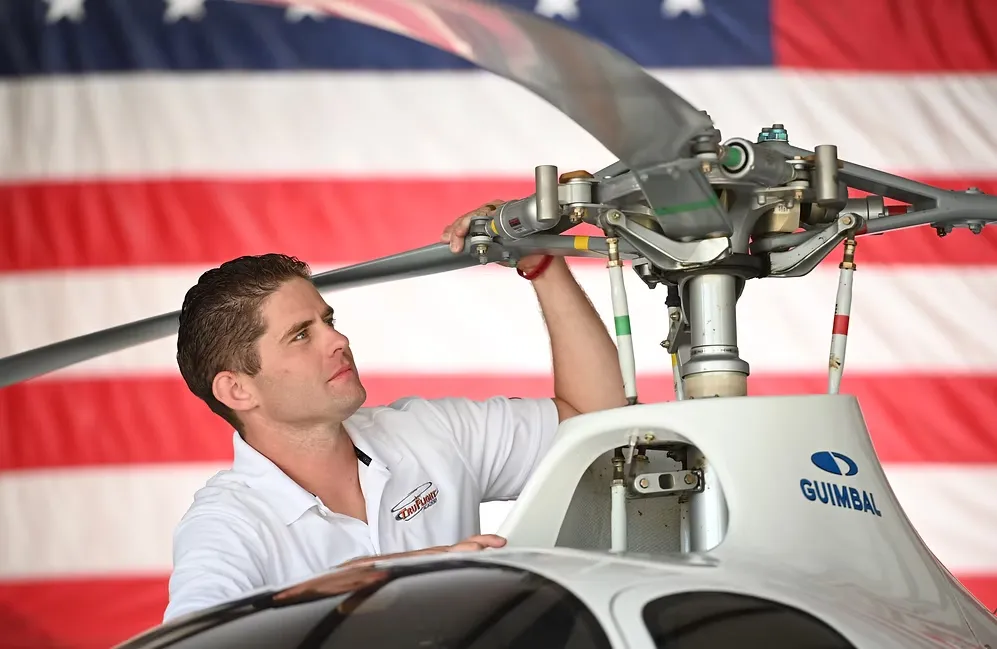
Every lesson starts with a briefing and a preflight walkaround.
Question 6: How do you learn best?
Some students learn by doing, and some learn by studying first. Both work, and knowing which describes you helps us shape the plan. Every lesson is one instructor and one student, so the pacing adjusts to you. Our post on what one-on-one helicopter training looks like shows how.
Each lesson follows a loop: a briefing, the flight, and a debrief while it is fresh. A yes means you like that structure and you can add short study sessions between lessons, such as a lunch hour with your notes or an evening chair-flying a procedure you will practice next. A not yet means you learn better in longer, quieter blocks, or you tend to put off reading. Either way, we adjust how we schedule ground instruction and how much time we build in before the knowledge test.
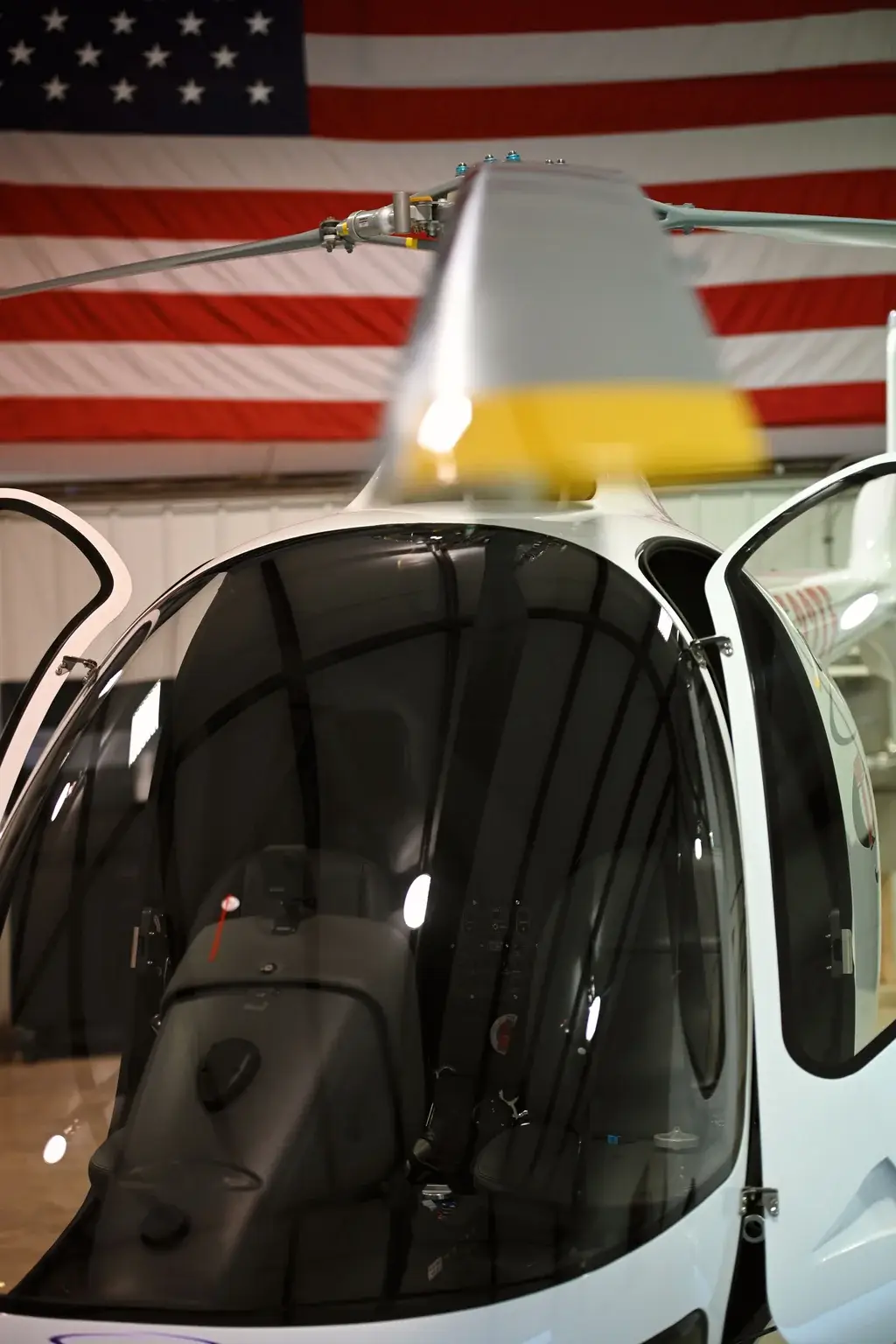
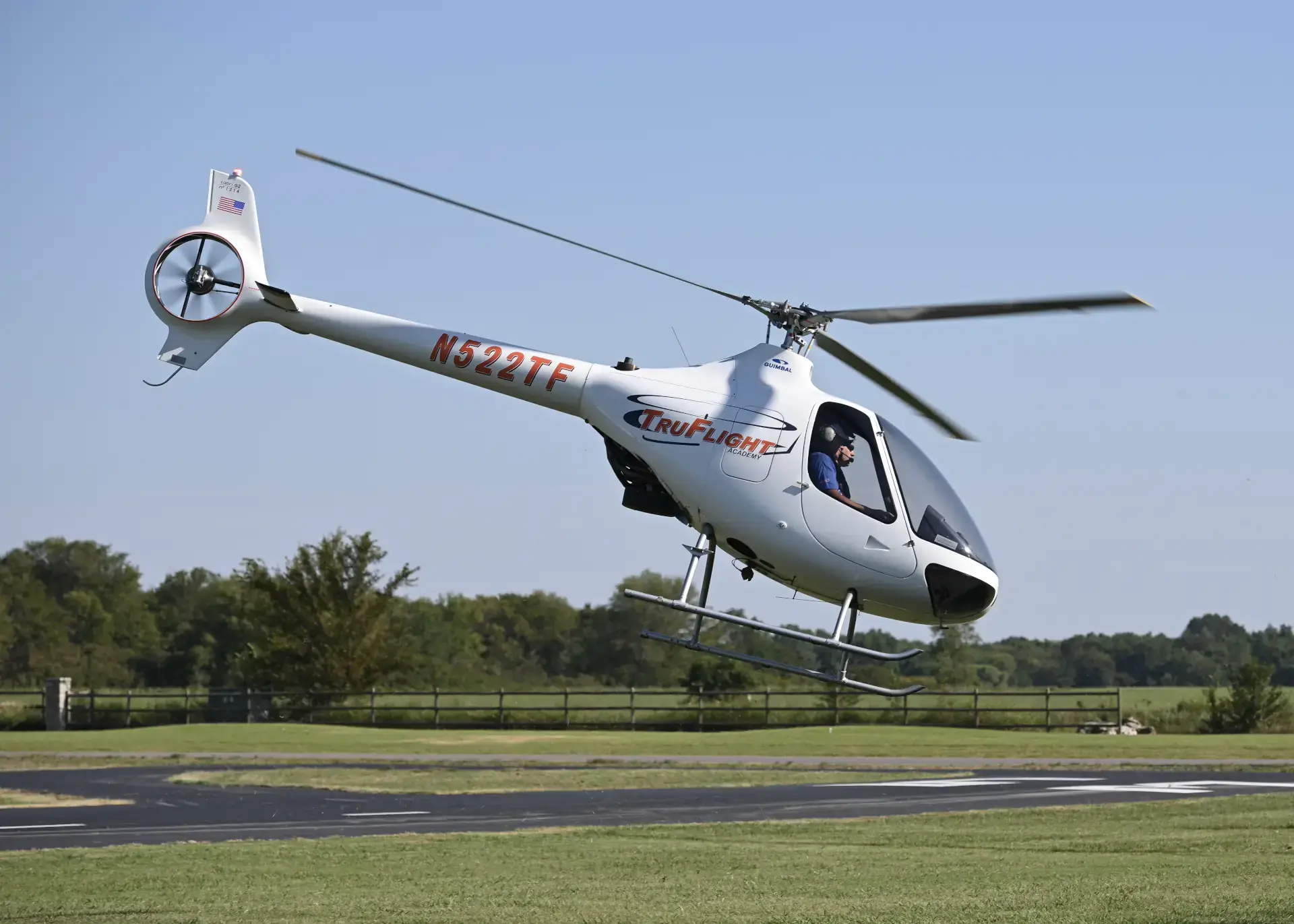
You will fly a modern Guimbal Cabri G2 with a glass-panel cockpit, and your instructor sees what you see. If something is not working, tell your instructor early so the plan can change with you.
Question 7: Should a discovery flight come before you enroll?
This is the question where most readers should lean toward “yes.” Reading about helicopters can only take you so far, and an hour in the pilot seat answers questions that no article can. You learn whether you enjoy the controls, whether the sensation suits you, and whether the commute to Howe feels worth it.
On a discovery flight, your instructor explains the basics of helicopter control, then you take the controls, fly straight and level, and try hovering when conditions allow. No flight experience is needed, and booking a flight does not obligate you to enroll. Our guide to what to expect on a discovery flight covers the whole experience.
A yes means you want that proof before you pay for a program. A not yet usually means you have already flown with us and want to go straight to enrollment. In that case, our enrollment form is the place to begin.
Your answers, translated into a next step
Count your honest answers, then use this table. You do not need seven yeses to move forward. You need to know which “not yet” to fix first.
| Your question | If you said yes | If you said not yet |
|---|---|---|
| Why you want to fly | Choose the program that matches your goal, starting with our Private Pilot program. | Start smaller and let the flying clarify your goal. |
| Lesson rhythm | Share your protected days with us and plan around them. | Build your calendar first, using the full-time job guide above. |
| Getting to the field | Plan your lessons at Finney Field. | Tell us about a select airport closer to you. |
| Budget approach | Review rates on our pricing page and request an estimate. | Talk through payment options with admissions. |
| Medical | Keep your examiner visit on your calendar. | Book the Aviation Medical Examiner appointment. |
| How you learn | Tell your instructor what works for you. | Plan extra ground study time before your knowledge test. |
| Discovery flight | Skip ahead to enrollment. | Book the flight before you spend more. |
A few clear yeses and a couple of “not yets” is a healthy place to start. Our license overview for Texas fills in the rest of the path once you decide to go.
Questions readers ask before they enroll
Do I need to answer yes to all seven questions?
No. The questions show you which part of your plan needs attention first. Starting with a few open items is normal, and you can settle them as lessons begin.
Can I start lessons before I get my medical certificate?
Yes. A medical certificate is generally needed before your first solo flight, not before your first lesson. Talk with an Aviation Medical Examiner early so a surprise does not land mid-training.
What if I live far from Howe?
We can fly to a select airport closer to you, and the ferry fee can be split between students who train at the same airport on the same day. Send us your location and we will confirm what is possible.
Do I have to pay everything up front?
No. Training is billed by the hour, and pre-paid block rates are available for students who want to pay in full up front. Financing options may be available to qualified applicants, and our team will walk you through them.
Is a discovery flight required before I enroll?
No. It is optional. It is the easiest way to test your answers to questions 3, 6, and 7 in one hour.
How long will lessons take?
It varies with your schedule, the weather, aircraft availability, and how quickly skills settle in. Our timeline guide helps you plan around your own pace.
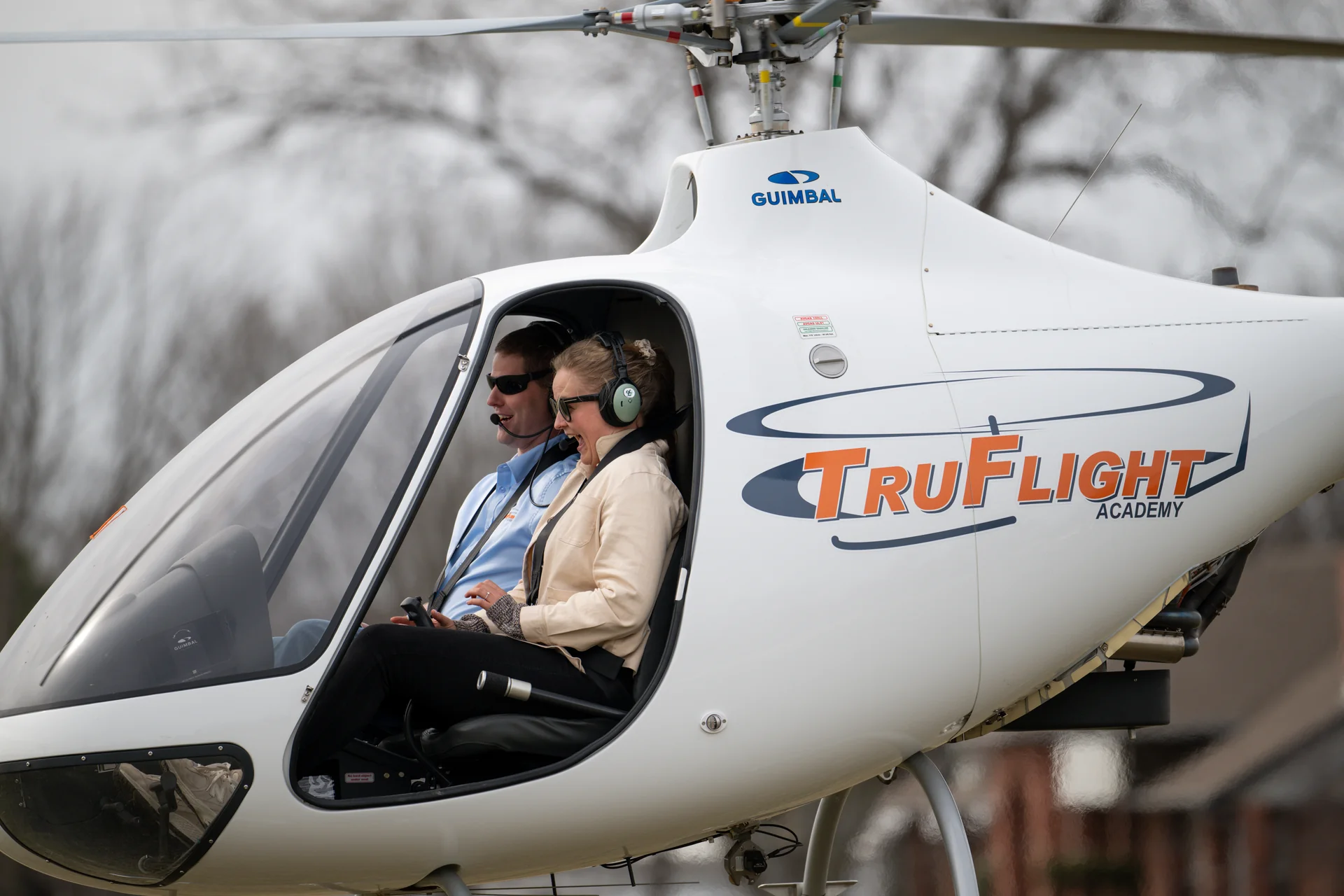
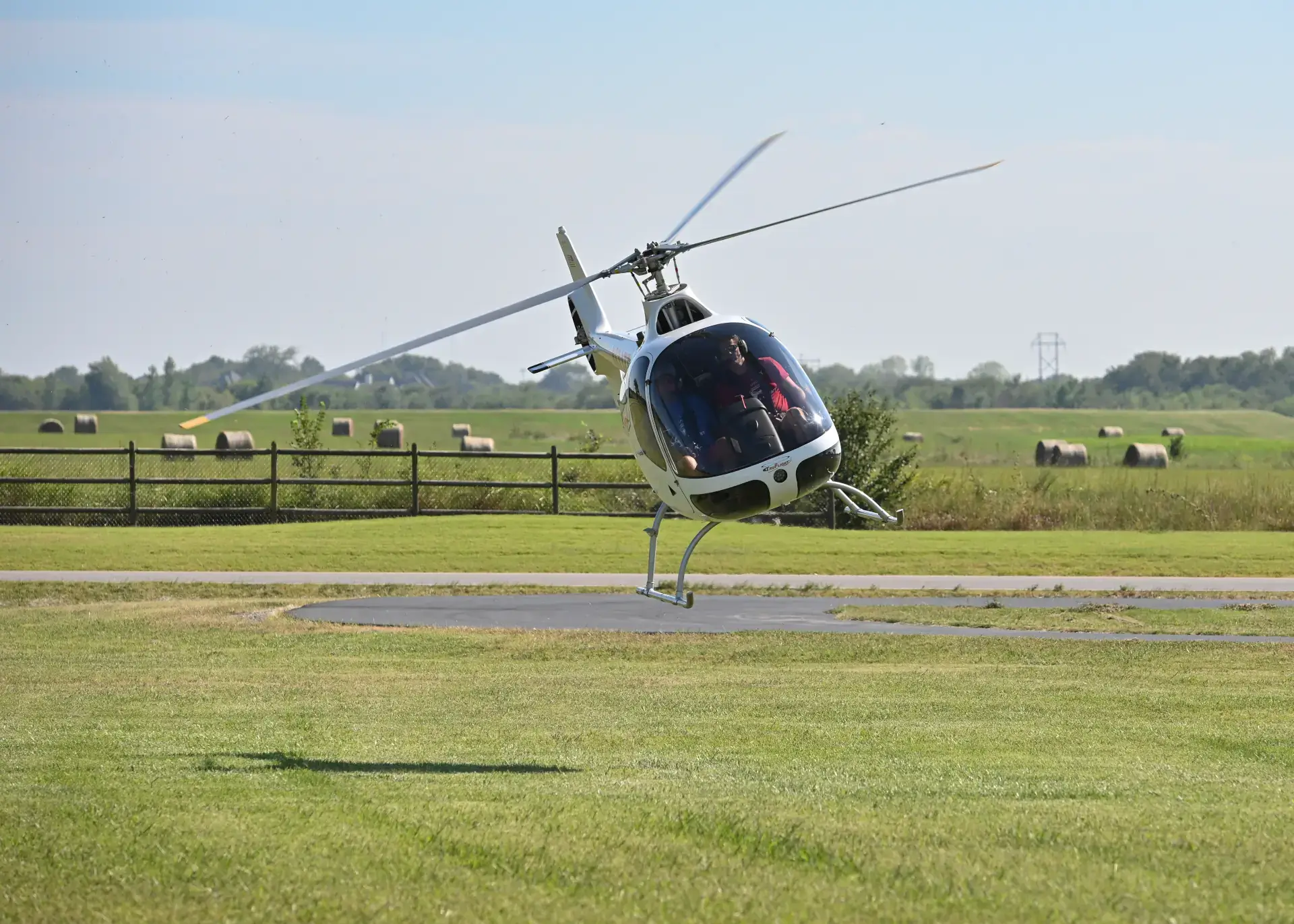
A discovery flight puts you at the controls before you commit.
Test your answers in the pilot seat
Seven honest answers give you a plan, and one hour in the air shows whether it feels right once the rotor is turning. Book a discovery flight and see how you feel about the controls, the commute, and the hover before you commit your calendar and your budget.
Schedule your discovery flight, then bring your answers with you. We will help you decide your next step.