What One-on-One Helicopter Training Actually Looks Like
See what a one-on-one helicopter lesson at TruFlight Academy looks like, from the briefing and preflight to the hover, the debrief, and your first solo.
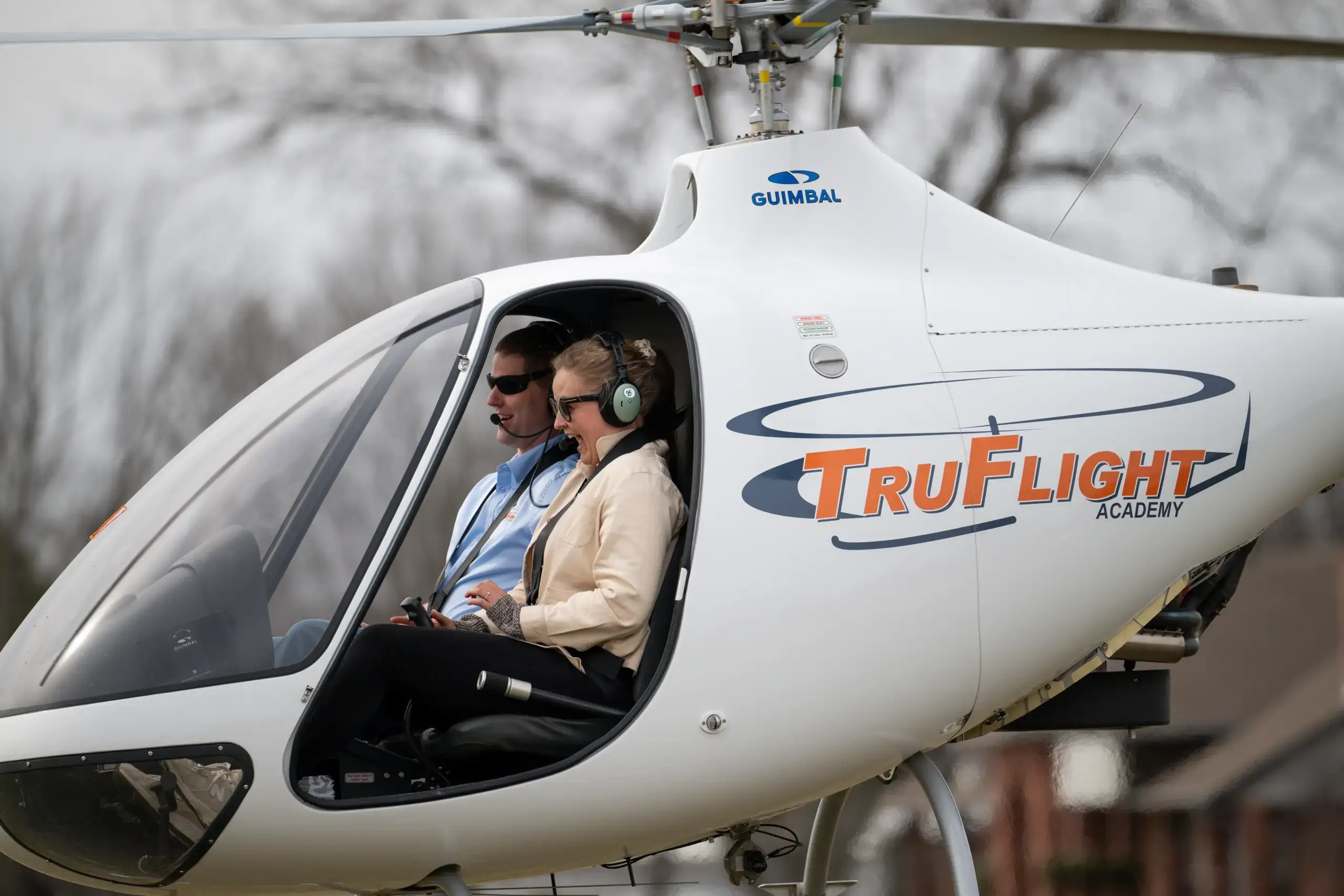
The door closes, the headset settles over your ears, and the only other person in the aircraft is the one who knows exactly what you are about to try for the first time. That is one-on-one helicopter training: one instructor, one student, and a two-seat cockpit where every correction, every question, and every small win belongs to you.
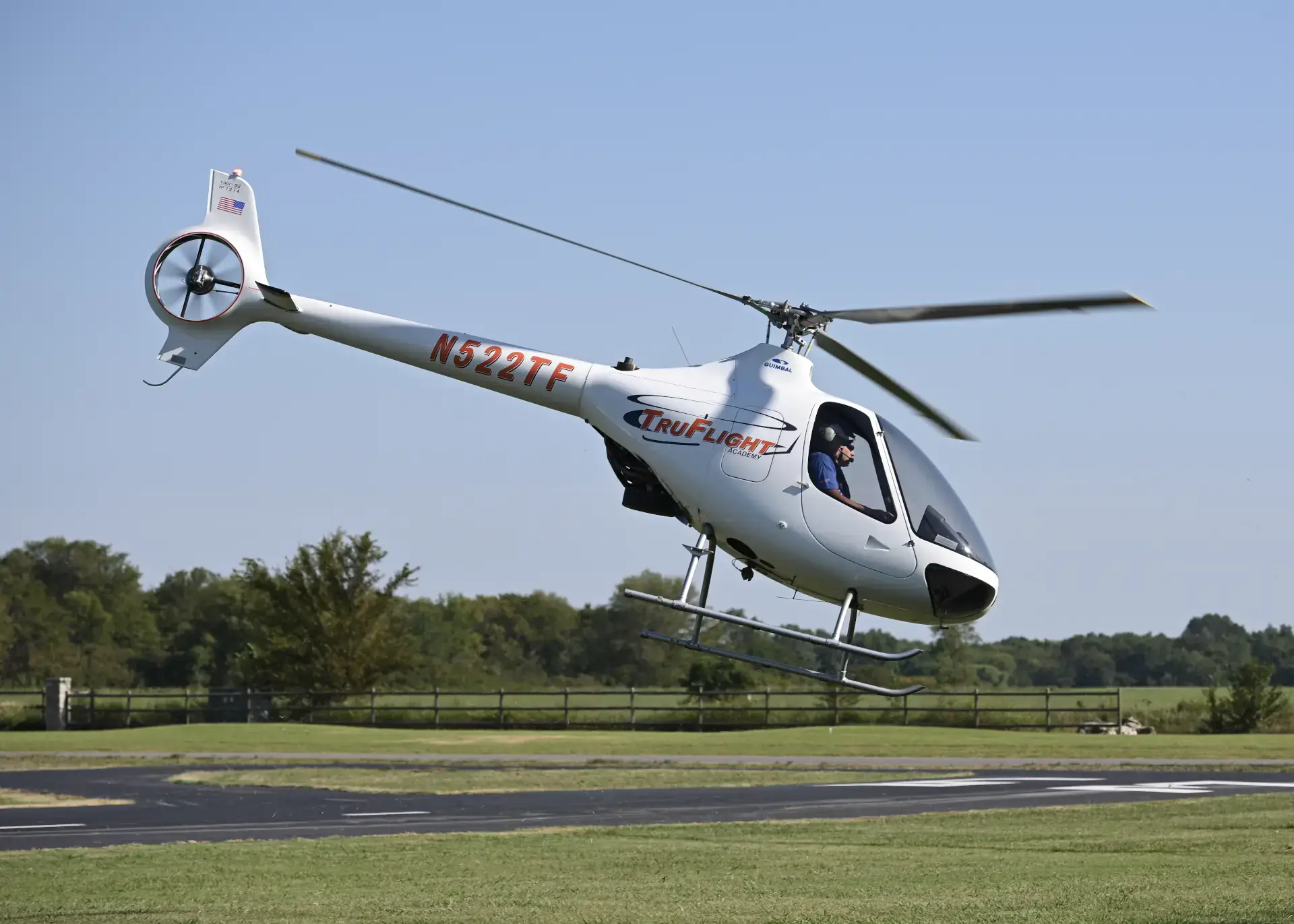
At TruFlight Academy, our students train in the Guimbal Cabri G2 and a flight lesson is always one instructor and one student. Here is what that looks like from your first briefing to your first solo, so you know what you are signing up for before you book.
A lesson starts before the rotors turn
Every flight begins on the ground. Your instructor briefs the lesson with you, going over what you will practice, what you are watching for, and what a good outcome looks like. You leave the briefing knowing the goal of the flight before you touch the controls.
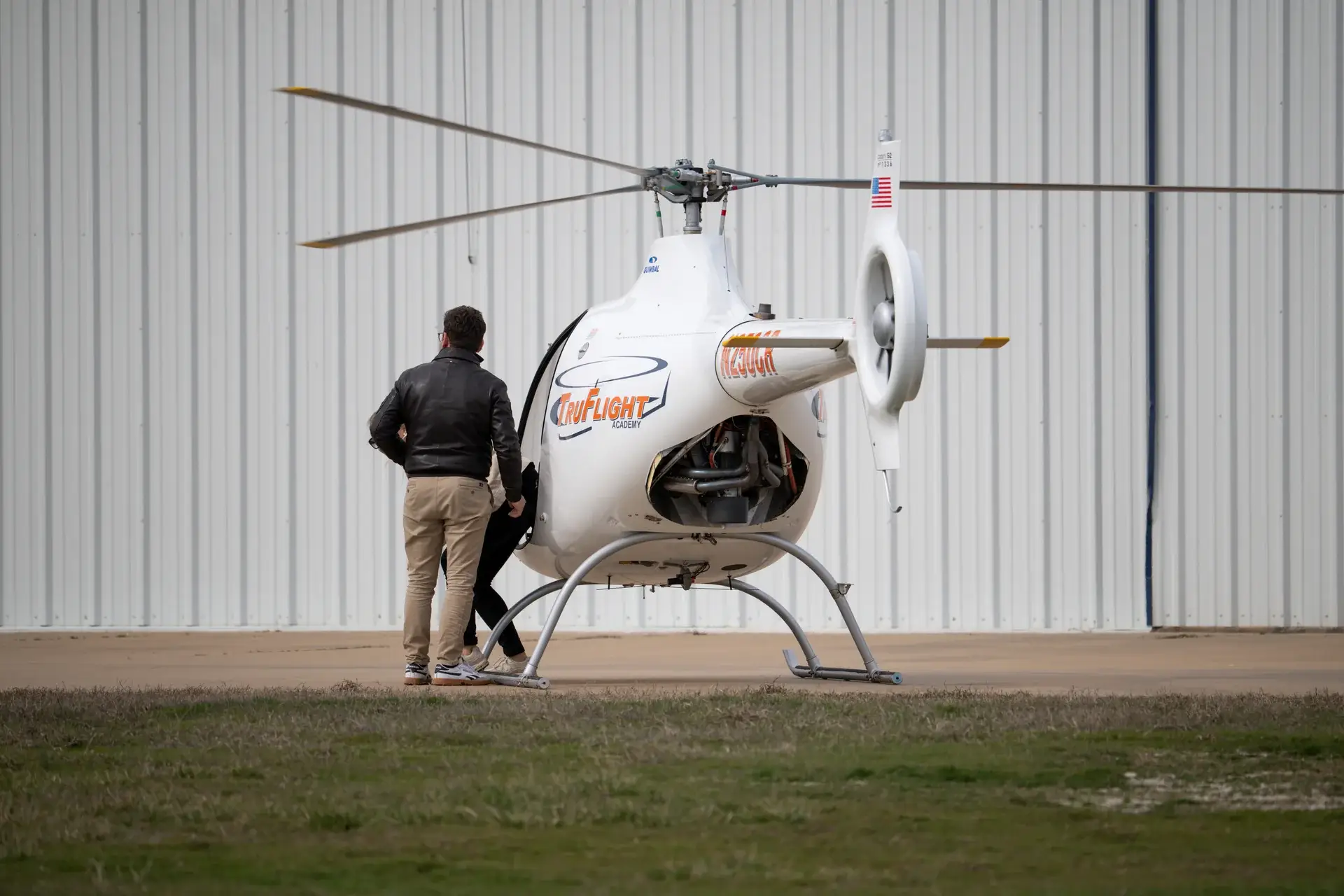
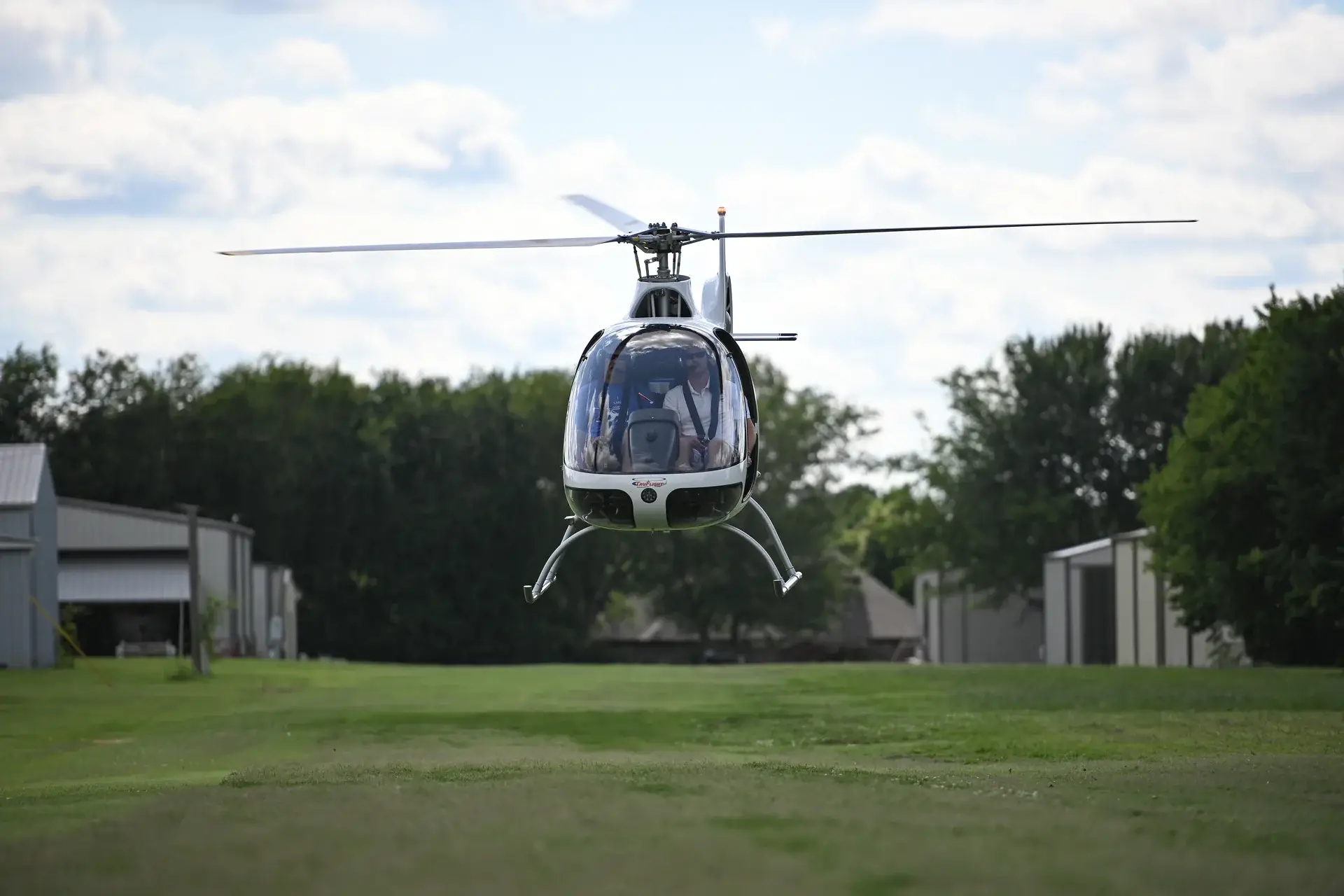
Then comes the preflight. You walk around the aircraft with your instructor, checking the helicopter the way a pilot does before every flight, and learning to see the details that keep a flight safe. A rotor system, a tail rotor, and a cockpit all reward students who look closely, and the walkaround is where that habit forms. Our Cabri G2 fleet is the aircraft you will get to know this well.
The two-seat cockpit changes how you learn
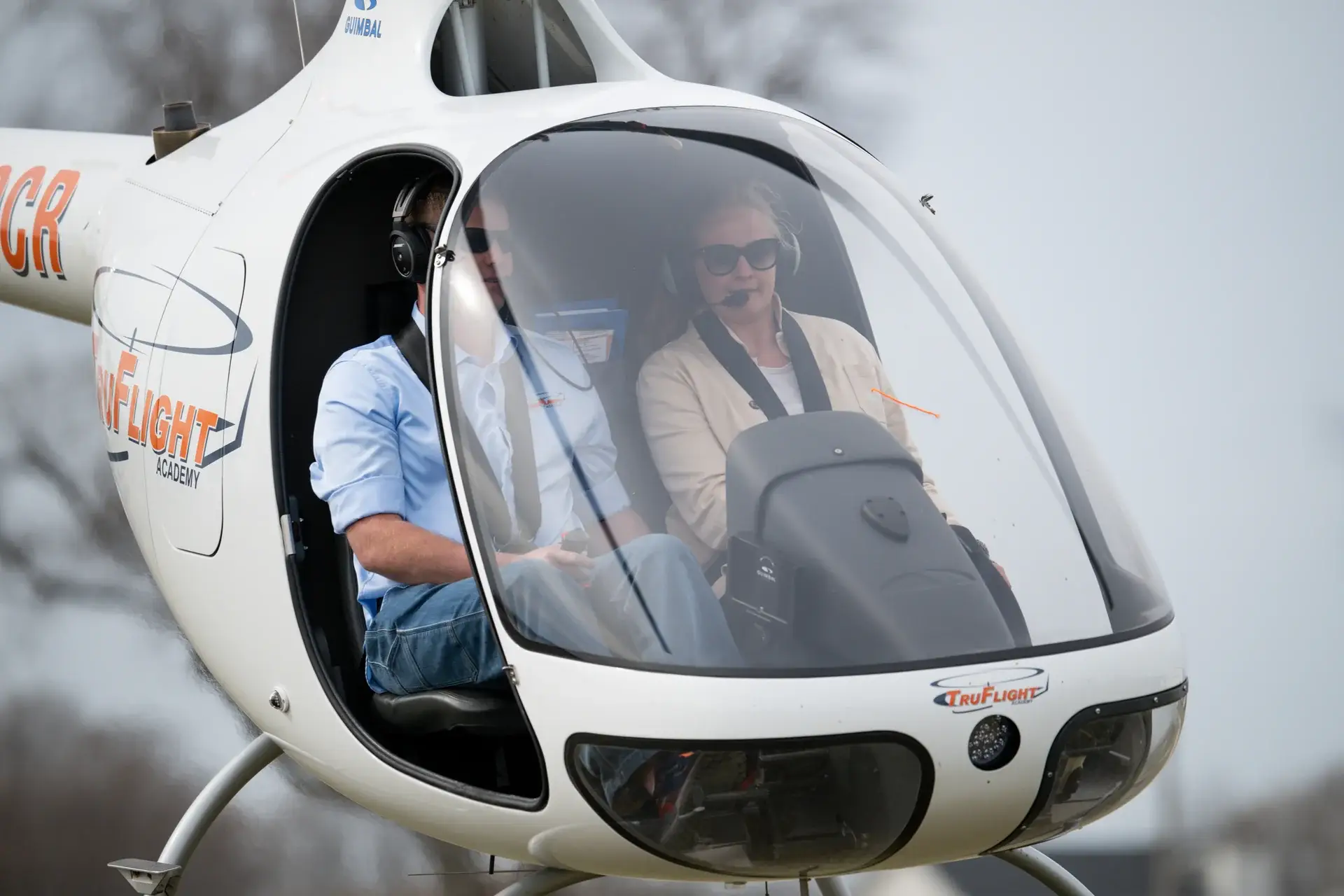
Sitting side by side with your instructor is the heart of the lesson. Your instructor sees what you see, hears what you hear, and can watch your hands and your scan in real time. When you drift off a hover, they can tell you what happened in that moment instead of after the flight.
Early lessons follow a rhythm. Your instructor demonstrates a maneuver, you try it, and the two of you trade control with a clear exchange so it is always obvious who is flying. A first hover is the classic example, and it is the challenge that makes helicopters so different from airplanes. The controls demand small, steady inputs, and one-on-one instruction lets your instructor coach each of those inputs while you feel them.
The same approach begins with a discovery flight. Your instructor briefs you on the controls, and with guidance you fly straight and level and try your first hover. Our Chief Pilot leads those briefings and can demonstrate any maneuver you would like to see.
What your instructor is watching while you fly
An instructor is doing several jobs at once. They watch your control inputs, your scan of the cockpit, your radio calls, and your decisions, and they choose the moment to speak up. Good instruction leaves room for you to solve the problem, then steps in with the correction that makes the next attempt cleaner.
Emergency training is part of the picture. Our students practice straight-in, pedal-turn, 180-degree, and 360-degree autorotations, the procedures that keep the rotor turning when power is lost. Doing that with one instructor beside you means the briefing, the demonstration, and the correction all come from the same person in the same flight. Read more about what that training covers in our helicopter safety guide.
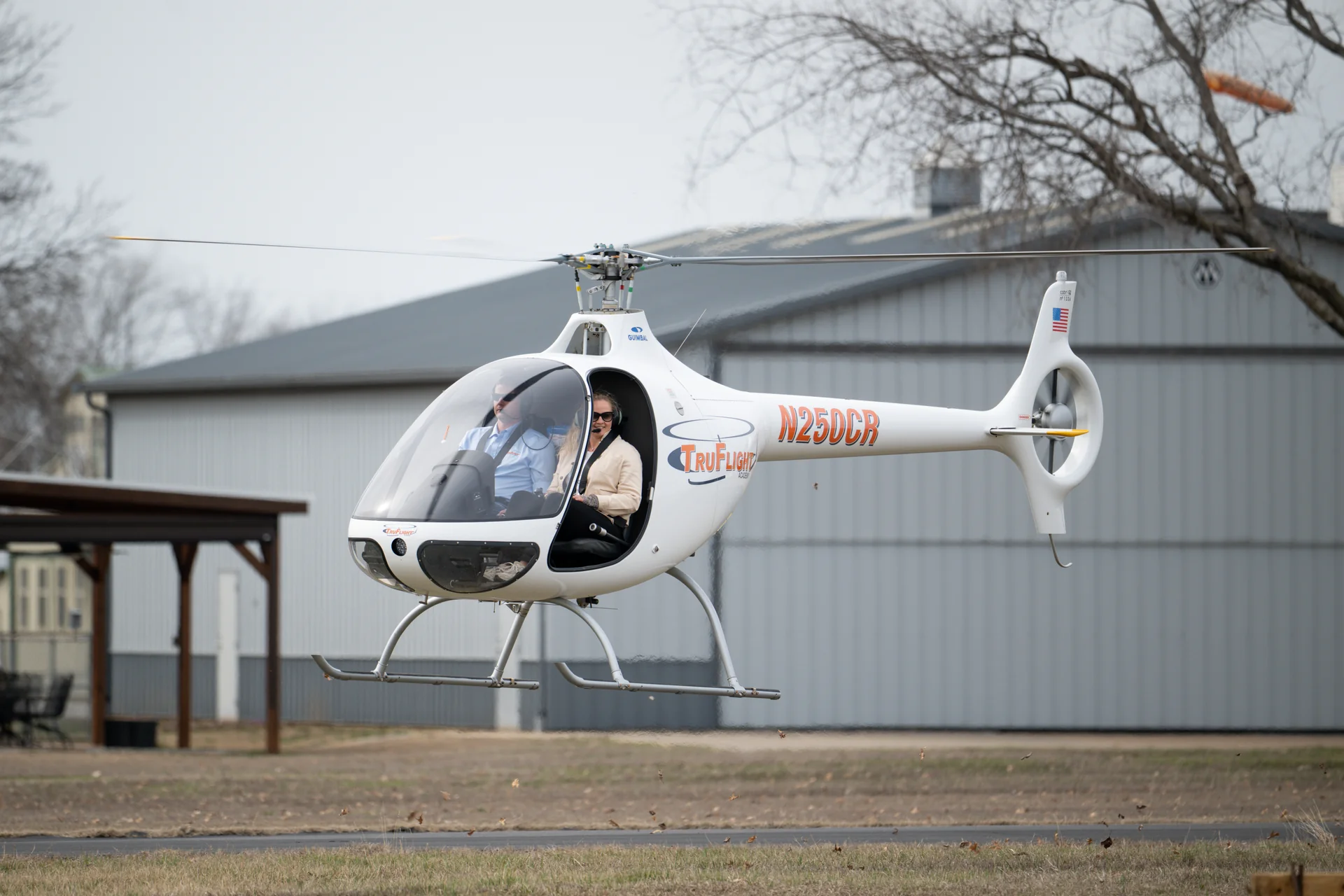
In a two-seat helicopter, the lesson happens shoulder to shoulder.
The debrief is where the lesson sticks
The landing is not the end of the lesson. Back on the ground, your instructor talks through what went well, what to sharpen, and what the next flight should build on. Because the flight is fresh, you can tie each note to something you felt in the controls.
Here is the loop in one place:
| Stage | What happens | What you take away |
|---|---|---|
| Briefing | You and your instructor set the goal for the flight | A clear objective before you start |
| Preflight | You inspect the helicopter together | The habit of checking before you fly |
| Flight | Your instructor demonstrates, you practice, and control passes back and forth | Skill built through repetition with feedback |
| Debrief | You review what you felt and what comes next | A plan for the next lesson |
Solo and beyond: how one-on-one hands you the aircraft
The purpose of all that attention is to hand you the controls. Your instructor watches for consistent aircraft control, procedural discipline, and calm decisions, and when those show up together, your first solo becomes possible. Before it happens, you also need a student pilot certificate, the applicable medical qualification, and your instructor’s endorsements. Our post on your first helicopter solo shows how that day comes together.
The same one-on-one approach carries you through the rest of the ladder. Your instructor recommends you for a checkride when you meet the applicable requirements and are ready, and our team helps plan the checkride with our examiner team. Your Private Pilot program is where all of it starts.
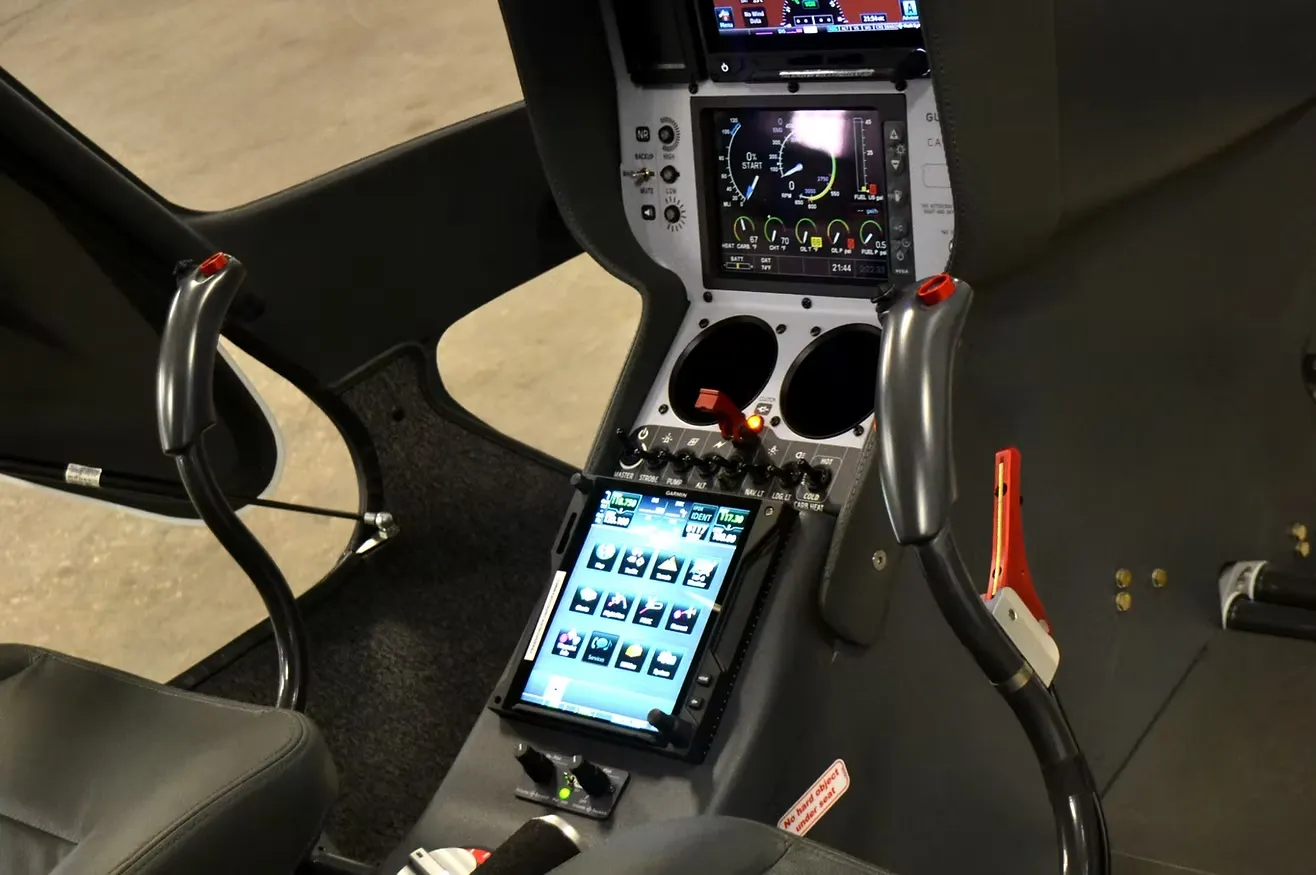
Your instructor sits beside you and can guide every input on the controls you see here.
What one-on-one asks of you
Personal attention pays off most when you bring something back. Preparation makes each lesson sharper: review your notes, chair-fly the procedure, and write down the moments that felt shaky. Your instructor can then spend flight time refining instead of introducing.
You also get out what you say. Tell your instructor when something is unclear, and ask for a second demonstration when a maneuver is not clicking. That honesty is the fastest route to the next milestone, and our post on the training timeline shows how preparation and pace fit together.
Instruction time is part of your budget too. Cabri time is currently $550 an hour, with fuel and instruction included, and pre-paid block rates of $535 and $520 an hour are available. Financing options may be available to qualified applicants, and you can compare everything on our pricing page.
Frequently asked questions about one-on-one training
Is every flight lesson really one instructor and one student?
Yes. The Cabri G2 is a two-seat helicopter, so your flight lesson is one instructor and one student. We build the lesson around where you are in your training.
Where do I sit compared with my instructor?
You sit side by side, which lets your instructor see your hands, your scan, and your view while you fly. That shared view makes coaching in the moment possible.
Who takes over if something goes wrong?
Your instructor guides every lesson and can take the controls at any time, and you practice emergency procedures, including autorotations, as part of training. Our safety guide explains the aircraft and the training behind it.
How often will I fly?
Your pace follows your proficiency and availability, since we provide Part 61 training shaped around your schedule. Our guide to how long training takes walks through the choices.
Can I try it before I commit to training?
Yes. A $195 discovery flight includes fuel and instruction, and it gives you the same one-on-one format in the same Cabri G2 our students use.
Feel a one-on-one lesson for yourself
The clearest way to understand this kind of training is to sit in the seat. Book a discovery flight and you will meet your instructor, hear the briefing, take the controls, and land with a debrief and a real sense of how our lessons feel.
Schedule your discovery flight and find out what it is like to have the cockpit conversation all to yourself.