Can You Get a Helicopter Pilot License? A 2026 Checklist
Can you get a helicopter pilot license? Run this 2026 checklist on age, English, medical, training path, and your weekly schedule before you enroll.
Before a pilot starts the rotor, there is a walkaround: a short, boring, useful check of the things that would ground the flight on the ramp instead of in the air. This post is that walkaround for your decision. If you are wondering whether you can get a helicopter pilot license, five quick checks will show you what is already in place and what you still need to line up before you pay for a single lesson.
The entry requirements are shorter than most people expect. You need to meet the FAA age requirement, read and speak English, plan for an FAA medical certificate, pick a training path, and make room in your week. A quick note on words: people search for a helicopter license, and the FAA issues a pilot certificate. We use both, and here they point at the same goal.
Check 1: Are you old enough to start and to finish?
You can begin lessons before you hold any paperwork. A student pilot certificate is generally available from age 16 and you need it before you fly solo, so most students handle it along the way with their instructor.
The number to know is 17. You must be at least 17 years old to earn the private pilot certificate in a helicopter. If you are younger than 17, you can plan ahead and start learning now. If you are older and wondering whether you missed your window, age is not the hurdle in this check. Medical fitness is the gate, and that is Check 3. For a wider look at the licensing steps from first flight to checkride, read our guide to a helicopter license in Texas.
Check 2: Can you read, speak, write, and understand English?
The FAA requires every applicant to read, speak, write, and understand English. It shows up in daily training. You will read study material, talk to air traffic control and other pilots on the radio, and write out your flight plans.
Even at Finney Field, where we train, our students use towered-airport radio discipline. You can see how we teach it in our helicopter safety guide.
You will also pass an FAA knowledge test (the written exam) after your instructor endorses you as ready. Plan for ground study alongside your flight lessons, so the exam material has a cockpit to attach to.
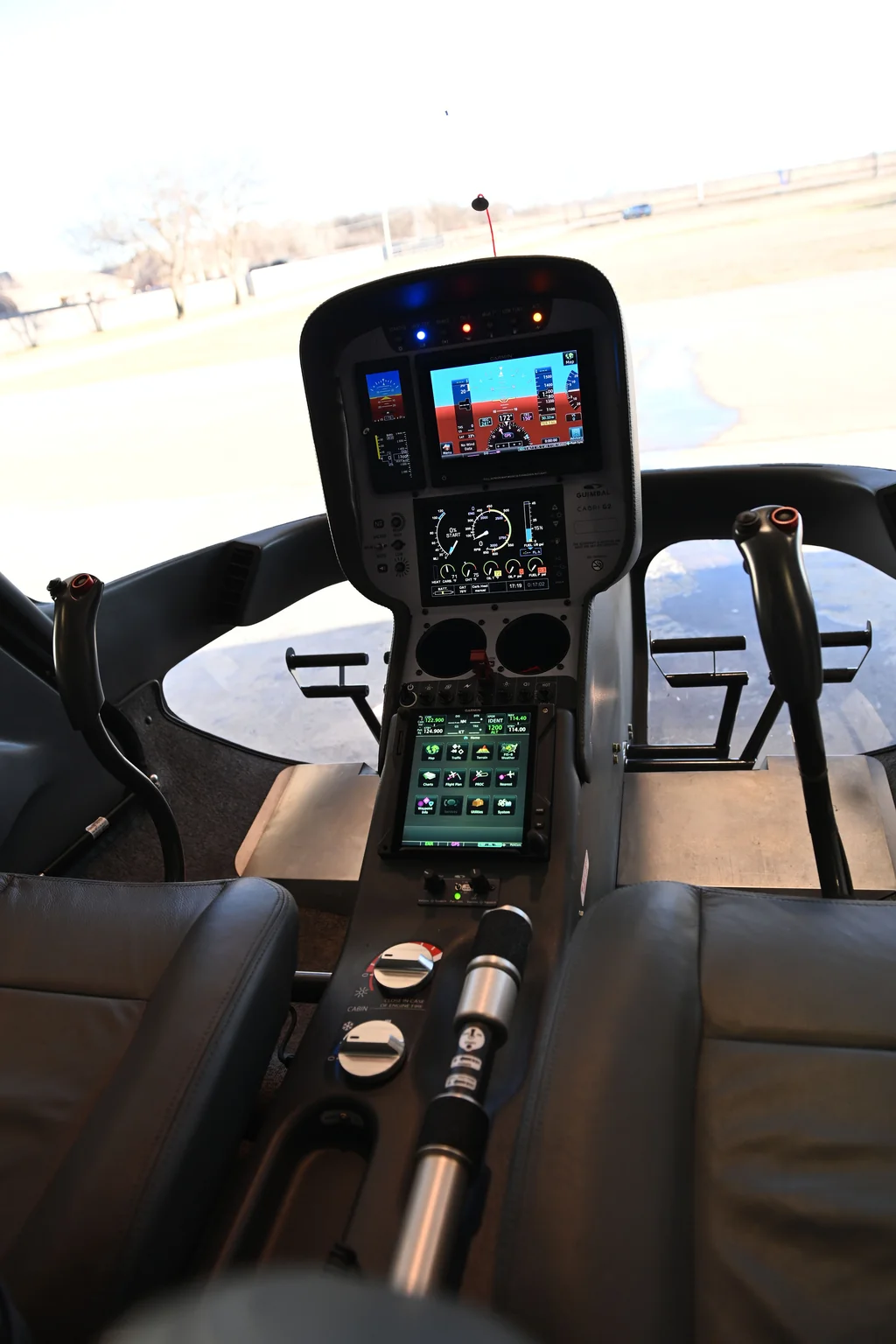
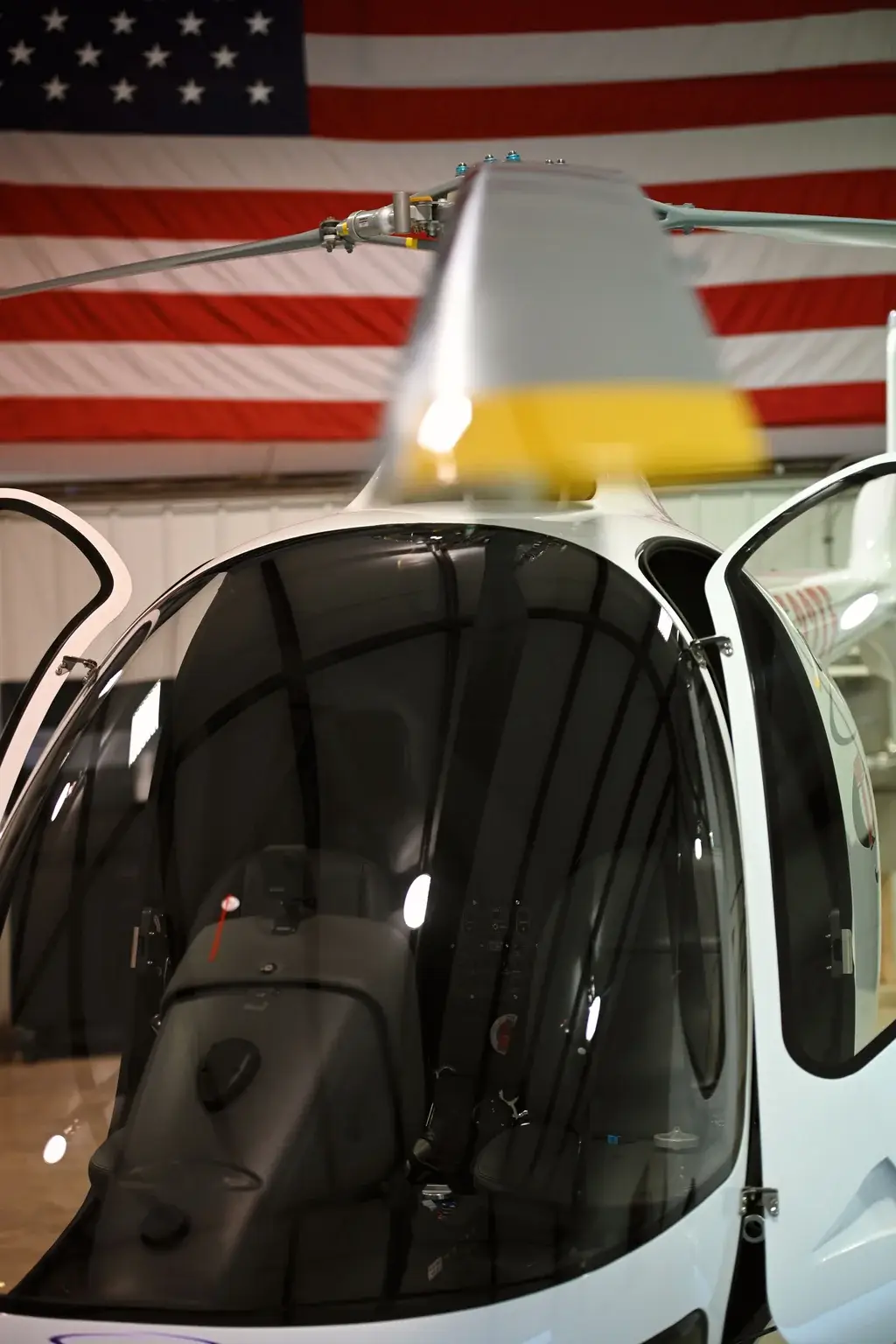
The Cabri G2 cockpit you will learn in at Finney Field.
Check 3: Have you planned for your FAA medical?
This is the check people skip, and it is the one worth doing early. An FAA medical certificate is generally needed before your first solo flight. For student and private pilot flying, the class you will usually hear about is third-class.
Medical certificates come from an Aviation Medical Examiner, called an AME. If you have a health question, a medication, or a past diagnosis you are unsure about, take it to an AME before you invest heavily in training. We are not doctors and we do not give medical advice, so that conversation belongs with someone who is.
Timing is the practical lesson here. Booking the exam early means you learn your answer while you are still deciding, not after you have flown for weeks. When you are ready to plan it into your schedule, contact us and we will talk through where it fits in your timeline.
Check 4: Do you know which training path fits your goal?
Here at TruFlight Academy, we teach under Part 61, the FAA rule set that lets a school build your lessons around your proficiency and availability. You move forward when you are ready, not when a class calendar says so.
The most common path starts with the Private Pilot program. A private pilot certificate is for flying you are not paid for: weekend flights, personal goals, and carrying passengers within the certificate’s limits. Many career-track pilots then add an instrument rating, a commercial pilot certificate, and a flight instructor certificate. That is a common route, not the only one, and our training order guide shows how the pieces connect.
If your goal is a career, the Zero-to-CFI plan lays out the milestones. Certification and employment are separate outcomes, so we help you build a realistic plan and do not promise a job. If you already hold an airplane certificate, a fixed-wing to helicopter add-on may save you steps.
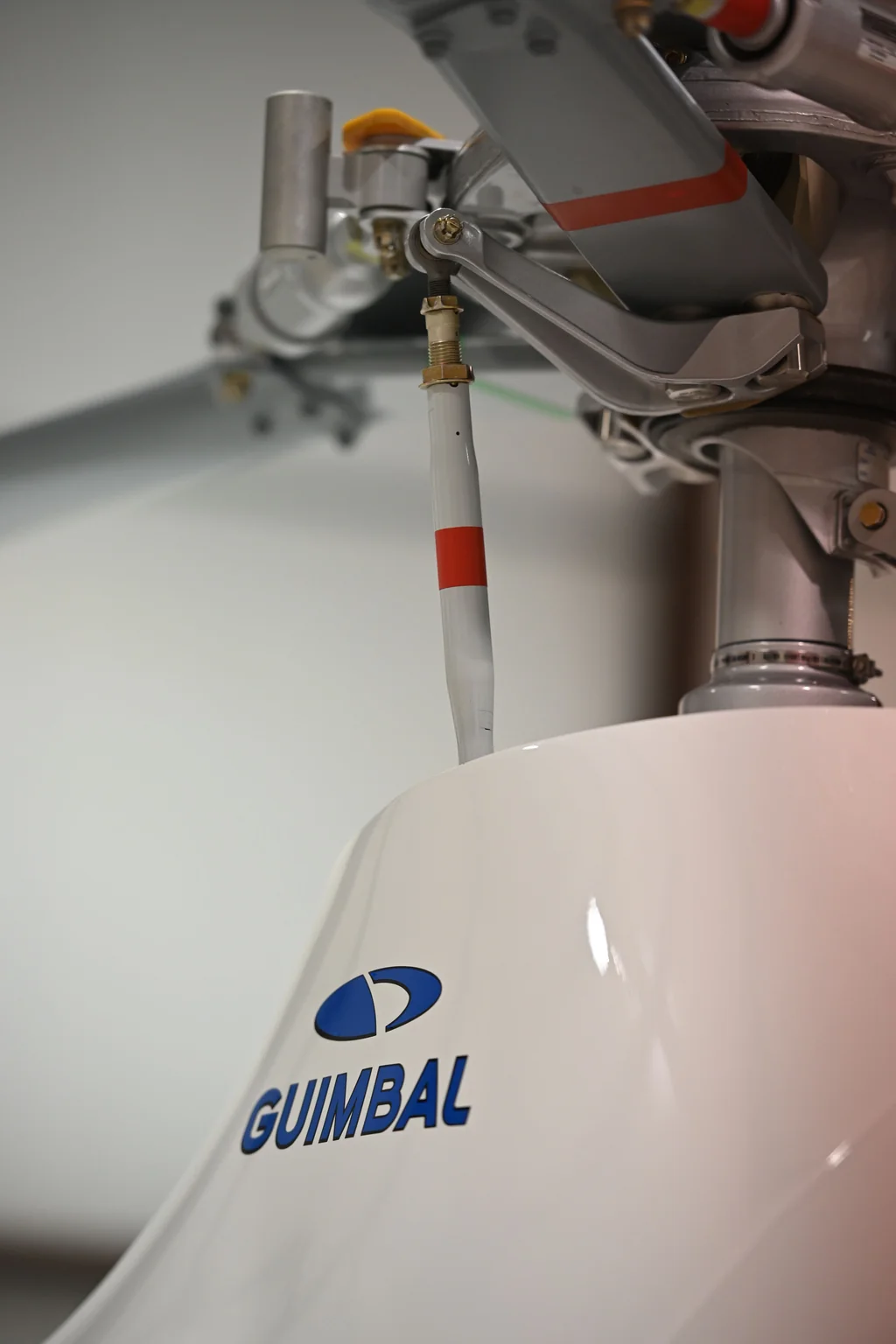
A preflight walkaround checks the machine. This checklist checks your plan.
Check 5: Is your week ready for lessons?
This check keeps training on schedule. Lessons that land close together, with study filling the gaps, build skill steadily. The FAA minimum flight hours are a floor, and your own pace sets the real schedule. Our timeline guide walks through what speeds a student up and what slows one down.
Open your calendar and answer four questions:
- How many hours can you protect each week for lessons and study?
- How far are you from Howe, and would lessons closer to home help?
- What will move when weather reschedules a flight?
- How will you pay for training in stages that fit your budget?
Working adults can make this work when they plan around their real week. Our post on learning to fly with a full-time job shows how.
Distance has an answer too. We offer mobile lessons at select airports, and you can read how they work in our mobile training post. Tell us the airport you have in mind and we will confirm what is possible.
Money is part of readiness. Our pricing page has current rates, and financing options may be available to qualified applicants. We are happy to walk you through them, and our admissions team will build an estimate around your starting point.
Read your results before you enroll
Count how many checks you can answer with a clear yes today.
| Check | You are ready when | What we help you clarify |
|---|---|---|
| Age | You are 17 or older, or you know the date you will be | When to start the student pilot certificate, which you need before solo |
| English | You can read, speak, write, and understand it | How radio calls and ground study fit your first lessons |
| Medical | You have talked with an AME, or booked the exam | Where the exam sits on your training timeline |
| Training path | You can say which certificate comes first and why | Your sequence, from Private Pilot onward |
| Your week | You have a lesson rhythm and a budget plan | Schedule, lesson location, and pricing |
Five clear answers mean you are ready to start. One or two open answers are normal, and most of them take a phone call or an appointment to settle. Close those first, so a gap costs you a phone call and not a lesson.
Questions readers ask before they enroll
Do I need a student pilot certificate before my first lesson?
No. You can take lessons first. You need the certificate before you fly solo, and your instructor will guide you through it.
Do I need flight experience?
No. Our discovery flight is built for people who have never flown a helicopter, and training starts from where you are today.
Does a helicopter license guarantee a job?
No. A private pilot certificate is for flying you are not paid for. A commercial certificate allows paid flying, and jobs depend on many other things. Our career page gives market context with the same caution.
How long will training take?
It varies with your schedule, weather, aircraft availability, and how quickly skills settle in. The FAA sets minimum hours, and most students plan around their own pace. Our timeline guide breaks it down.
What happens at the end?
You take a practical test, called a checkride, with an FAA examiner. With an examiner on our own staff, your checkride is part of the training plan. Meet our team on our dedicated DPE page.
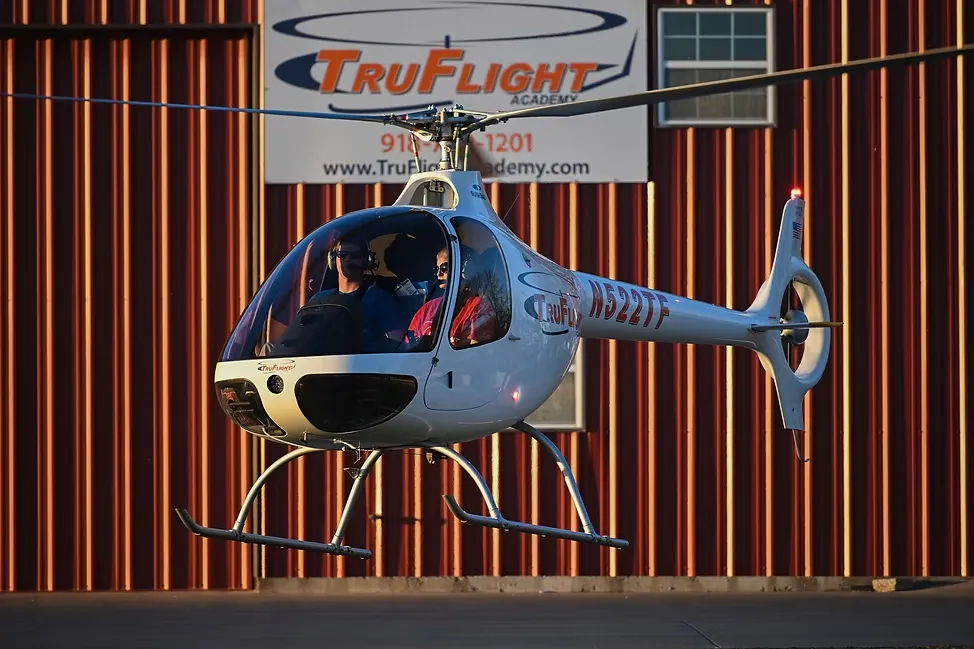
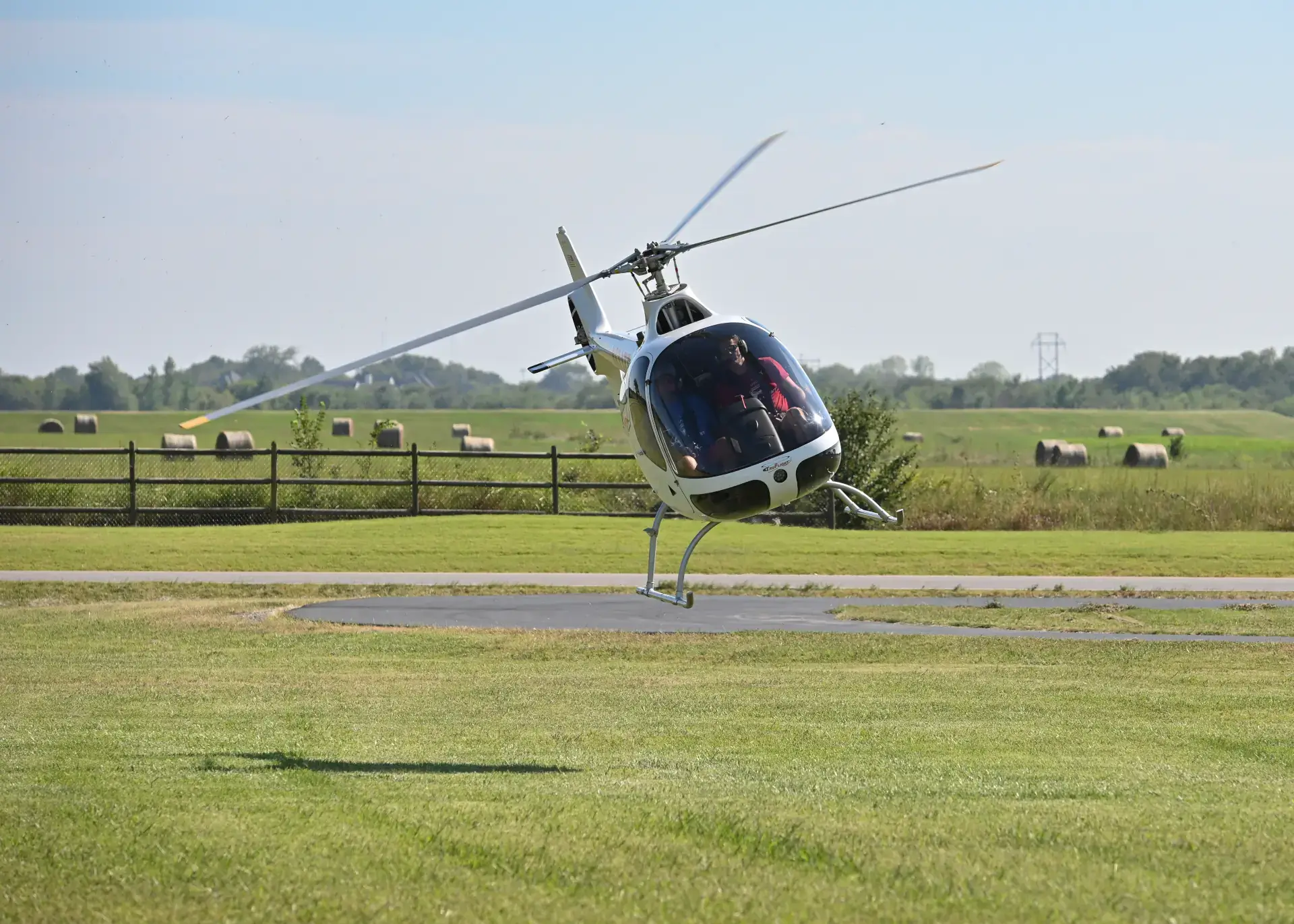
A discovery flight puts you in the cockpit with an instructor beside you.
Test your answers in the air with a discovery flight
You can read a checklist all day, and a hover will teach you more in a few minutes. On a discovery flight you take the controls with an instructor, fly straight and level, and try hovering when conditions allow. No flight experience is needed, and booking one does not obligate you to enroll.
Book your discovery flight, then bring your five answers with you. We will go through them together and help you plan your next step.