Recreational Helicopter Flying License: Is Private Enough in 2026?
Want a helicopter flying license for recreational purposes? See what a private certificate lets you do in 2026, which goals fit, and when you might want more.
Picture a quiet evening, headset on, the Texas fields sliding by under the nose of a helicopter you are flying yourself. Now picture that without a job attached. If a recreational helicopter flying license is what you want, the first question is simple: is a private certificate enough, or do you need to sign up for something bigger?
For most hobby goals, the answer is yes, private is the right certificate. It is built for flying you are not paid for, with room to take passengers along within its limits. A quick word on terms: people search for a helicopter license, and the FAA issues a pilot certificate. We use both, and here they point to the same goal. This post matches the private certificate to the reasons people actually fly, then shows the few moments when you might want more.
What a private certificate lets you do
A private pilot certificate is for noncommercial flying. In everyday terms, you fly for your own reasons and you are not paid for it. It is the certificate behind weekend flights, personal trips, and the long-planned goal you have carried around for years.
You can also carry passengers, within the limits of your certificate, ratings, endorsements, and the operating rules. That is the part many first-time readers do not expect: the friend, partner, or parent who has always wanted to see the view from a helicopter can be in the other seat. Federal rules let you split certain direct costs of a flight with passengers, and you pay at least your own share. Talk with your instructor before you plan one, because the details matter.
The certificate is not a job credential. A private pilot certificate does not let you charge for rides or fly for pay. If paid flying is a goal, a commercial pilot certificate allows certain paid flying, and our Private Pilot program is where the whole path begins either way.
Getting there is a defined process. You need to meet the age, English, medical, and knowledge-test steps, and our eligibility checklist walks through each one before you spend anything.
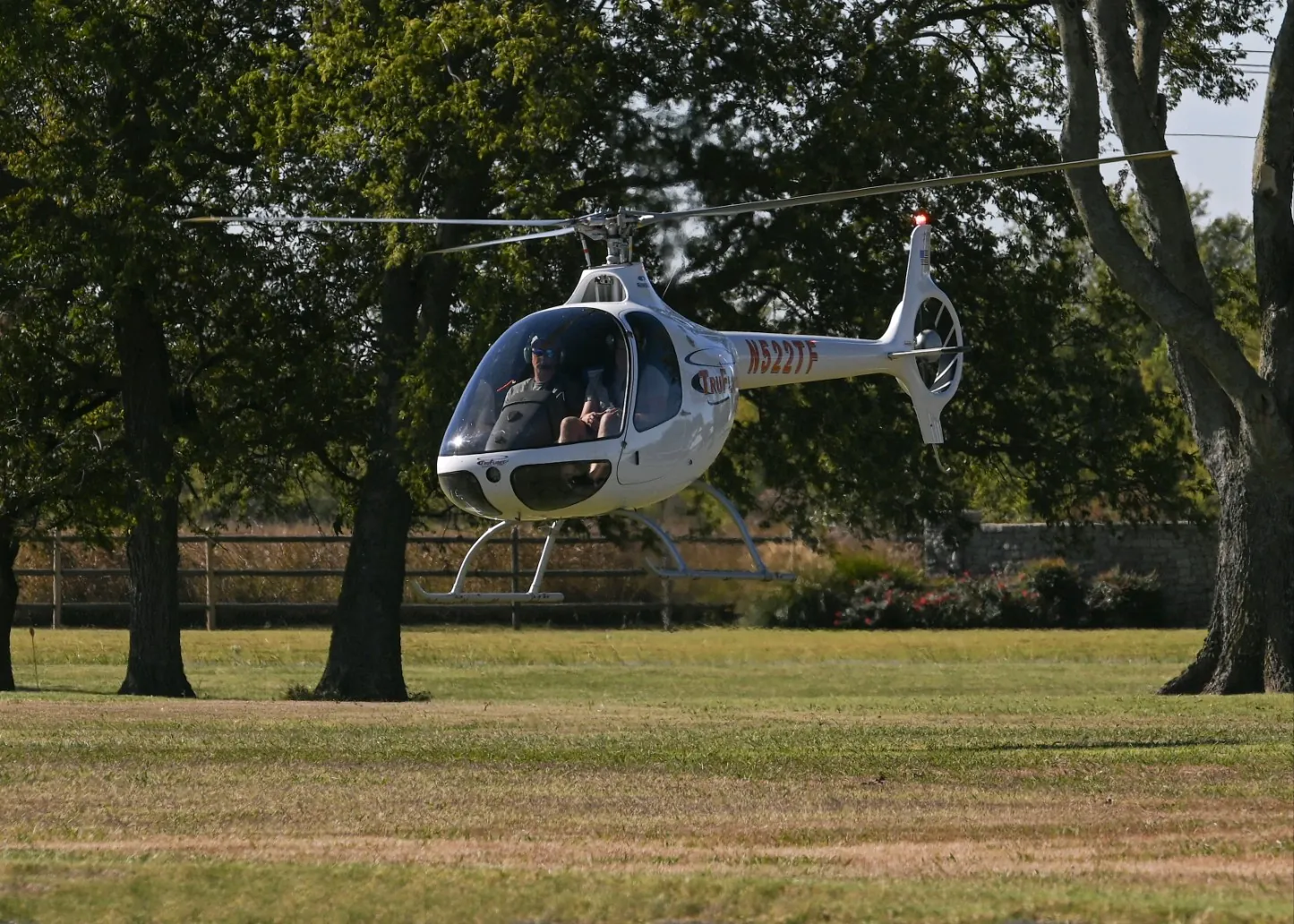
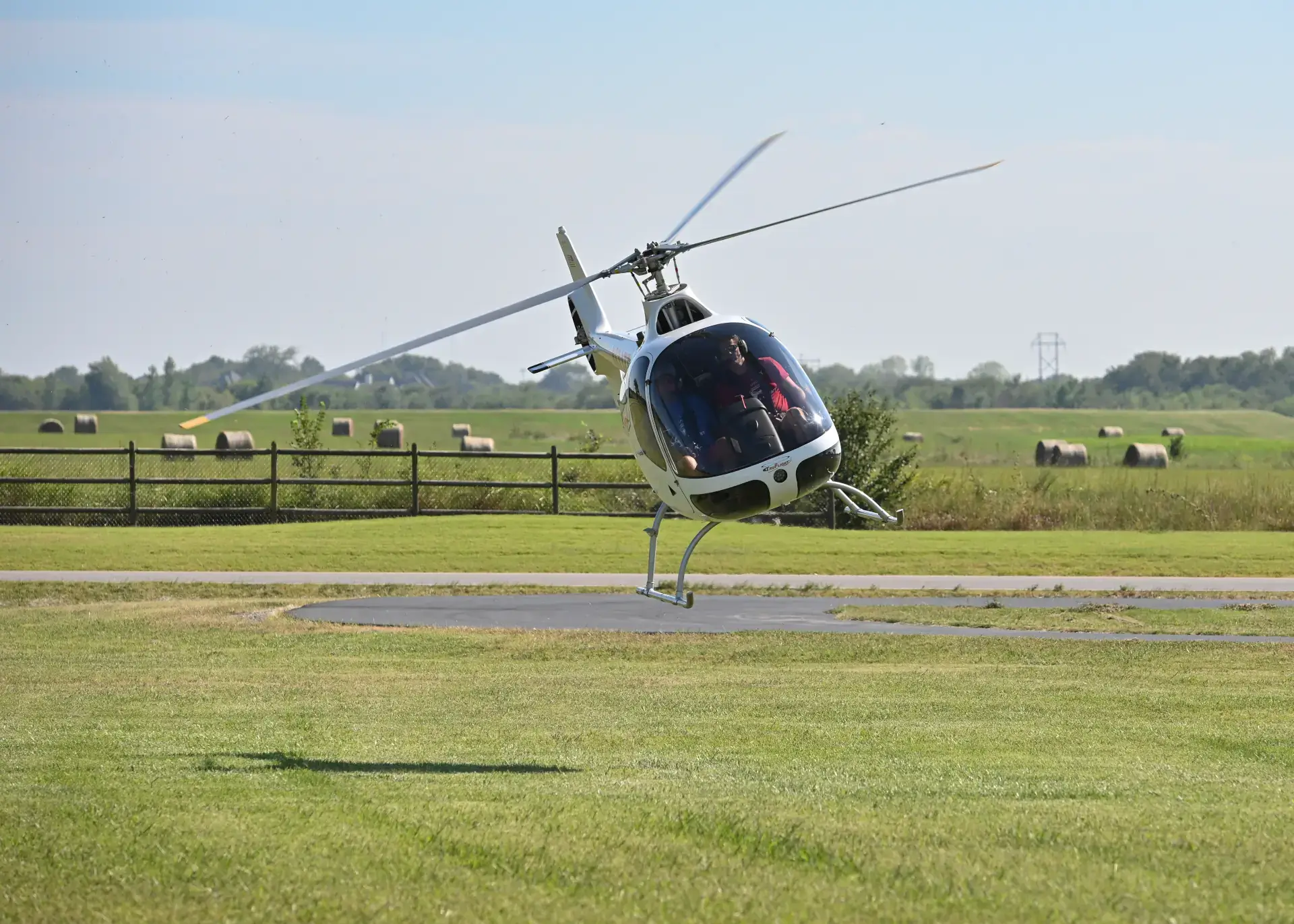
Private pilot training starts with a calm, well-briefed lift-off.
Which personal goals a private certificate fits
Most reasons people give for learning to fly a helicopter recreationally land squarely inside private privileges. Here is how the common ones line up.
| Your goal | Does private cover it? | How we help you plan it |
|---|---|---|
| A lifelong dream | Yes. This is the heart of the private certificate. | We build the lessons around your pace and your schedule in our Private Pilot program. |
| Scenic flying | Yes, as the pilot flying for your own enjoyment. | We help you choose practice flights and routes that build skill. |
| Flying friends and family | Yes, within the limits of the certificate. | We teach passenger briefings and good habits for the other seat. |
| Adventure and new places | Yes, with the planning skills you build in training. | Cross-country planning is part of your learning. |
| Staying sharp as a hobby | Yes, with regular practice. | We talk through how to keep flying after your checkride. |
Notice what is missing from that table: a job. Certification and employment are separate outcomes, and a hobby goal does not need the second one. If you want the whole picture of how the certificates connect, our training order guide lays it out.
What a day of hobby flying actually involves
The scenic version of flying looks effortless from the ground. Behind it sits a rhythm that every private pilot learns: a plan, a preflight walkaround, a briefing, the flight, and a debrief. We train that rhythm from the first lesson, because it is the habit that makes recreational flying calm instead of rushed.
Here at TruFlight Academy, we teach under Part 61, the FAA rule set that lets a school build your lessons around your proficiency and availability. You move forward when you are ready, not when a class calendar says so. Every lesson is one instructor and one student, and we fly two Guimbal Cabri G2s out of Finney Field in Howe, just north of McKinney. If you like the idea of training in a modern, glass-panel helicopter, our helicopter safety guide explains how we think about the aircraft and the habits around it.
Fun flying still asks for care. Staying current is part of the hobby. Regular practice keeps your skills fresh, and a pilot who flies every so often feels the difference. A private certificate pays off for the pilot who keeps practicing.
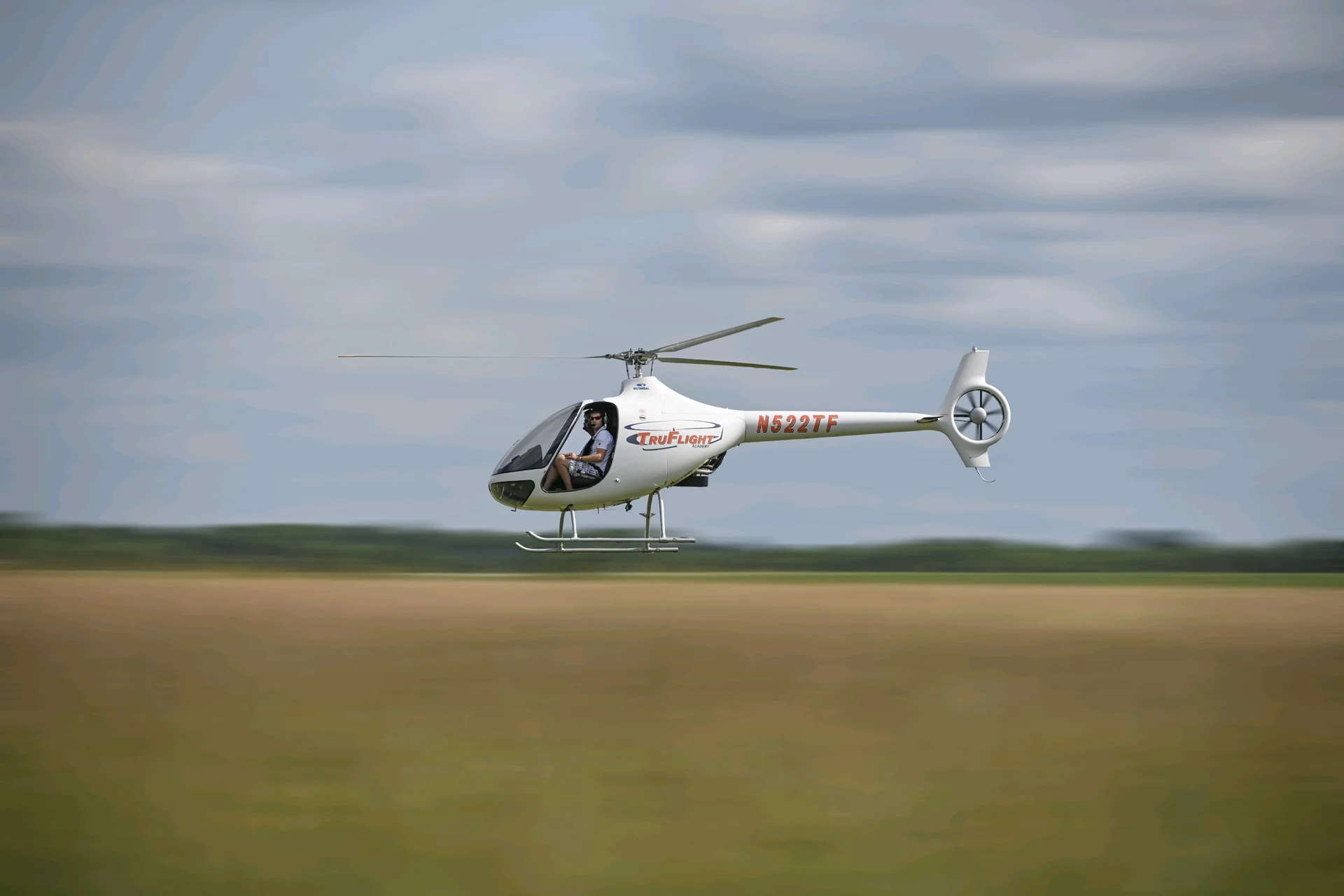
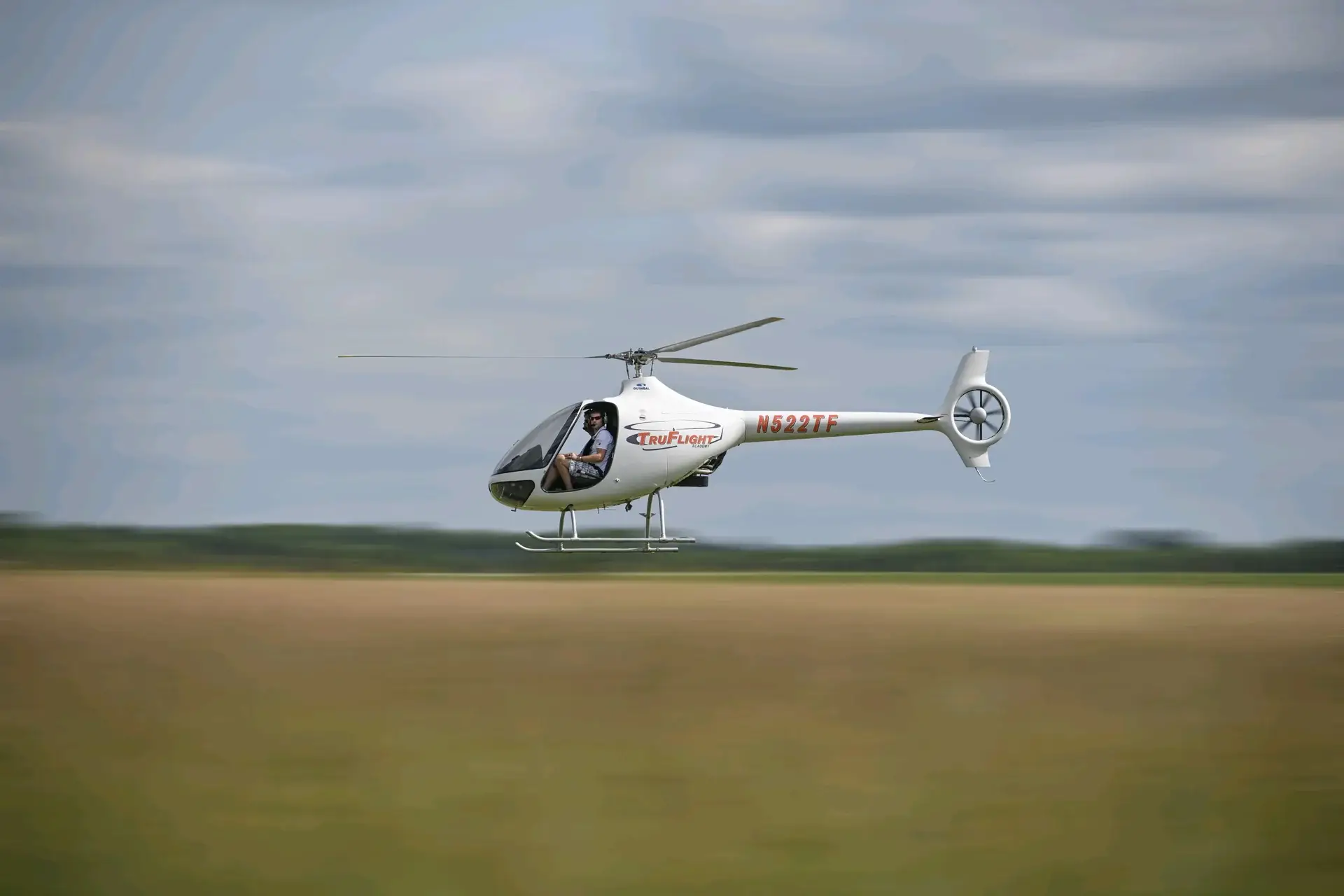
Flying low over open country is the reason many people start.
The practical limits worth knowing before you enroll
Private privileges are generous for personal flying, and they have edges. Knowing them early keeps your expectations honest.
The big one is pay. As a private pilot you are flying for yourself, so tours, paid rides, and compensation are outside the certificate. The private certificate does not turn into a side business. If a paying gig is what you want, that is a different certificate and a different conversation.
Medical readiness also matters. An FAA medical certificate is generally needed before your first solo flight, and questions about eligibility belong with an Aviation Medical Examiner. We are not doctors and we do not give medical advice, so booking that conversation early is the smart move.
Time and budget are the practical edges. The FAA sets minimum hours, and those minimums are a floor. Your real schedule depends on weather, aircraft availability, and how quickly skills settle in. Our training timeline guide breaks down what speeds a student up and what slows one down. Our pricing page has current rates, and financing options may be available to qualified applicants, so we are happy to walk you through them. Our admissions team will build an estimate around your starting point.
Distance can be handled too. We offer mobile lessons at select airports, and you can read how they work in our mobile training post. Tell us the airport you have in mind and we will confirm what is possible.
When you might want more than private
Plenty of private pilots stay private for life. Others find their goals grow, and it helps to know what the next steps look like before you start.
Many people add an instrument rating later. It is added to your pilot certificate, and it is the usual choice for a pilot who wants more weather flexibility and more precision in how they fly. Our instrument rating program is built for that.
Others discover that the flying itself is what they love, and start asking about paid work. If that happens, a commercial certificate allows certain paid flying, and jobs depend on many other things. We do not promise a job. If your goals change, our Zero-to-CFI plan shows how the milestones connect, and you can build on your private certificate when you are ready.
For a fixed-wing pilot, there is another route. If you already hold an airplane certificate, a fixed-wing to helicopter add-on may save you steps.
Questions readers ask before they pick a certificate
Is a private pilot certificate enough to fly a helicopter recreationally?
Yes. It is the certificate for flying you are not paid for, and it lets you carry passengers within its limits. Our license overview for Texas covers the full path.
Can I carry friends and family?
Yes, within the limits of your certificate, ratings, and the operating rules. Your instructor will walk you through passenger briefings as part of your training.
Can I get paid to fly with a private certificate?
No. A private pilot certificate is for flying you are not paid for. A commercial certificate allows certain paid flying.
Do I need to commit to a career path to start?
No. You can begin with our Private Pilot program and stop there. If your goals grow, you can build on that certificate later.
How long will it take?
It varies with your schedule, weather, aircraft availability, and how quickly skills settle in. The FAA minimums are a floor, and our timeline guide helps you plan around your own pace.
Can I keep flying after I earn the certificate?
Yes. Staying current takes regular practice. Contact us to talk through rental options once you hold your certificate.
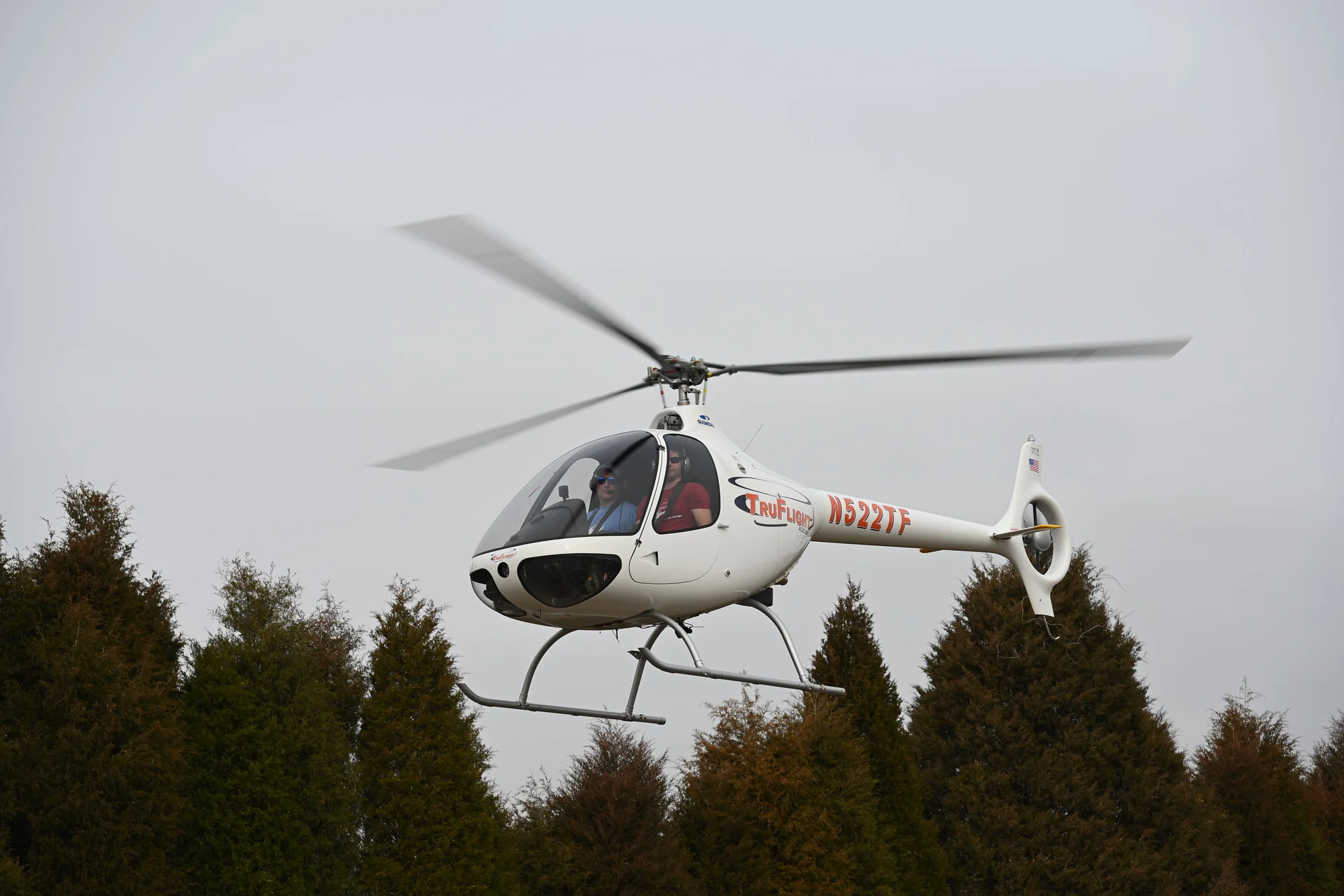
A discovery flight puts you at the controls with an instructor beside you.
Feel your first hover before you decide
You can read about recreational flying all day, and a hover will teach you more in a few minutes. On a discovery flight you take the controls with an instructor, fly straight and level, and try hovering when conditions allow. No flight experience is needed, and booking one does not obligate you to enroll.
Book your discovery flight, then bring your goals with you. We will help you decide whether private is the right fit.