Helicopter License vs Certificate vs Rating: Terms in 2026
Helicopter license vs certificate vs rating: learn what the FAA actually issues, what you earn at each step, and the words to use with a school.
Picture a first phone call to a flight school. You say you want a helicopter license, and the person on the other end asks, “Private, instrument, or an add-on?” Those words decide which program you start and what your first lesson covers. This guide gives you the helicopter license vs certificate vs rating answer in plain English, so that call goes your way. If you are still checking whether you can start at all, our eligibility checklist comes first.
The short version: people search for a helicopter license, and the FAA issues a pilot certificate. A certificate is the level you hold. A rating is an added authorization on it, and an endorsement is your instructor’s signed sign-off in your logbook. Each one shows up in your training, so each one is worth ten minutes now.
Three words that sound alike and mean different things
“License” is the everyday word, and we use it too, because it is the word you type into a search bar. The FAA word is certificate, so that is what ends up in your hands. A “helicopter pilot license” and a “helicopter private pilot license” both point to the same thing: a private pilot certificate with a helicopter rating on it.
| Term | What it is | A helicopter example | What it means for your training |
|---|---|---|---|
| Certificate | The level of pilot credential the FAA issues | Student, private, commercial, flight instructor | It sets the big step you are working toward |
| Rating | An authorization added to a certificate | Rotorcraft-helicopter, instrument-helicopter | It tells everyone what you are cleared to fly or do |
| Endorsement | An instructor’s signed sign-off in your logbook or training record | Solo, or ready for the knowledge test or practical test | It shows your instructor saw you meet the standard |
| Add-on | A school’s name for adding a rating to a certificate you already hold | A fixed-wing pilot adding helicopter | You keep your certificate and gain a rating |
Think of the certificate as the title of a book and the ratings as its chapters. Pilots add chapters over the years, and the title changes only when they move up a level. If you want the longer story behind the words in everyday searches, our post on a helicopter license in Texas covers the steps from first flight to checkride.
Why your certificate says “rotorcraft-helicopter”
Every aircraft sits in a category and, inside it, a class. Rotorcraft is the category. Helicopter is a class inside it, and gyroplane is the other. So the rating you will see on a helicopter pilot’s certificate reads rotorcraft-helicopter. That is the line that says you may fly helicopters, and an airplane rating will not cover it.
This is why a fixed-wing pilot still has to train before flying a helicopter. Holding a pilot certificate in airplanes tells the FAA you can fly airplanes. A new category and class needs its own instruction and its own practical test. Our fixed-wing to helicopter add-on guide shows how that plays out for pilots who already hold a certificate.
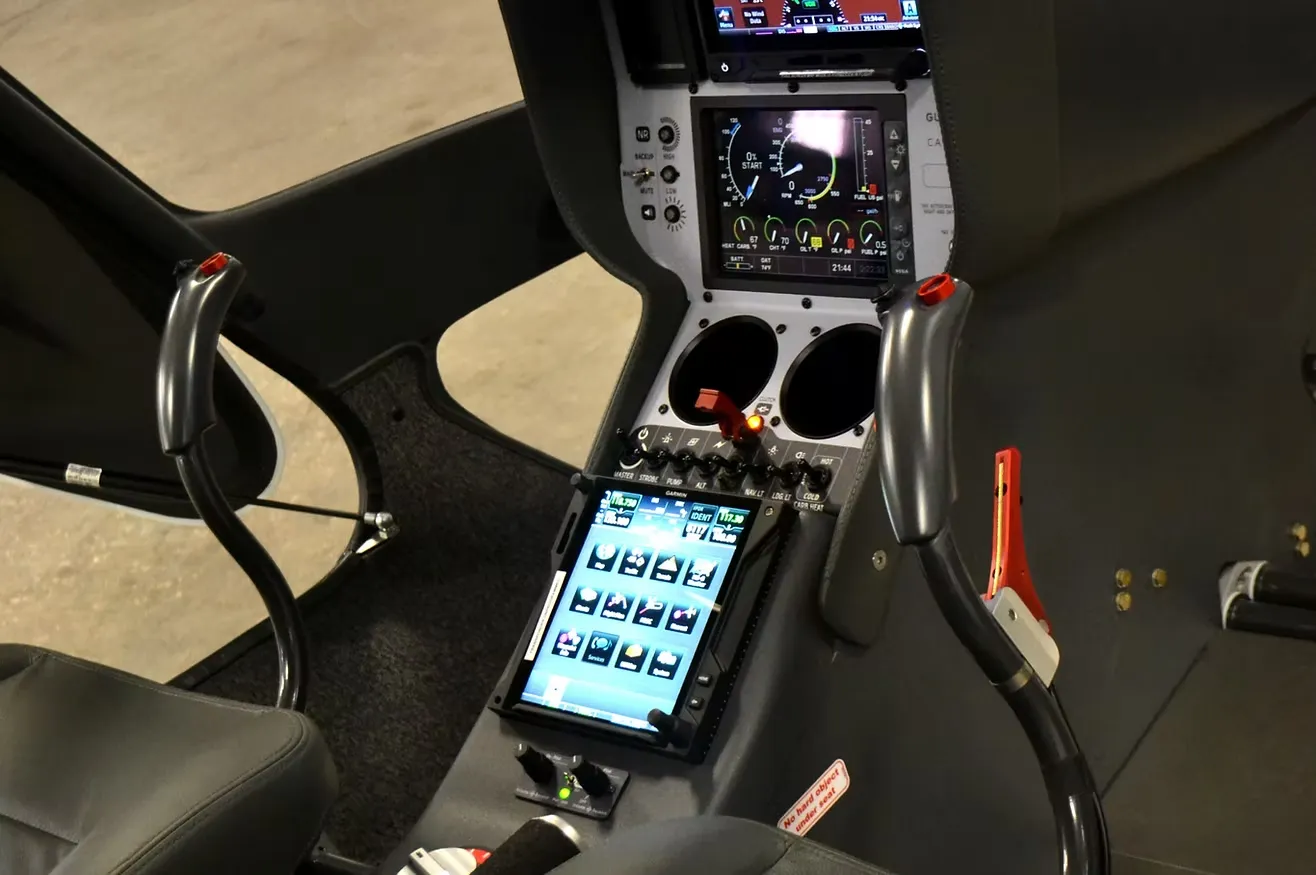
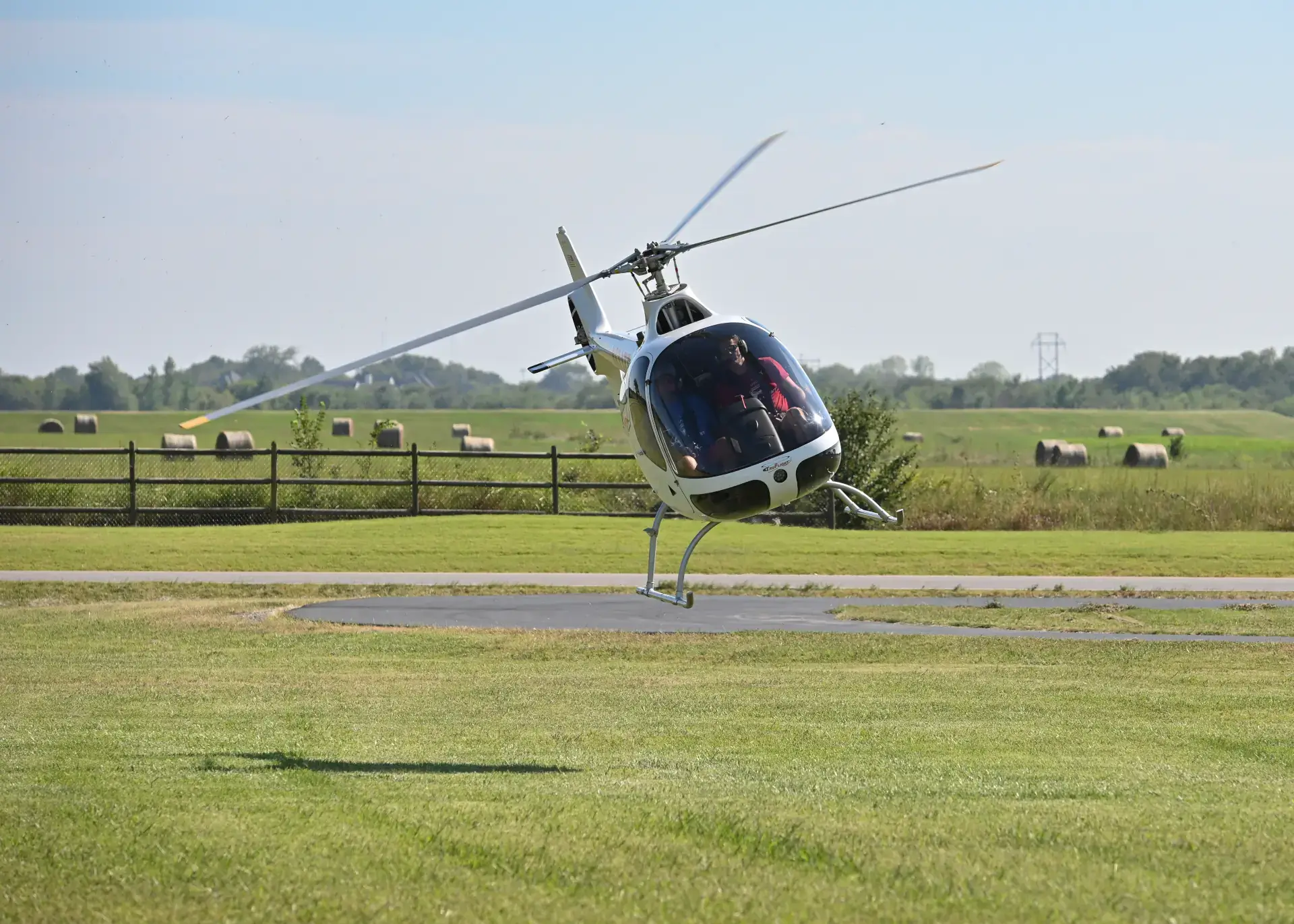
Helicopter controls are why the FAA gives helicopters their own category and class.
What you earn at each step with us
Here at TruFlight Academy we teach under Part 61, the FAA rule set that lets us build lessons around your proficiency and your calendar. Each step below is a different thing in your wallet and your logbook. Our training order guide explains the sequence, so this table sticks to the words.
| Step | What you earn | Certificate, rating, or both |
|---|---|---|
| Student pilot | A student pilot certificate, needed before your first solo | A certificate |
| Private Pilot | A private pilot certificate with the rotorcraft-helicopter rating | A certificate and a rating |
| Instrument Rating | The instrument-helicopter rating, added to a certificate you hold | A rating |
| Commercial Pilot | A commercial pilot certificate with helicopter privileges | A certificate |
| Certified Flight Instructor | A flight instructor certificate with its own ratings | A certificate and ratings |
A few details are easy to miss. You do not need the student pilot certificate to start lessons. You need it before you fly solo, and your instructor walks you through it. The instrument step is a rating, so you will never hold an “instrument certificate.” And the commercial step allows certain flying for pay, but certification and employment are separate outcomes. Our Zero-to-CFI plan shows how we connect each milestone to the next one without promising a job.
The flight instructor certificate carries ratings too, matching the aircraft you are cleared to teach in, and it lets you instruct within those ratings.
Add-ons: a new rating on the certificate you already hold
An add-on is for the pilot who has a certificate and wants a helicopter rating to go with it. You keep your certificate. A rating joins it after you finish training, collect an instructor endorsement, and pass a practical test with an examiner. With an examiner on our own staff, the checkride sits inside your training plan. You can meet the team on our dedicated DPE page.
Our add-on programs follow the certificate you already carry:
- Private Helicopter Add-On for pilots who hold a private certificate or higher.
- Instrument Helicopter Add-On for pilots who are already instrument-rated in fixed-wing aircraft.
- Commercial Helicopter Add-On for pilots who hold a commercial certificate.
- CFI Helicopter Add-On for current flight instructors who hold a commercial pilot certificate with a helicopter rating.
- Turbine Transition Add-On for pilots who want training in their own turbine helicopter.
Turbine Transition is aircraft-specific training. It does not move you up a certificate level, and whether a given aircraft calls for a type rating depends on the aircraft. We sort that out in your first conversation.
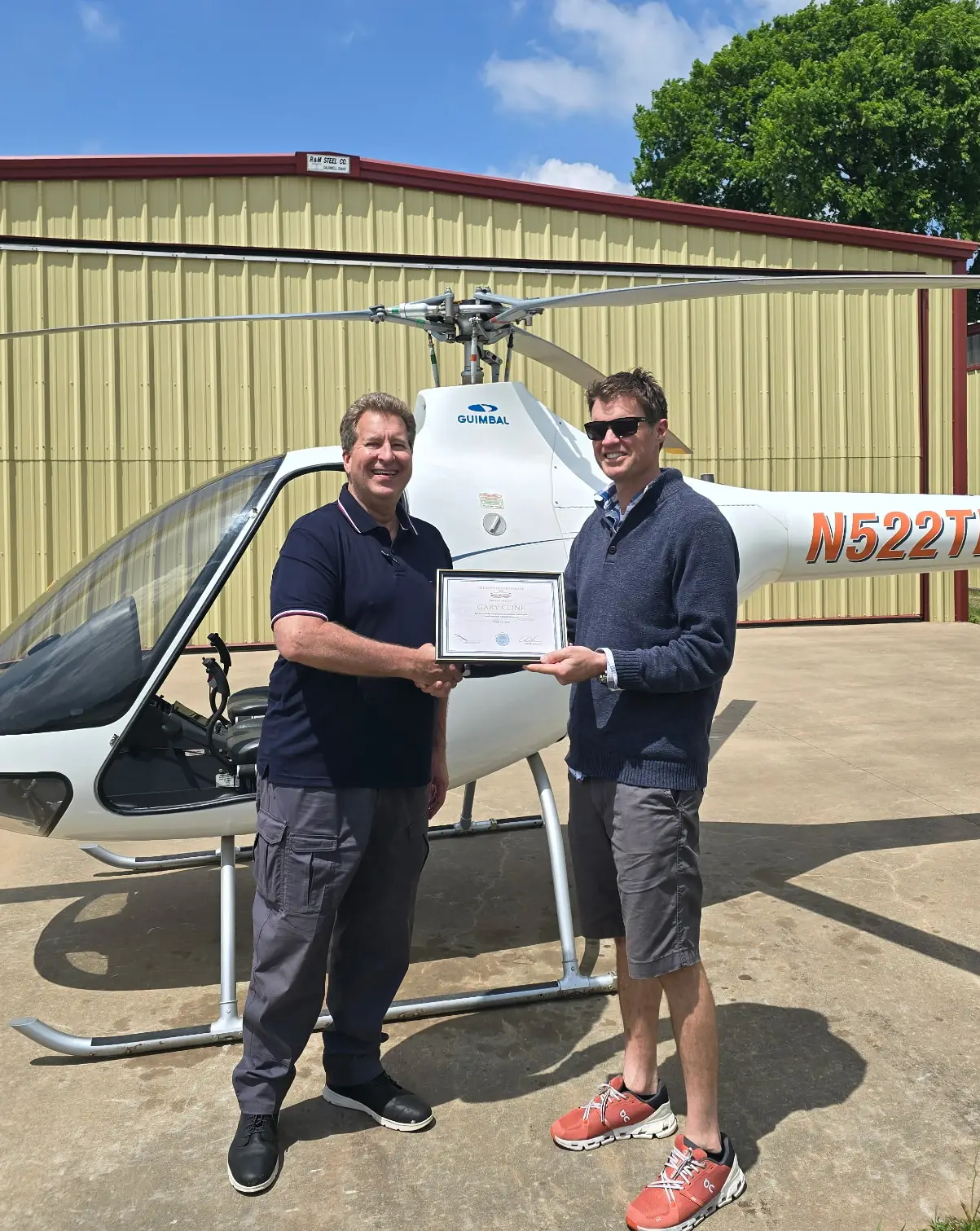
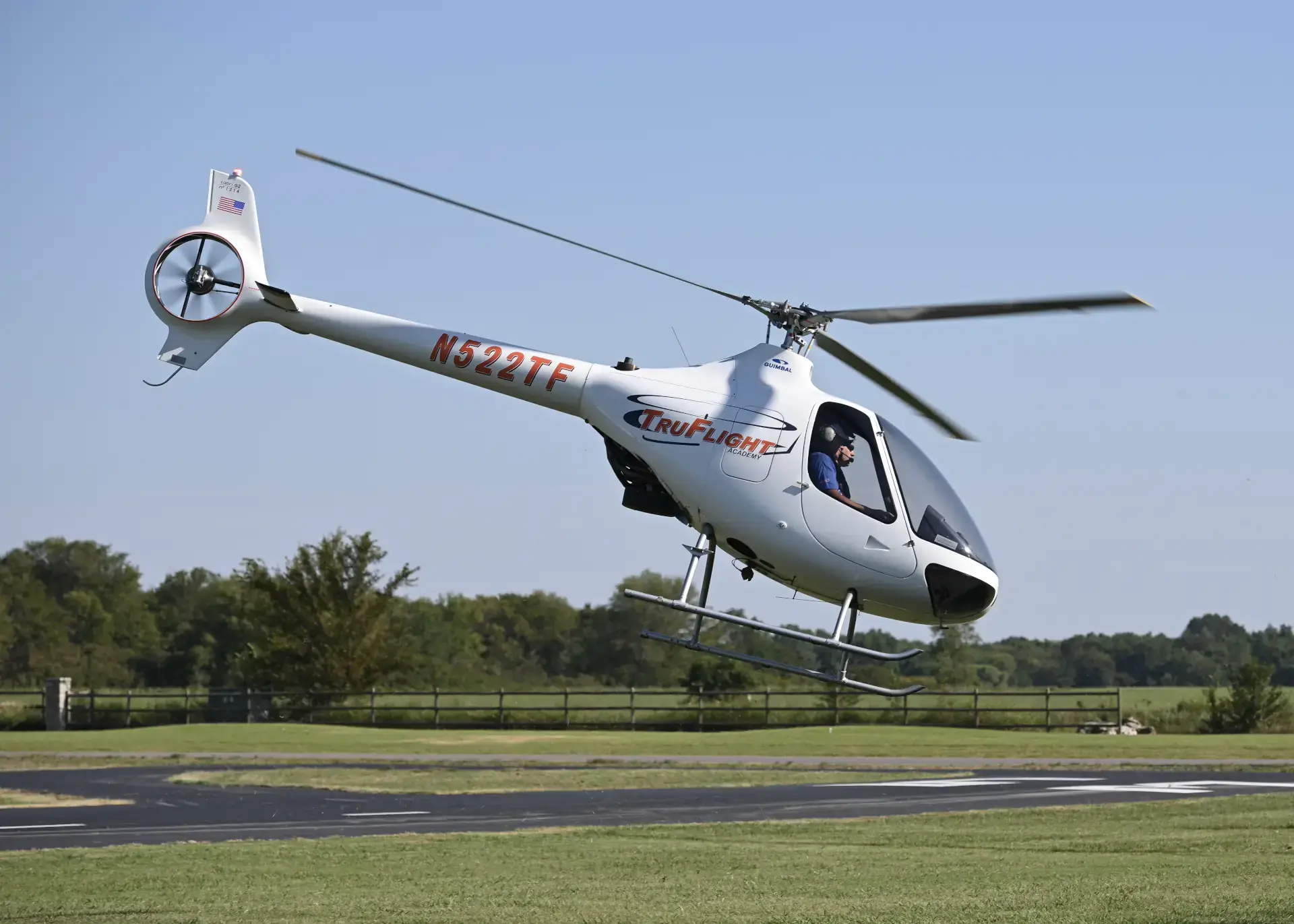
An add-on puts a new rating on the certificate you already carry.
How to read your logbook and your certificate
Your logbook is the paper trail of everything above. Each lesson gets an entry: the date, the helicopter, the time, and the kind of flying you did, such as training with an instructor or solo. The FAA wants that record because it shows you met the training and experience a certificate or rating asks for.
Look at an instructor’s training entry and you will see a signature and a certificate number. That signature is an endorsement in action. It shows that a qualified instructor stood behind that hour. Your instructor will also add endorsements for solo flight and for taking your knowledge test and practical test.
Reading the certificate itself is a matter of order. Find the certificate level first, then scan for the ratings. A certificate that reads private pilot, with rotorcraft-helicopter and instrument-helicopter, tells you three things at once: the level, the aircraft category and class, and the instrument rating. Add a rating later and the certificate grows. It does not start over.
Questions readers ask about licenses, certificates, and ratings
Is a helicopter license the same as a pilot certificate?
In everyday talk, yes. The FAA calls the credential a pilot certificate, and the word “license” is what most people search for. Both point to the same goal. Our eligibility checklist walks through what you need to start.
Is the instrument rating a separate certificate?
No. It is a rating added to a certificate you already hold. In helicopters it is the instrument-helicopter rating, and our Instrument Rating program is where you earn it.
Does a rating replace my certificate?
No. A rating joins your certificate. It adds an authorization and leaves the level you earned in place.
Will a certificate guarantee me a job?
No. A certificate shows what you are cleared to do, and employment is a separate matter. Our career page gives market context with the same caution.
Do I need to know all of this before my first lesson?
No. Your instructor explains each word as it comes up. Our post on questions to answer before you enroll shows what is worth settling first.
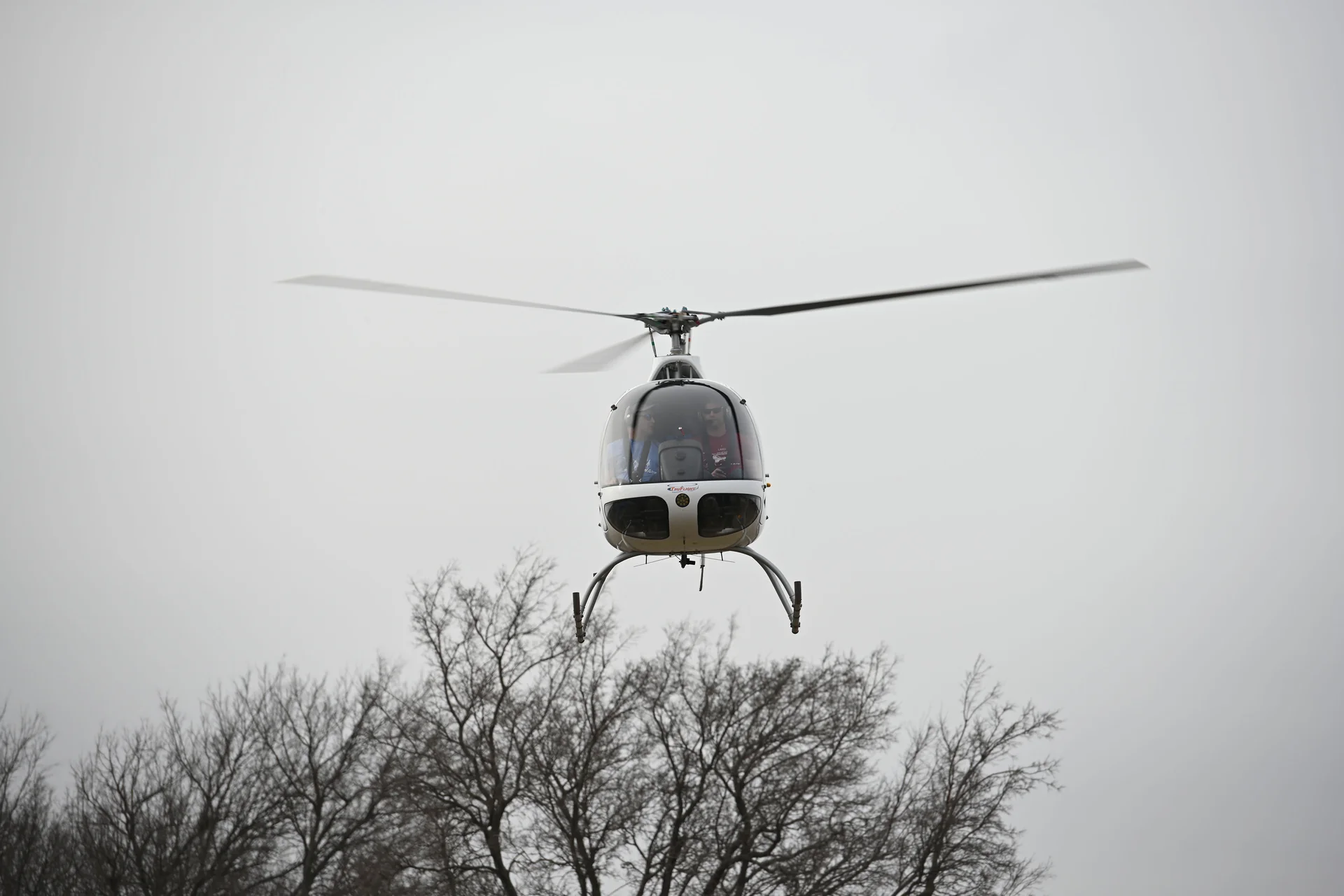
A discovery flight puts you in the cockpit with an instructor beside you.
Take the controls before you pick a certificate
You can learn every term above and still not know how a helicopter feels in your hands. On a discovery flight you take the controls with an instructor beside you, fly straight and level, and try hovering when conditions allow. No flight experience is needed, and booking one does not obligate you to enroll.
Book your discovery flight, bring your logbook questions, and we will help you decide which rating comes first.