Helicopter Training Order: Private, Instrument, Commercial, CFI
See the helicopter training order from Private to Instrument, Commercial, and CFI, what each step teaches, and how to plan yours with TruFlight Academy.
Four names sit at the top of every helicopter training plan: Private, Instrument, Commercial, and CFI. If you are standing at the edge of the flight line wondering which one comes first, which ones you need, and where your own goals fit, you are asking the right question before you spend a dollar on aircraft time.
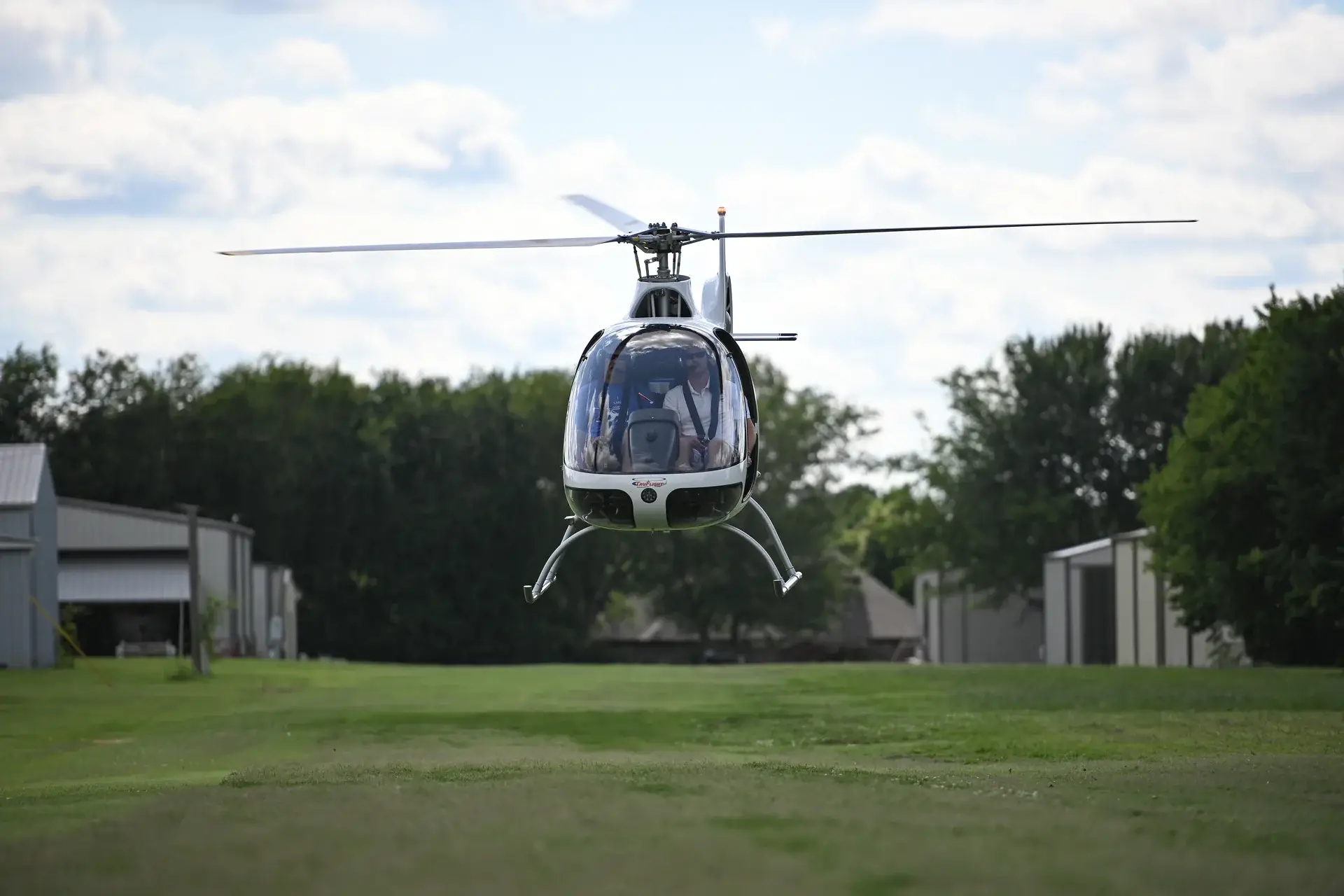
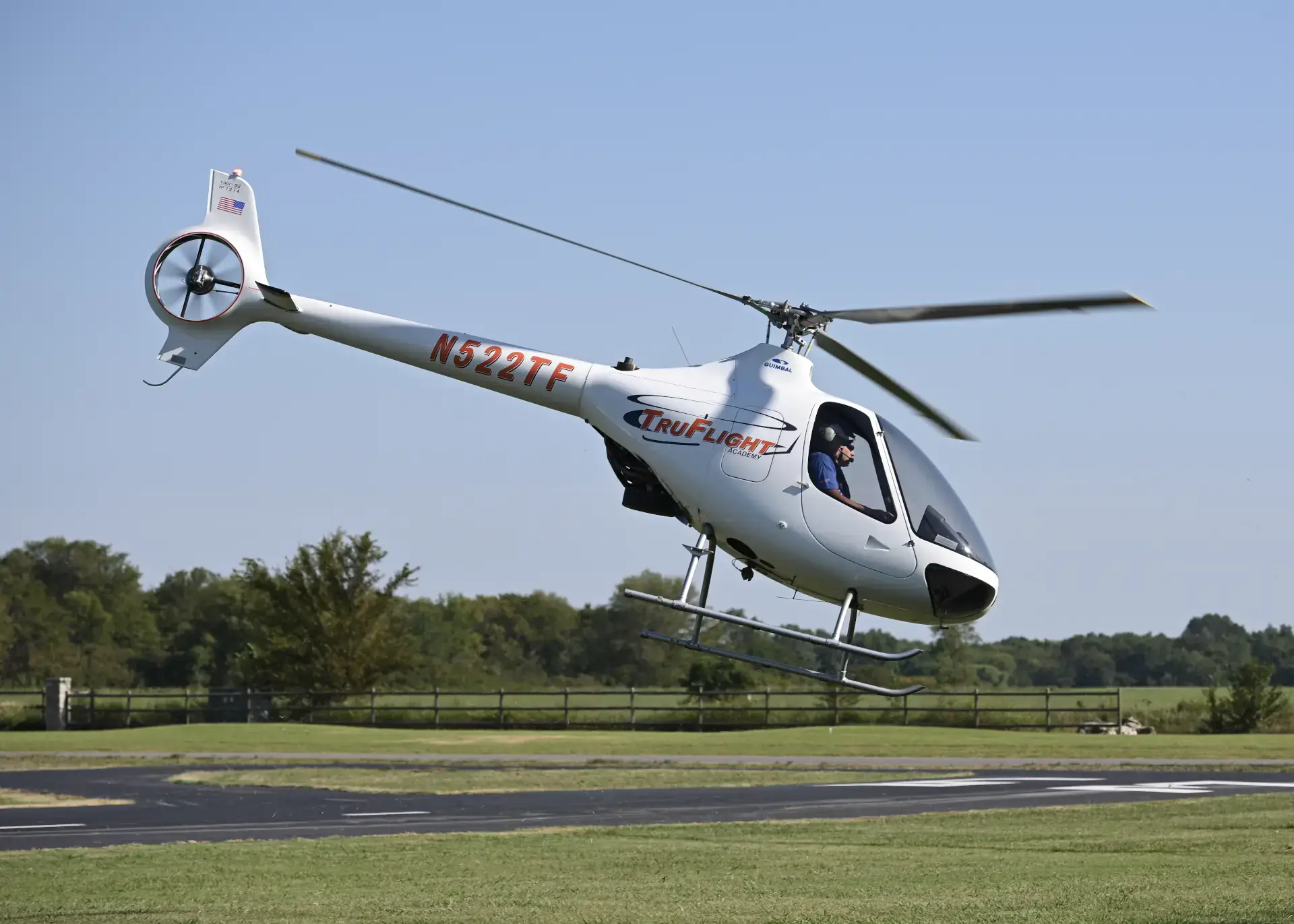
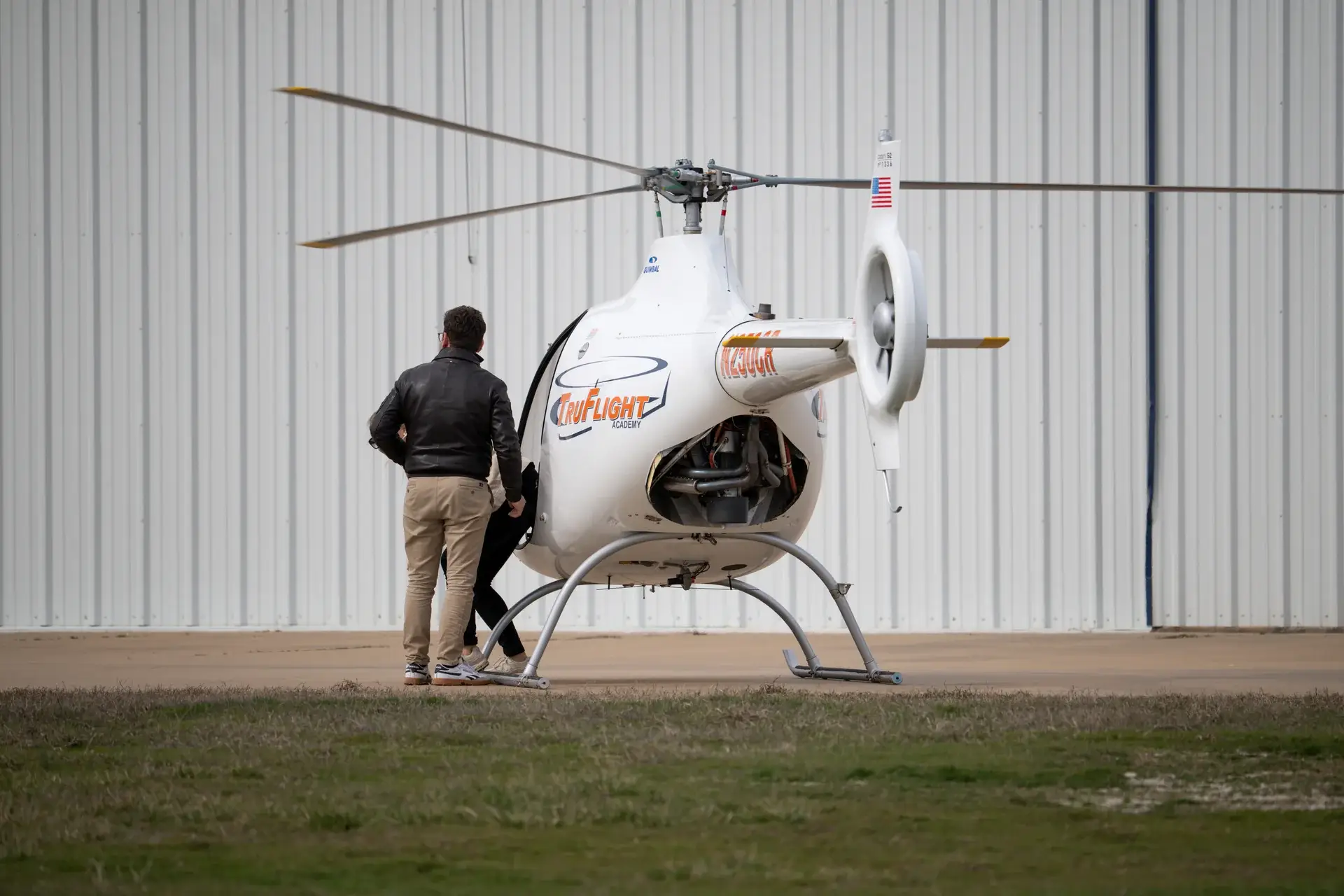
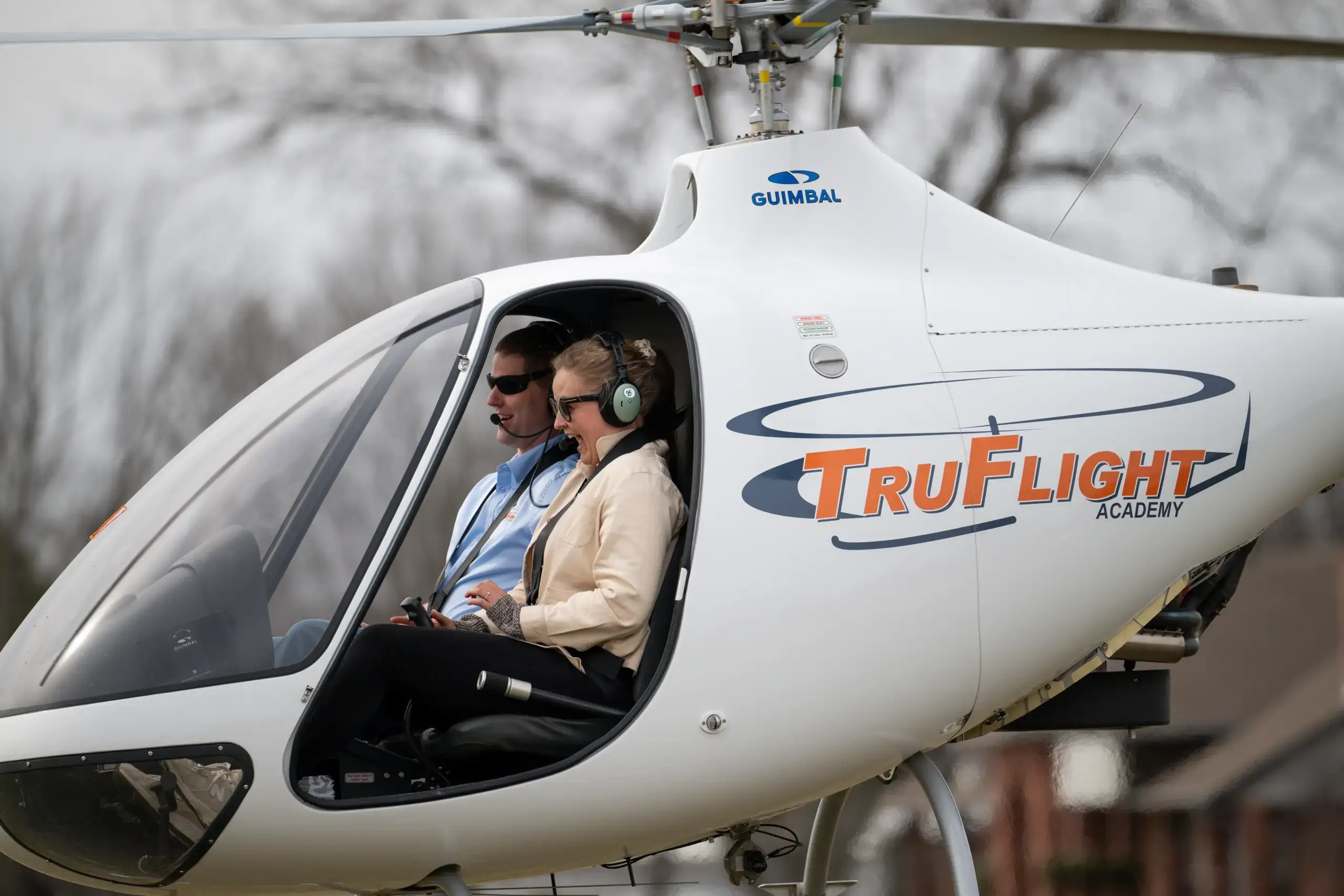
The usual order is Private Pilot, then an Instrument Rating, then Commercial Pilot, then Certified Flight Instructor. Each one is a separate certificate or rating with its own requirements, and each one changes how you sit in the cockpit. At TruFlight Academy, we walk students through this ladder in our Guimbal Cabri G2 at Finney Field in Howe, Texas, and we shape the pace around you.
The four steps side by side
Before the detail, here is the whole ladder on one table.
| Milestone | What you train to do | What it opens up |
|---|---|---|
| Private Pilot | Fly a helicopter safely and on your own, from hover to cross-country | Noncommercial flying, including carrying passengers |
| Instrument Pilot | Control the aircraft by reference to the panel in reduced visibility | The precision and cockpit discipline professional flying demands |
| Commercial Pilot | Fly to a professional standard with tighter tolerances | Eligibility to fly for compensation when regulations and operator requirements are met |
| Certified Flight Instructor | Teach and demonstrate every maneuver you have learned | The authority to instruct, and a common route for building experience |
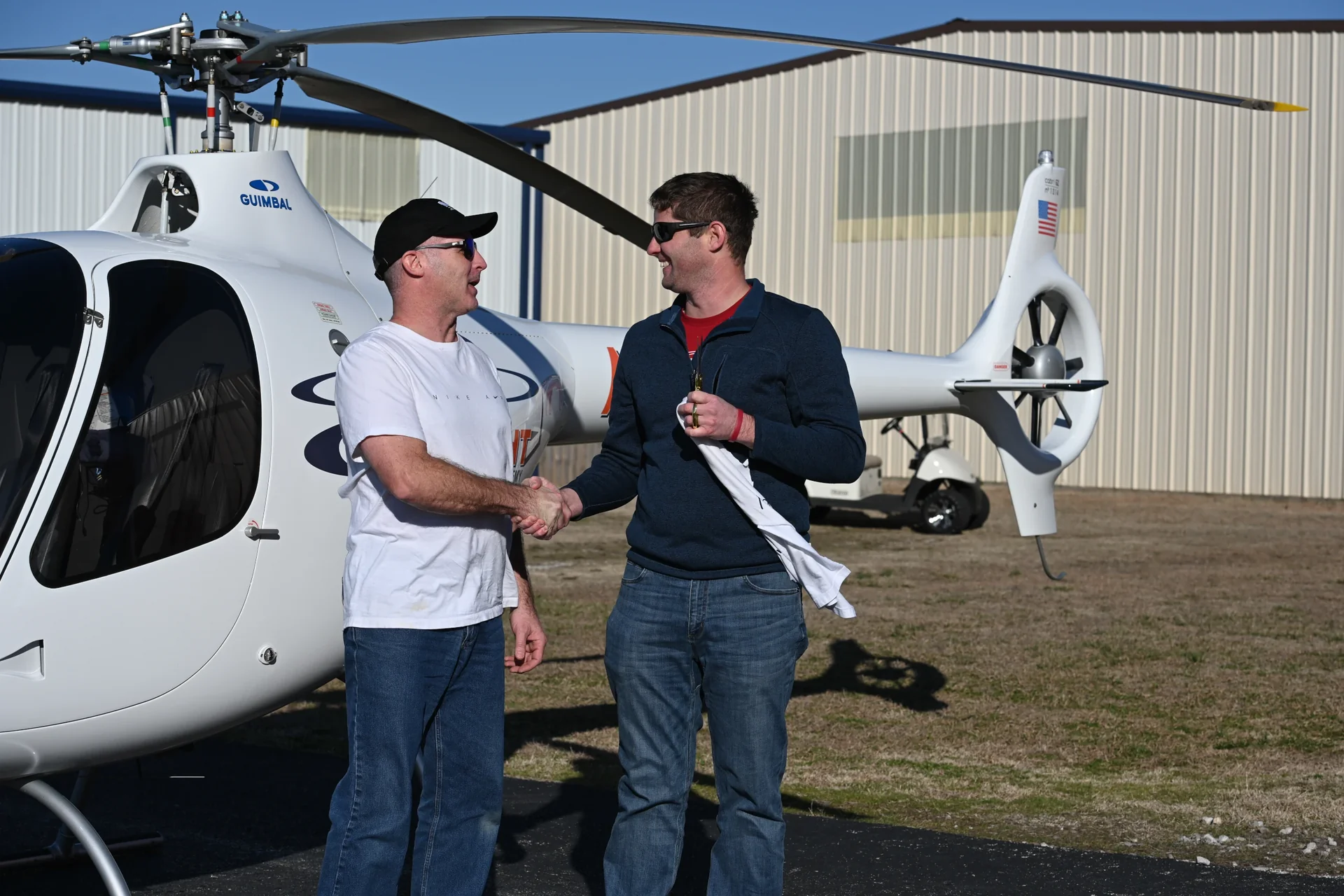
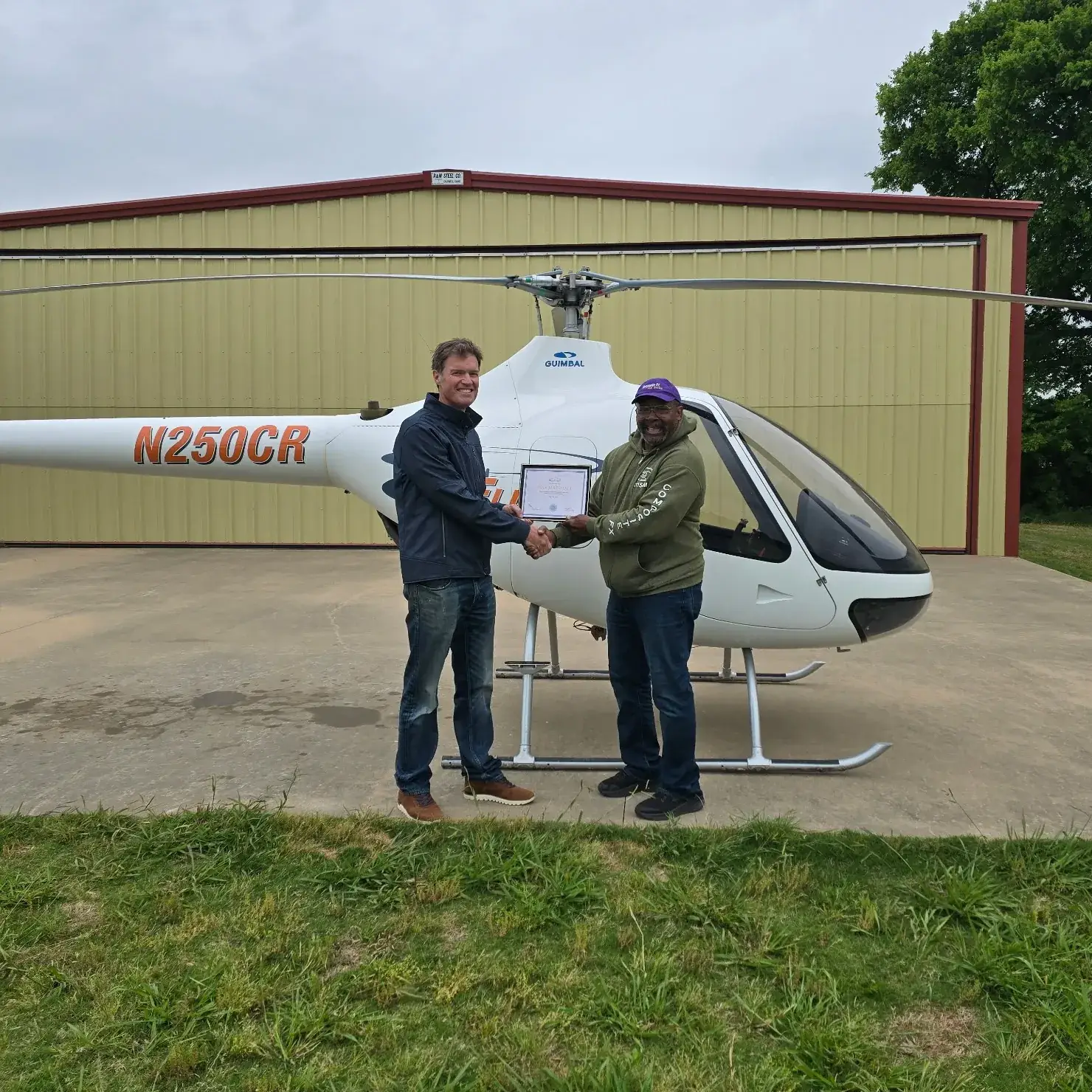
Every step ends with a handshake and a new set of privileges.
Private Pilot is where you learn to fly the helicopter yourself
The first certificate turns lessons into flying on your own. You start with no experience required, learning aircraft control, aviation knowledge, airport operations, and decision-making. Then comes the moment every student remembers: your instructor steps out and you fly solo. Our post on what to expect on your first helicopter solo walks through that day.
The Private certificate lets you fly for personal enjoyment and carry passengers, but it does not let you fly for pay. The FAA minimum is 40 hours of flight time, including solo and cross-country flying. That figure is an eligibility minimum, so your instructor recommends you for the practical test when you are ready, and readiness sets the calendar.
If you have never touched the controls, book a discovery flight first. It is $195, includes fuel and instruction, and puts you in the seat before you plan a single certificate.
Instrument is the rating that teaches you to trust the panel
An Instrument Rating is added to your Private certificate. It trains you to fly by reference to the instruments when the horizon disappears, and it changes how you scan, plan, and make decisions.
The instrument requirements include 40 hours of actual or simulated instrument time, with 15 of those hours in training with an instructor, plus cross-country experience as pilot in command. Our instrument helicopter program builds that time in a glass-panel Cabri G2, so the avionics you learn on are the ones you fly.
Instrument sits in the middle of the usual order because it sharpens everything that follows. Commercial training starts from a Private certificate and includes its own block of instrument training, so we sit down with you to decide where the rating belongs in your plan.
Commercial is where precision becomes the standard
Commercial training raises the bar on the same skills you already have. You refine maneuvers to tighter tolerances, complete a longer list of required training areas, and fly longer cross-country flights by day and by night. Commercial candidates are at least 18 and start from a Private certificate.
A Commercial certificate establishes eligibility to fly for compensation when applicable regulations and operator requirements are met. Employers add their own standards, so certification and a job are separate milestones. Our Zero-to-CFI path shows how these steps connect for students who want a professional route.
CFI is where you learn to teach what you have mastered
The Certified Flight Instructor certificate builds on a Commercial helicopter certificate. You learn lesson planning, instructional judgment, and how to demonstrate a maneuver while explaining it clearly. Instructors who also want to teach instrument students add instrument-instructor privileges on top.
Many career-minded pilots choose the CFI step because teaching builds experience while it sharpens their own flying. It does not guarantee an instructor position, since hiring follows an employer’s needs and standards. If you want to see what a teaching career looks like from the inside, meet the people who teach here on our pilots page.
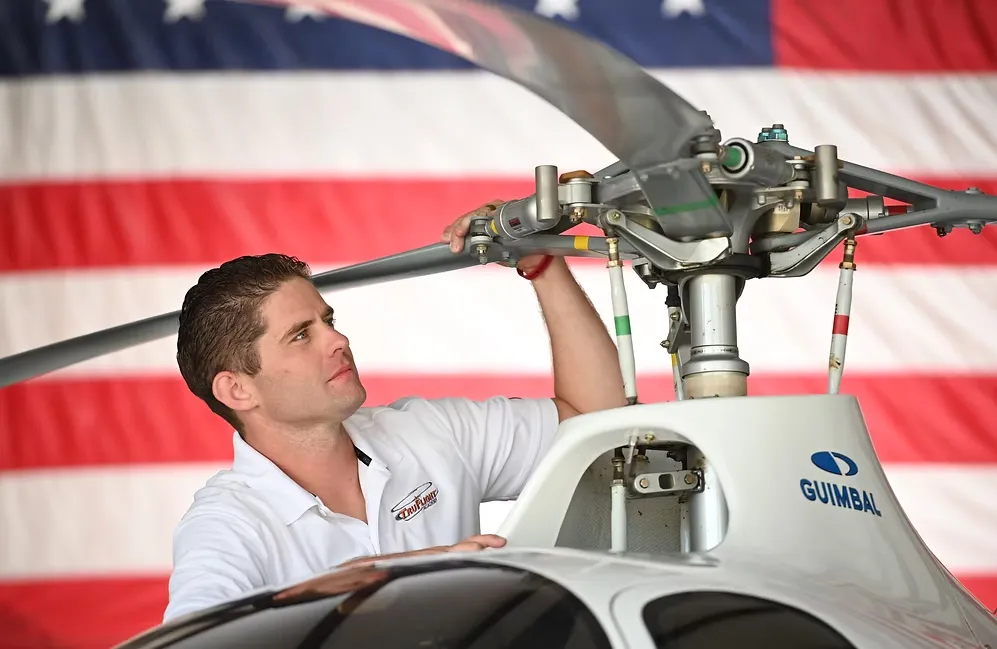
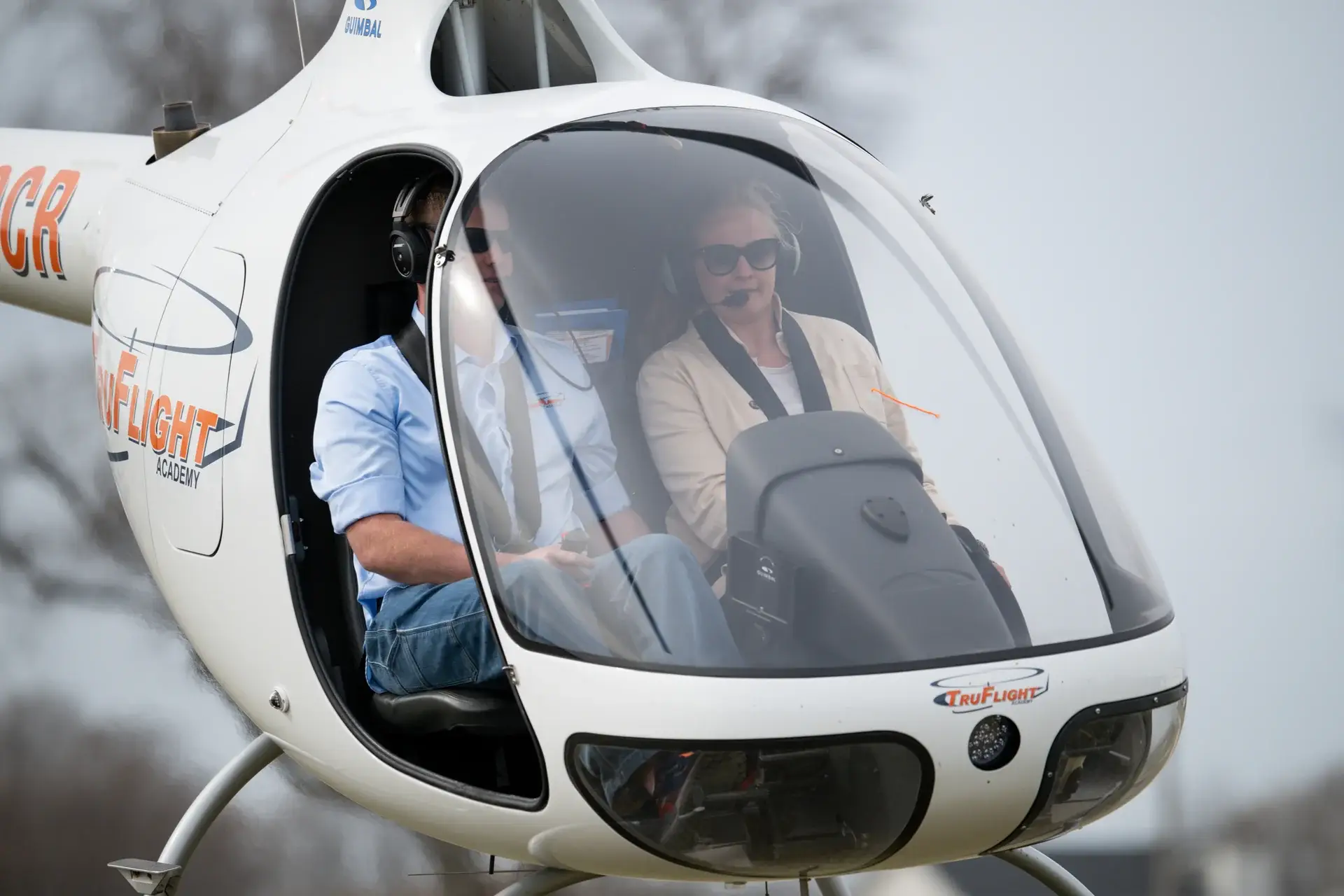
Preflight habits you learn in Private training stay with you through every later step.
Where the order flexes and where your goals decide
The ladder is a common pathway, and your starting point can change it. Each step has its own eligibility, so the useful move is to match the order to your reason for flying.
- Flying for enjoyment
Private Pilot may be the whole plan, with an Instrument Rating added later if you want it. - Career changer
The full Private, Instrument, Commercial, CFI route gives you a structured path from zero. - Already flying airplanes
A helicopter add-on rating can shorten the route because your existing certificates change what is required. - Specialty flying
External Load is an optional course for commercial pilots and sits outside the CFI sequence.
Before you sign up for anything, talk with an Aviation Medical Examiner about your medical certificate. Most helicopter students need one before solo, and learning your eligibility early keeps the rest of the plan honest.
Plan the order around your calendar and your budget
We provide FAA Part 61 training, so your pace follows your proficiency and availability instead of a fixed class start date. That matters most when you have a job, a family, or both, and our post on how long helicopter training takes shows what shapes the calendar.
Money follows the same logic. Cabri time for training is currently $550 an hour with fuel and instruction included, and ground instruction is $125 an hour. Block rates of $535 and $520 an hour are available when you pre-pay. Financing options may be available to qualified applicants, and you can review everything on our pricing page.
Frequently asked questions about the training order
Do I have to earn every certificate to fly helicopters?
No. Private Pilot is a complete destination if your goal is personal flying. Instrument, Commercial, and CFI are steps you add when your goals call for them.
Can I go straight to Commercial without an Instrument Rating?
Commercial training starts from a Private certificate, and the usual order places Instrument before it. Tell us your goal and we will explain where the rating fits in your Commercial pilot plan.
How long does the whole ladder take?
Your pace sets the answer. Lesson frequency, weather, proficiency, and checkride scheduling all count, and we build an estimate around your starting point. Start with our training timeline guide.
Do I need a medical certificate before I start?
Yes, students need an FAA medical certificate before their first solo, and Commercial privileges use a higher class than Private flying. An Aviation Medical Examiner can answer questions about your own eligibility.
Can a fixed-wing pilot skip steps?
Your airplane certificates can change what a helicopter rating requires. Our add-on programs start with a review of the certificates and experience you already hold.
Does earning a CFI certificate guarantee a job?
No. Certification and employment are separate milestones, and hiring follows each employer’s standards. Our helicopter pilot career guide covers the professional side in more detail.
Map your own training order with us
The best order is the one that matches your goal, your calendar, and your budget. Tell us where you are starting, what you want to fly, and how much time you can protect each week, and we will build the path with you.
Contact us through and we will walk you through the steps, the pace, and the price.