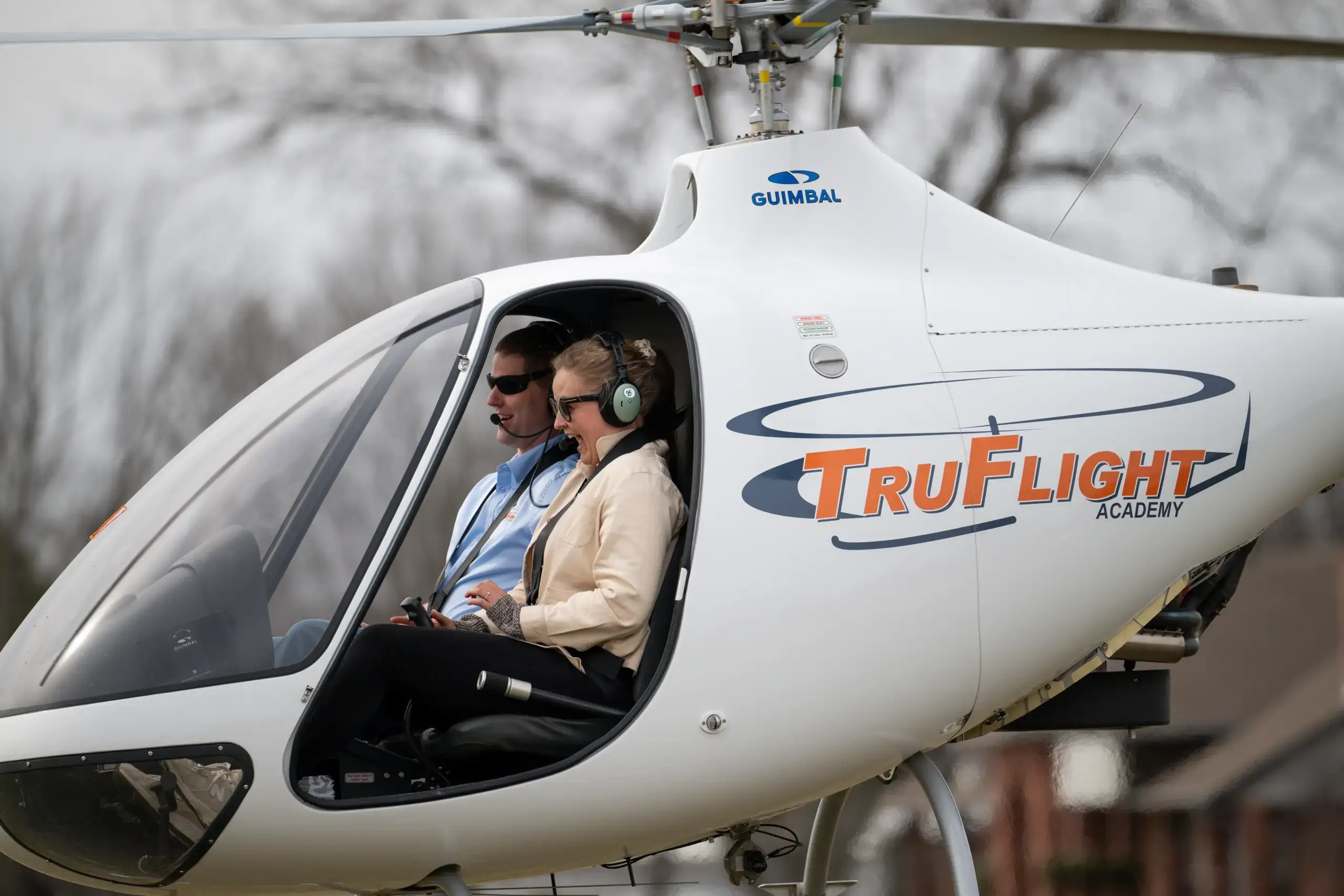
How to Learn to Fly a Helicopter With a Full-Time Job
Learn how working adults fit helicopter training around a full-time job, from a realistic weekly plan to mobile lessons, focused study, and budget planning.
It is Monday morning, your inbox is full, and a helicopter lesson is one of the few things on your calendar you are actually excited about. If you have wondered whether learning to fly a helicopter with a full-time job is realistic, the answer is yes, when the plan is built around the week you really have instead of the week you wish you had.
At TruFlight Academy, we provide FAA Part 61 training, so your pace follows your proficiency and availability. We train both full-time and part-time students. Here is how to set it up so lessons, study, and money all land where your job leaves room for them.
Draw your real week before you book a single lesson
Start with a calendar audit. Write down the hours you can protect every week, then mark the ones your job can take back without warning: late meetings, travel, deadlines. The best training plan uses the hours that stay yours.
A repeatable rhythm beats an ambitious schedule that collapses in week three. Our post on what affects your helicopter training timeline explains why consistent lessons build skill faster than long gaps. Bring your audit to us and we will map out when lessons can fit. Send us your work schedule through our contact page and we will build from there.
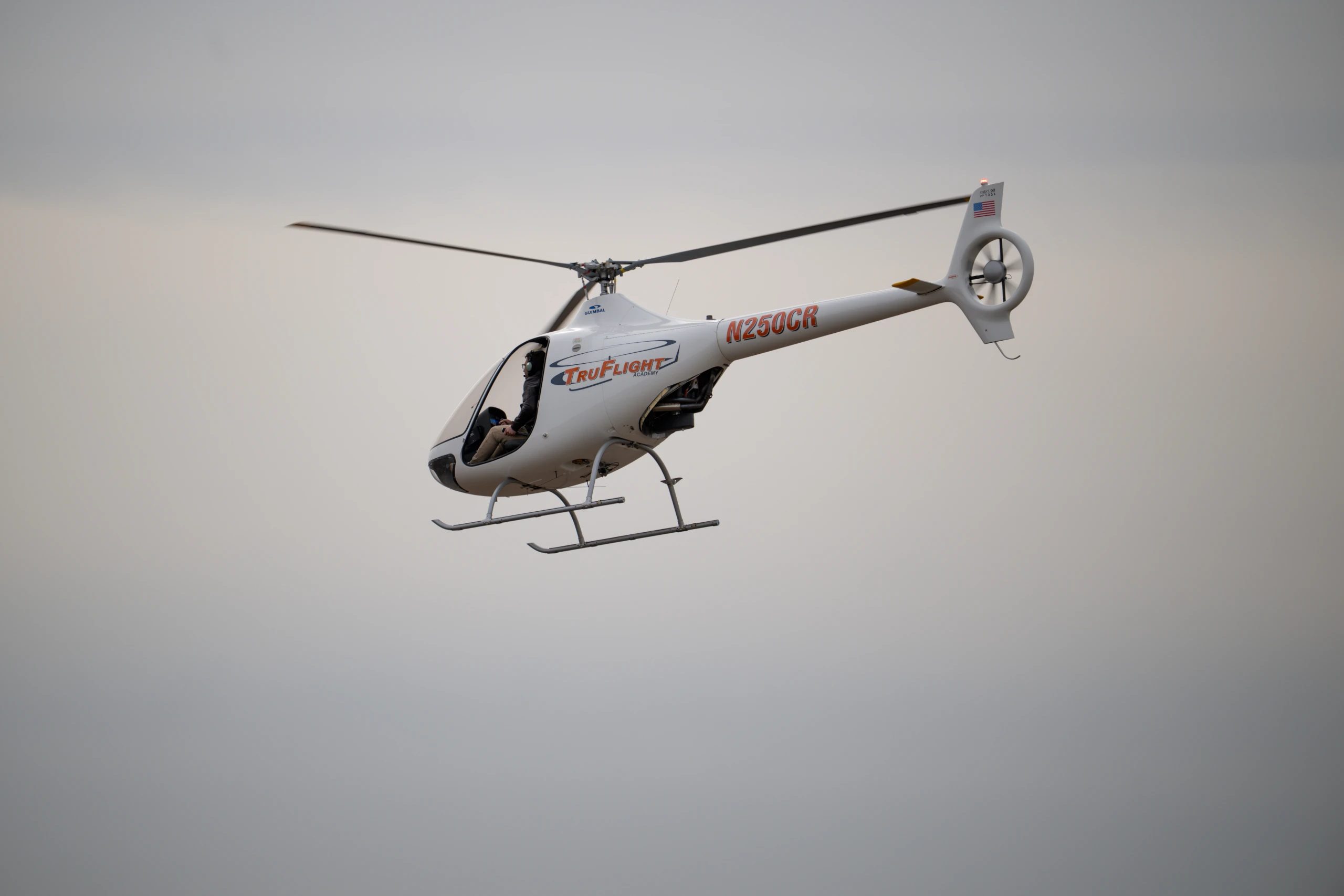
A plan that fits your real calendar keeps you flying instead of restarting.
Turn your non-flying days into training days
Flight lessons are only part of training. Ground work carries a large share of the load, and it fits into the gaps in a workday: a lunch hour with your notes, an evening chair-flying a checklist, a weekend morning on the knowledge test. Time in the aircraft goes further when you arrive prepared.
Good between-lesson habits are simple:
- Review your instructor’s notes while the lesson is fresh.
- Chair-fly the procedure you will practice next.
- Study weather, airspace, and aircraft systems in short sessions.
- Write down the moment a maneuver felt shaky so your instructor can start there.
Ground instruction with our team is $125 an hour, and you can see how it fits alongside flight time on our pricing page. Students who protect a study habit between lessons give their instructors more room to refine instead of introduce.
Skipping commute is an option
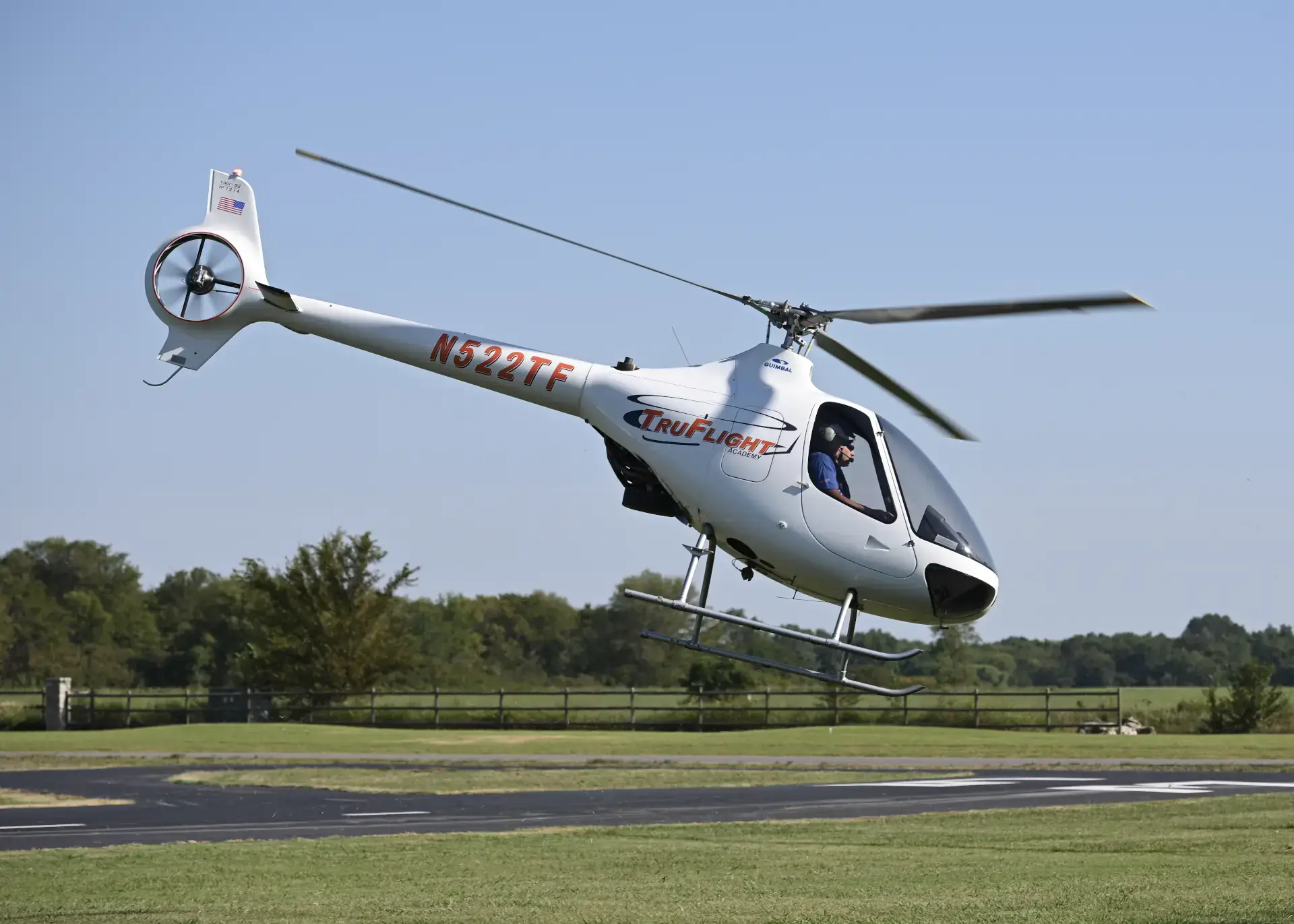
Travel time is the schedule killer for many working adults. That is where mobile lessons come in. When Howe is not convenient, we fly out to you, ferrying our Cabri G2 to a select airport near your home or work. The convenience fee is the cost of the ferry flight there and back, and it can be split equally when more than one student trains at the same airport that day.
Our mobile training guide explains how that works in detail, if a friend, coworker, or neighbor wants to learn too, sharing an airport lowers the cost for both of you.
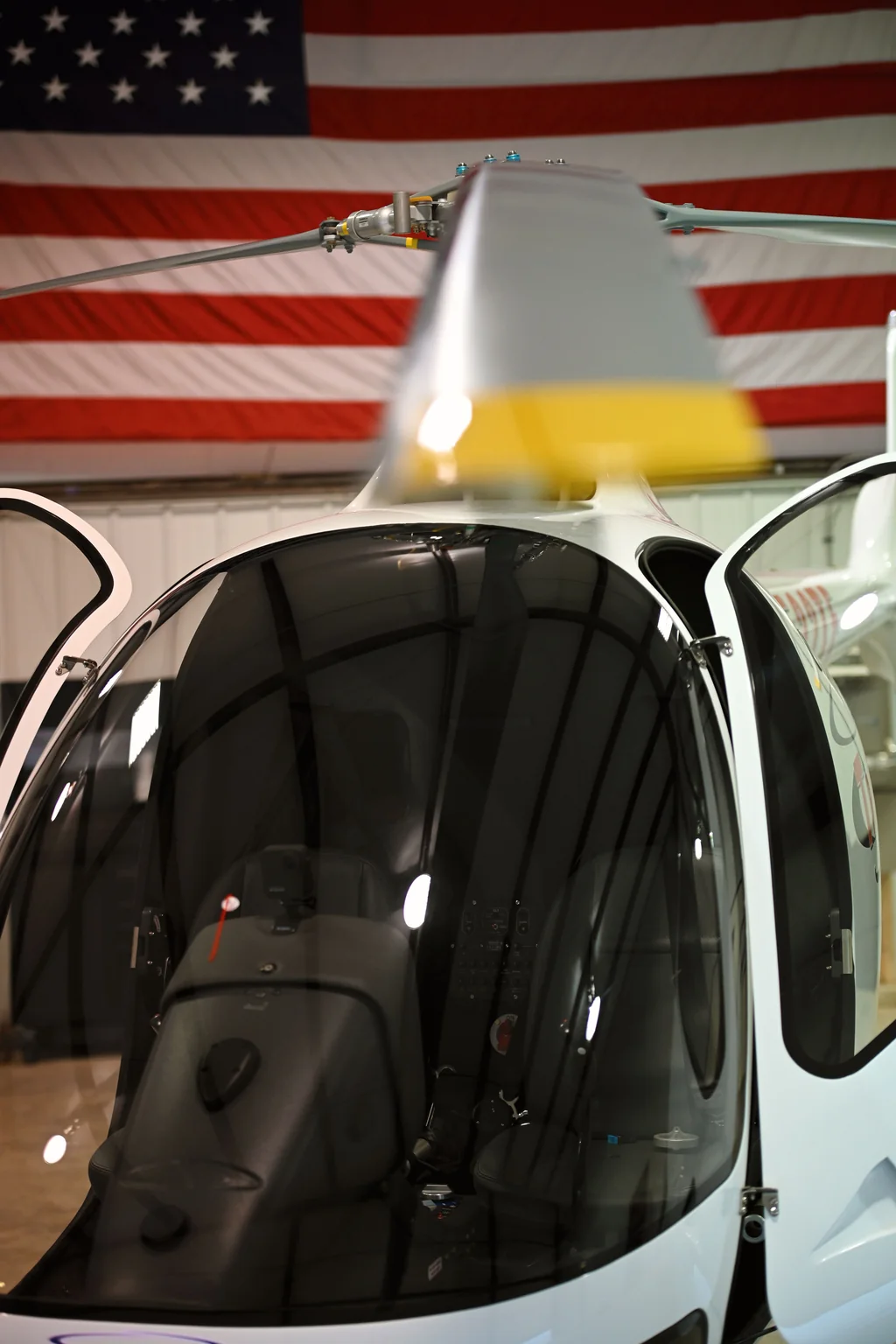
The same aircraft and the same syllabus follow you whether you train at Howe or closer to home.
Match your training rhythm to your work life
Different jobs call for different rhythms. Here are three patterns worth considering, and how we support each one:
| Your situation | A rhythm worth planning | How we help you plan it |
|---|---|---|
| Predictable weekdays | A steady weekly lesson with study on your non-flying days | Part 61 pacing built around your availability |
| Time off you can protect | A concentrated block of lessons during vacation or a slow season | A schedule mapped around your dates, with checkride timing planned early |
| Long commute or out-of-town | Mobile lessons close to home, or a stay near Finney Field | Select-airport lessons, plus a housing partnership with a student discount and an available rental car |
The concentrated block can work well for a milestone like your instrument or commercial training, when you want momentum. Keep a buffer in it, because weather and aircraft availability can move a lesson. Our dedicated examiner team also helps us plan checkride timing, so the last step does not stall your progress.
Sequence your money the way you sequence your time
Full-time income makes training easier to sustain, but the plan still needs a budget. Cabri time for training is currently $550 an hour, with fuel and instruction included. Pre-paid block rates of $535 and $520 an hour reduce the hourly cost when you can pay in full up front.
Financing options may be available to qualified applicants, and we are glad to talk through what fits. Remember the smaller costs too: your medical exam, the knowledge test, and the examiner’s fee at checkride time. See the current numbers on our pricing page, then build the budget around the rhythm you chose.
Get your medical certificate conversation started early. Talk with an Aviation Medical Examiner about your eligibility before you invest heavily, because most helicopter students need a medical before their first solo.
Start with one flight before you rearrange your life
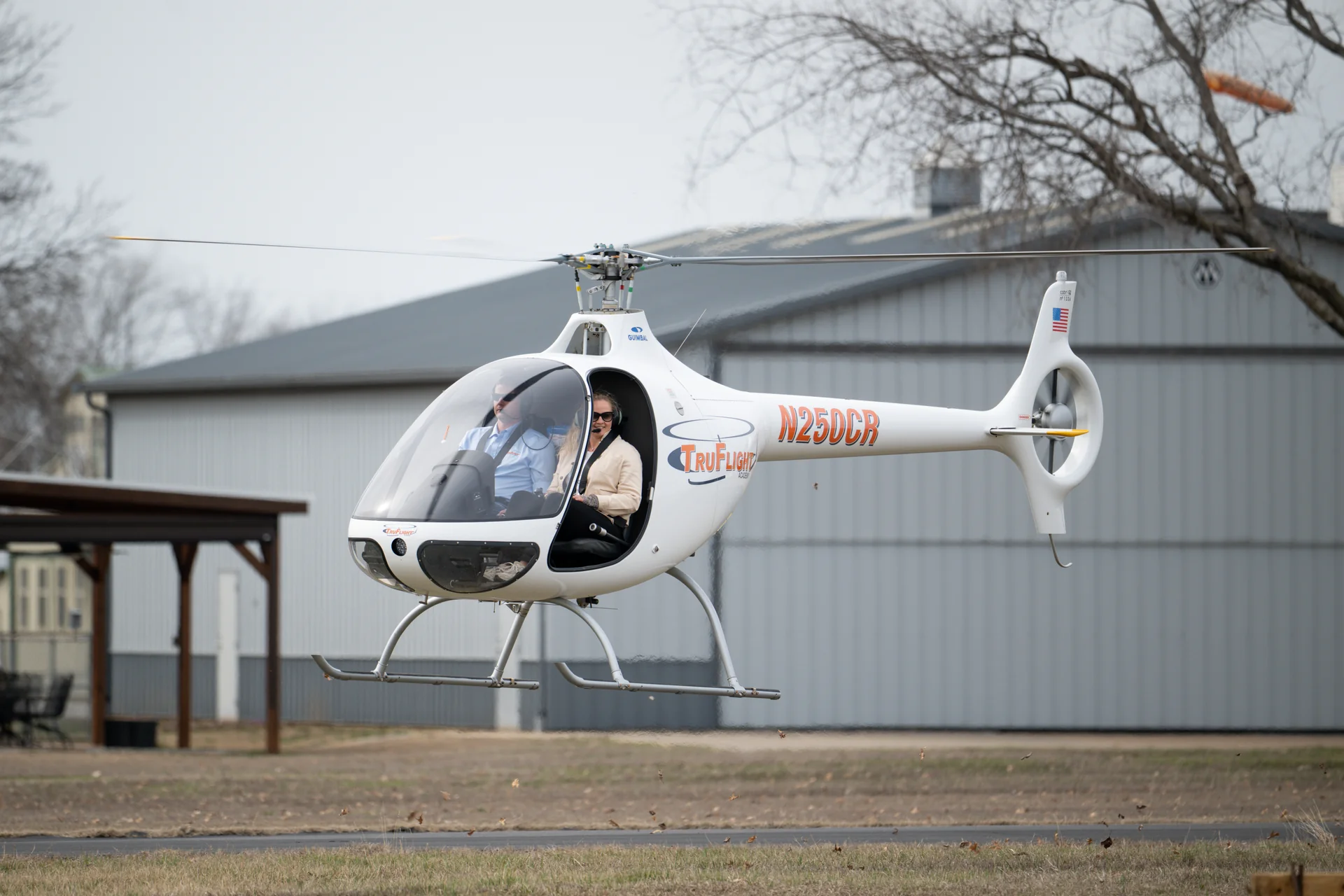
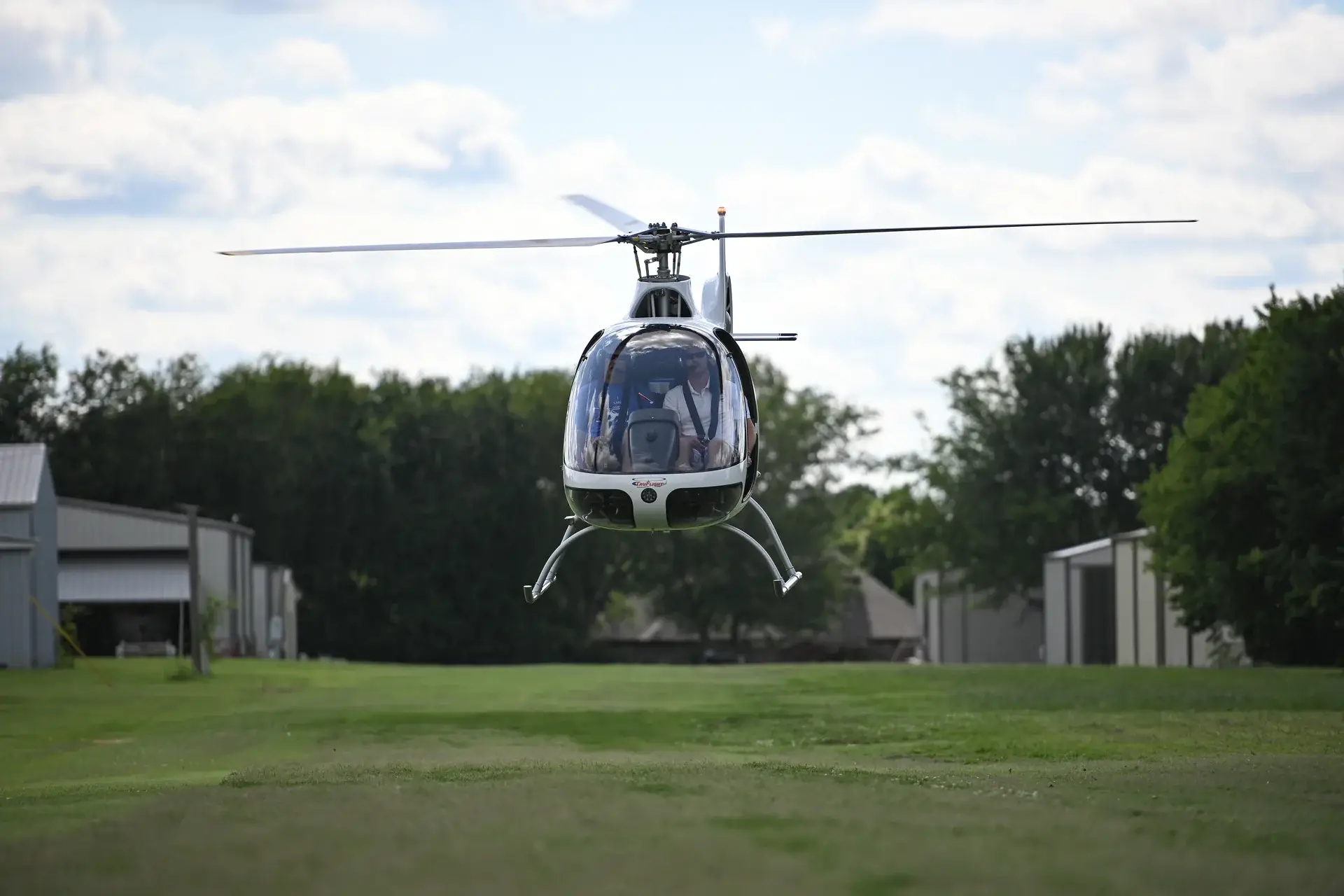
A discovery flight puts you in the pilot seat before you commit to a schedule.
You do not need to change anything about your job to test this. A $195 discovery flight includes fuel and instruction, and it gives you an hour in the pilot seat with one of our instructors before you commit to a schedule. Our guide to what to expect on a discovery flight covers the whole experience.
If the flight leaves you wanting more, your next conversation with us is about calendar, pace, and Private Pilot training. If flying is part of a bigger career plan, our helicopter pilot career guide shows where the training can lead, and how to think about it alongside the job you have now.
Frequently asked questions about training while working
Can I really learn to fly a helicopter while working full time?
Yes. Part 61 training lets your pace follow your availability, and we support both full-time and part-time students. A rhythm you can repeat matters more than a dramatic first week.
How many lessons a week do I need?
There is no single answer. Your proficiency, weather, and schedule all shape it, and we build the plan with you. Start with our timeline guide and then send us your work schedule.
Do you offer evening or weekend lessons?
Tell us the days and hours you can protect and we will confirm what fits. We plan lessons around your calendar and our current availability.
What if I travel for work?
Choose a rhythm that survives a missed week, and keep alternate lesson windows open. Concentrated blocks around time off also work well, and we can plan them with you.
Can I train close to home instead of driving to Howe?
Yes. We fly to select airports across North Texas, and the ferry fee can be split when several students fly from the same airport. Our Dallas training page has more on training near you.
How do I pay for training around a full-time salary?
Hourly rates, pre-paid block rates, and financing options that may be available to qualified applicants give you several ways to pace the cost. See our pricing page and talk to our team about what fits your budget.
Send us your schedule and we will build the plan
You already have the hardest part, which is the desire to fly. The rest is a schedule, a budget, and a first lesson that fits into the life you have. Tell us your work hours, your days off, and what you want to fly, and we will map out your first steps with you.
Contact TruFlight Academy with your schedule and let us build your training plan around your job.