Aviation Safety Standards for Helicopter Training: What Pilots Should Know in 2026
Learn how helicopter training safety works, from autorotations and checklist habits to Cabri G2 aircraft design and maintenance discipline.
Safety Starts Before the First Lesson
When a student says they want to learn to fly helicopters, a common worry is “Is helicopter training safe?” That question may come from a parent, spouse, employer, or the student themselves. It is a fair question, and it deserves a real answer.
At TruFlight Academy, we teach helicopter safety as a system. Aircraft design, instructor experience, and maintenance discipline all matter. So do weather judgment, checklist habits, and the way a student learns to respond when a lesson becomes demanding.
That is why our broader helicopter safety guide looks at the whole training environment, not just one feature or one aircraft. Safety standards show up in the preflight walkaround, in the cockpit briefing, in the way instructors introduce emergency procedures, and in the decisions we make before the rotor ever starts turning.
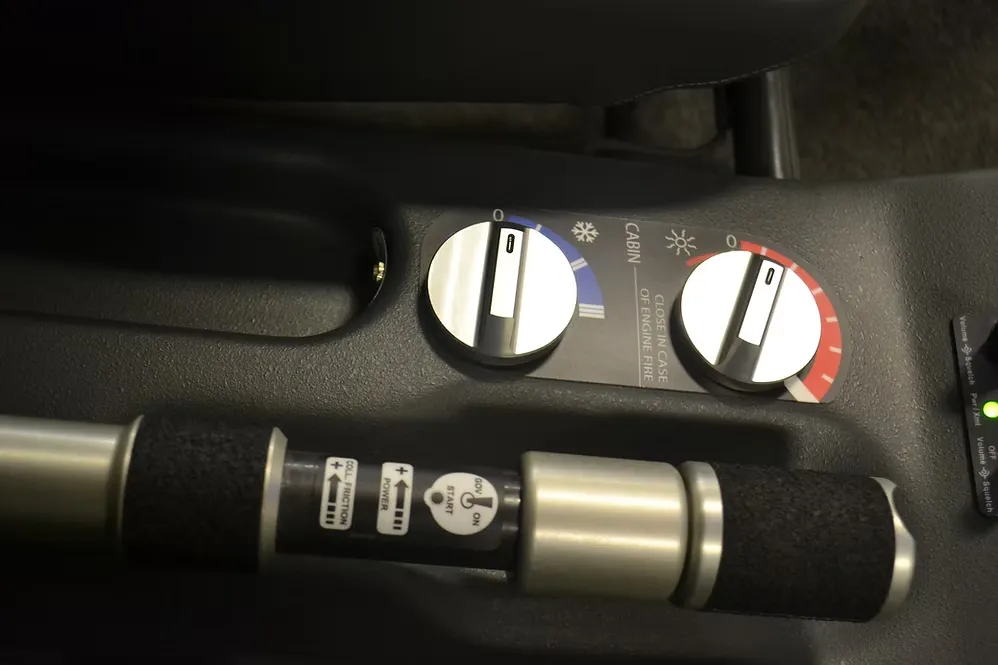
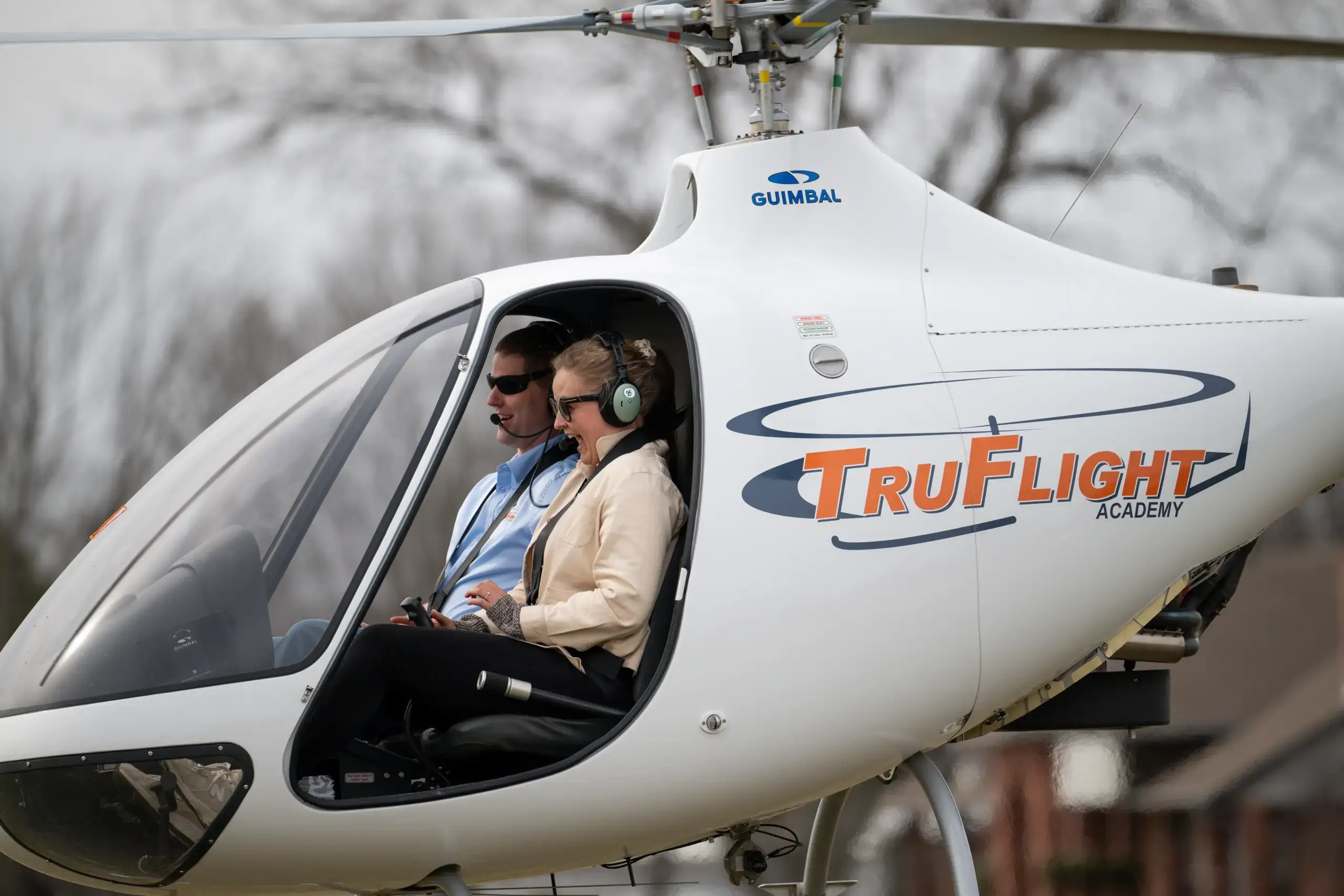
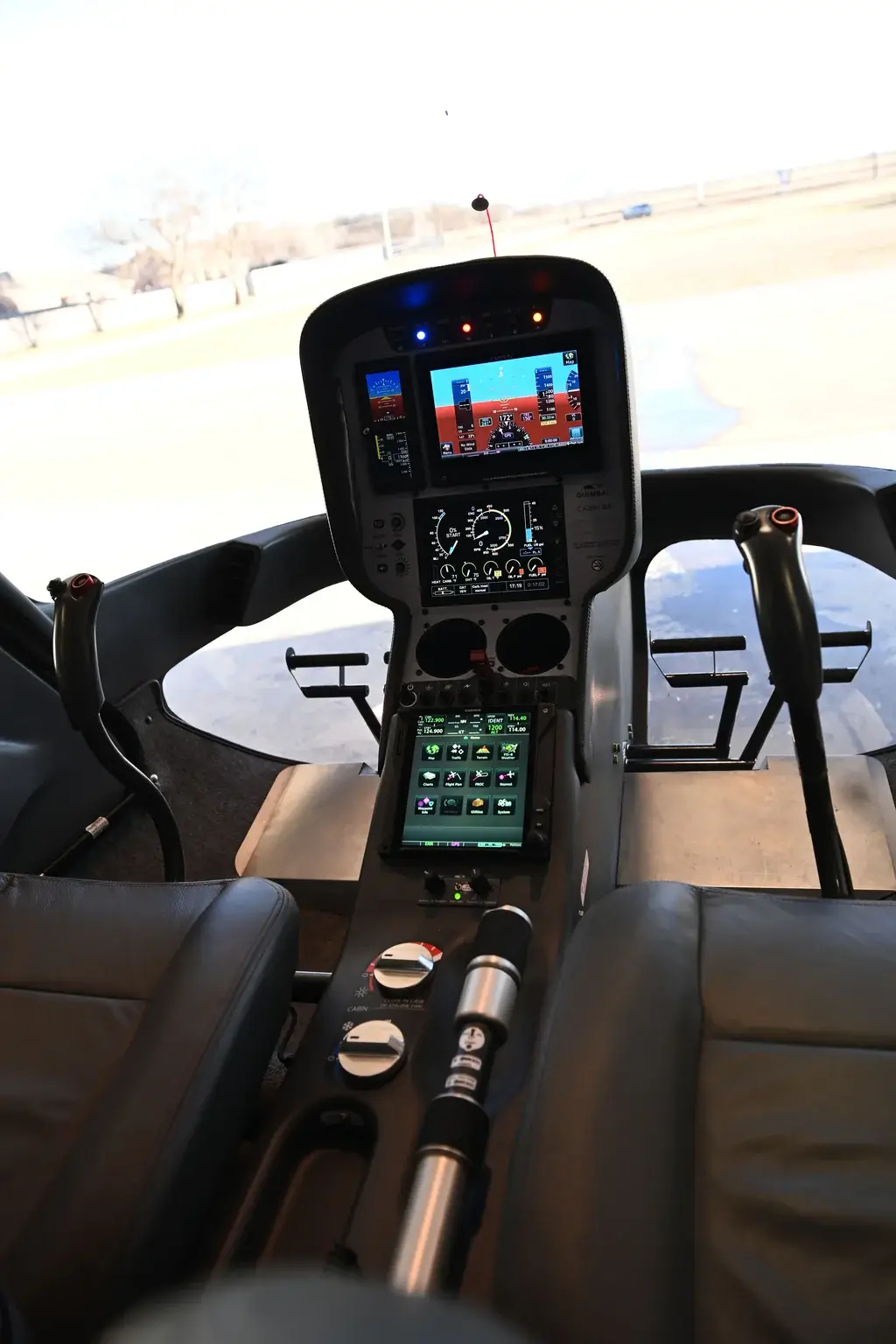
A safe lesson begins with cockpit awareness, checklist flow, and understanding the aircraft before takeoff.
What Helicopter Safety Standards Cover
Helicopter training is built around repeatable habits that help students manage risk from lesson one through advanced ratings. Those habits include:
- Preflight inspections that help catch issues before flight
- Checklist discipline so normal procedures become consistent
- Weather and go/no-go decisions before a lesson begins
- Emergency procedure training as skills and readiness grow
- Radio communication discipline even when the airspace does not require a call
- Maintenance tracking so the aircraft remains ready for training
In addition, while pilots are not required to be on the radio at the Class G airspace of Finney Field, we still treat every airspace environment as if it were towered, helping our students build clear position reports, traffic awareness, and professional communication habits before moving into busier controlled airports.
For those enrolling or continuing in Private Pilot Helicopter training, this foundation starts with the basics: aircraft control, communication, preflight procedures, and safe decision-making.
FAA Safety Standards for Helicopter Training
The FAA sets the baseline standards for pilot certification, aircraft airworthiness, maintenance, instructor qualifications, and the training tasks students must learn before earning a certificate or rating. Those standards help create a consistent safety foundation across flight training in the United States.
For helicopter students, FAA safety standards show up in practical ways: required aeronautical knowledge, flight proficiency, preflight procedures, airport and airspace operations, emergency operations, and instructor signoffs before solo flight or a checkride.
At TruFlight Academy, training is conducted under FAA Part 61 standards, allowing instructors to tailor lessons to each student while still meeting all federal safety requirements.
The Myth - “Helicopters Are Unsafe”
One of the most common helicopter safety misconceptions is the idea that helicopters simply drop if the engine stops. In reality, helicopters have a trained emergency procedure called autorotation, which allows the pilot to control the descent and land safely.
This emergency procedure allows the rotor system to keep turning as air flows upward through the blades during descent. The pilot manages rotor rpm, airspeed, landing area, and touchdown. It is a serious procedure and a core part of helicopter emergency training.
It is important to understand that helicopters require training, judgment, and respect, but they are not mysterious machines that become uncontrollable the moment something changes. Students learn how the aircraft behaves, what to do first, and how to keep flying the helicopter all the way to landing.
If you are curious, our helicopter safety FAQ page answers more of the questions students and families often ask about emergency landings and general safety.
Emergency Procedure Training Builds Calm
Good emergency training focuses on building cockpit calm before a real problem ever appears.
As students progress, instructors introduce emergency procedures in a structured way. That can include simulated power changes, landing-area selection, checklist flow, and autorotation profiles appropriate to the student’s stage of training. The goal is not just to memorize a maneuver. The goal is to recognize what is happening, take the right first action, and keep thinking clearly.
This is where instructor experience matters. A steady instructor can explain what the student should see, hear, and feel, then help them build the muscle memory without rushing the process. Students also learn that safety includes saying no to a flight when weather, fatigue, aircraft status, or readiness does not support the lesson.
Why We Train in the Guimbal Cabri G2
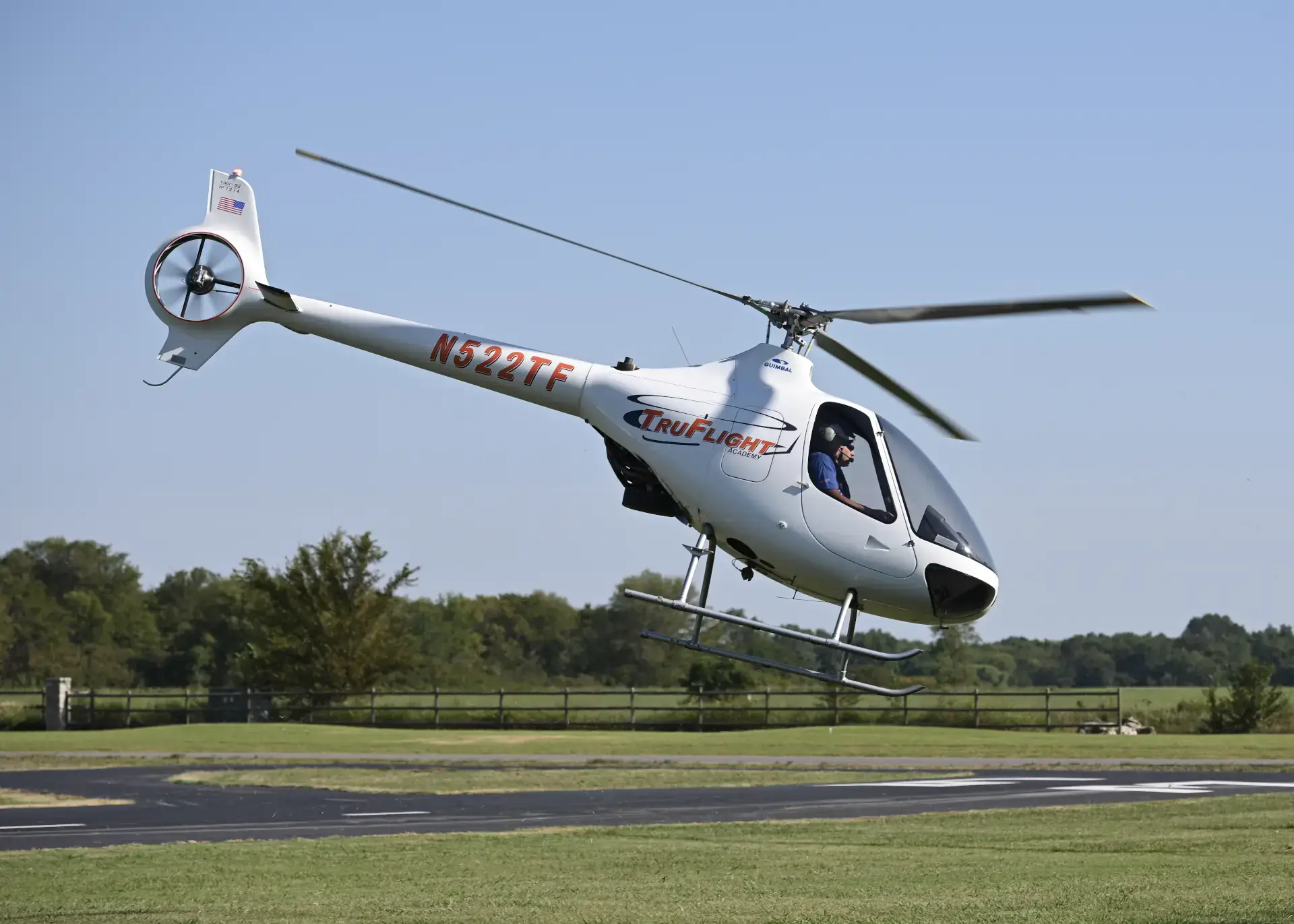
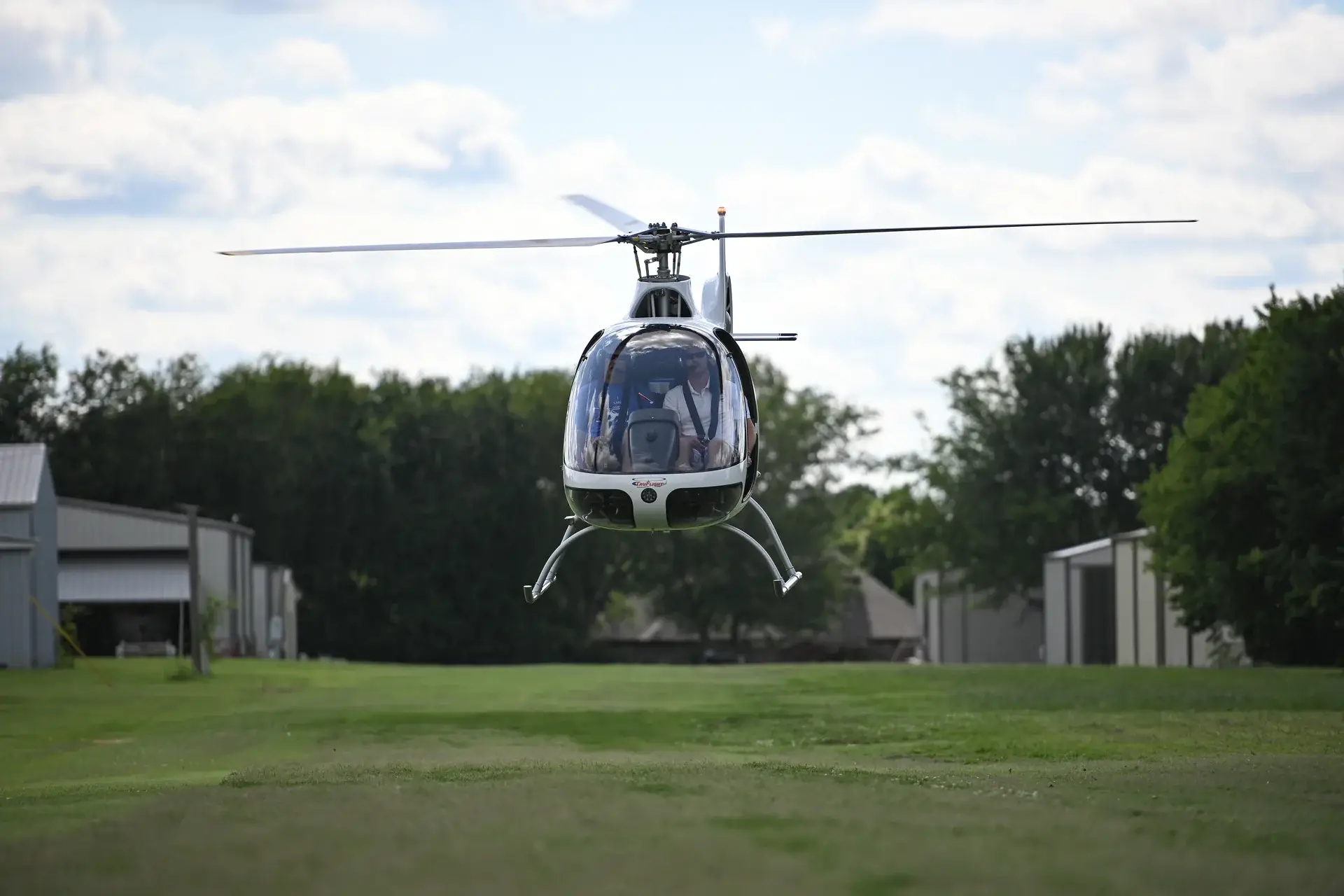
Aircraft choice is part of safety. TruFlight trains in the Guimbal Cabri G2, a modern, safety-focused training helicopter with features that protect pilots and passengers in case the worst happens.
The Cabri G2 brings several safety-centered design elements into the training environment, including:
- Crash-resistant fuel bladder/cell designed to reduce post-impact fuel risk
- Carbon fiber body and modern structure
- Stroking seats that help absorb energy in a hard landing
- Glass cockpit and system monitoring that support awareness
- Stable training characteristics for student instruction
- Training-focused design that fits the way new helicopter pilots learn
Those features do not remove the need for judgment or instruction, but they give students a strong platform for learning the habits that matter. You can see the aircraft we train in on our Cabri G2 fleet page.
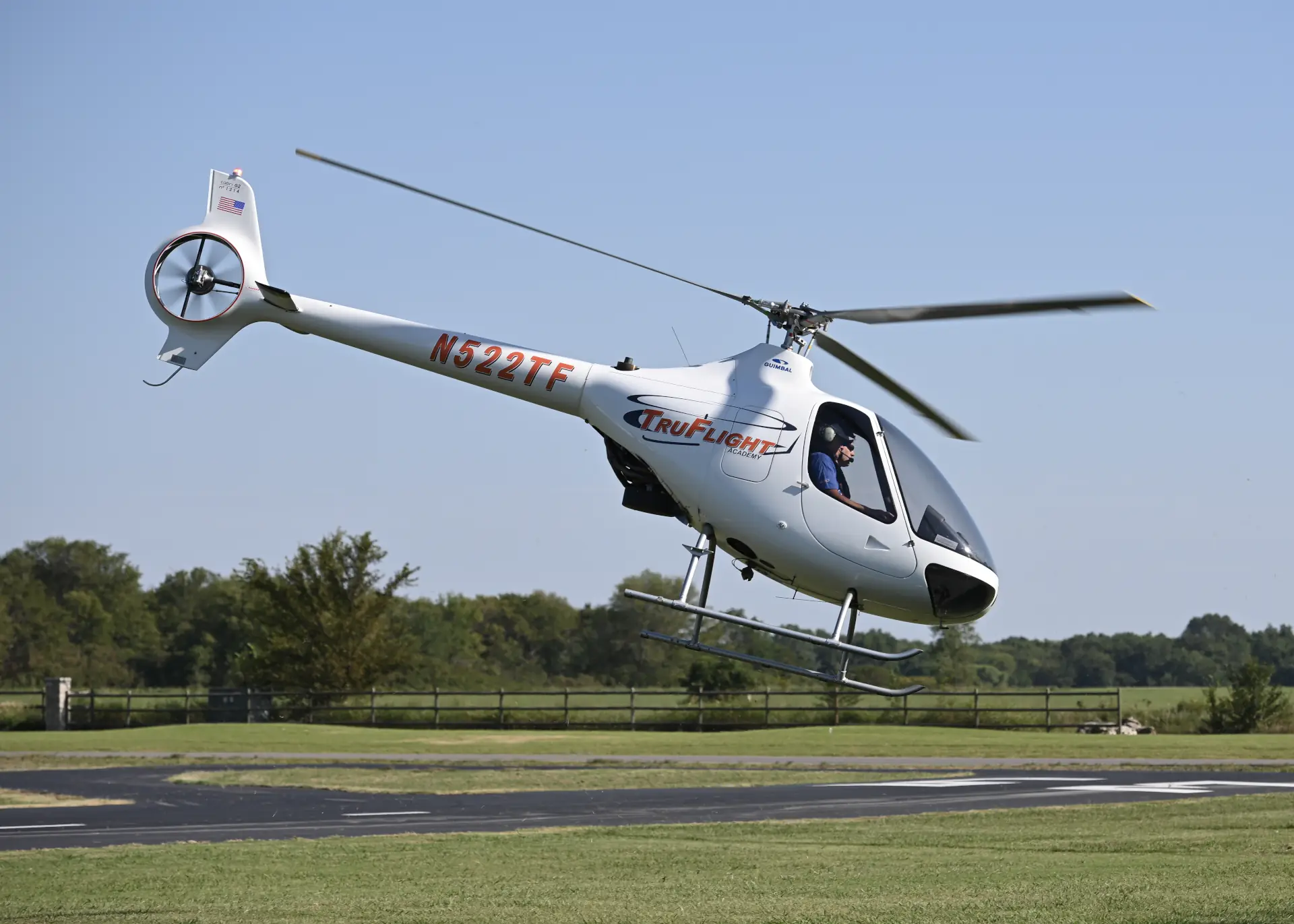
The Cabri G2 gives students a modern training platform for building safe, repeatable helicopter habits.
Maintenance Safety Is Part of Training Safety
A training helicopter is only as useful as the maintenance culture behind it. At TruFlight, our Cabri G2 maintenance capability is close to the aircraft students fly every day.
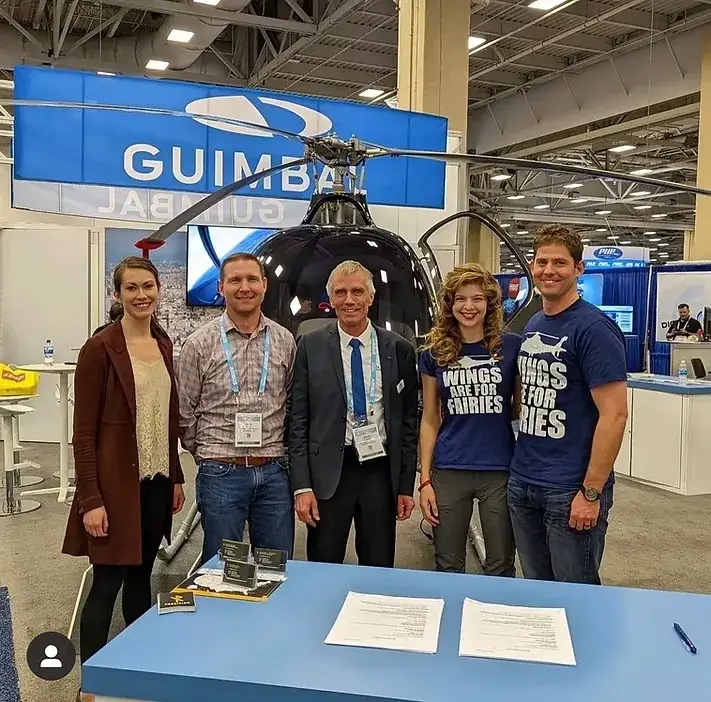
Our maintenance team includes a Guimbal factory-trained mechanic and we can perform Cabri G2 maintenance and warranty work in-house. Beyond regular inspections maintenance safety is about knowing the aircraft, understanding how it is used in training, and keeping aircraft conversations connected to the instructors and students who fly them.
When students and families ask about safety, we want them to look beyond the cockpit. Maintenance access, aircraft familiarity, and communication all support a safer training environment.
Instructor Experience Shapes Student Habits
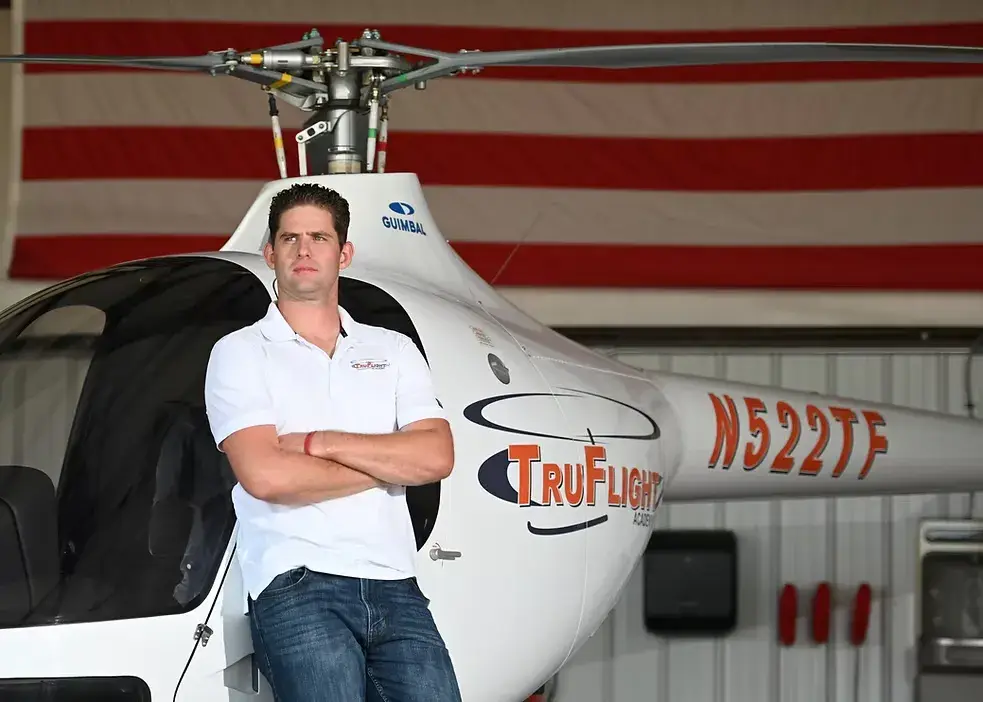
The person teaching you has a direct effect on how you think in the cockpit. TruFlight hires high-hour CFIs with extensive helicopter experience, and our chief pilot, Todd Guison, brings Army aviation experience and years of experience flying helicopters with a long list of certifications into TruFlight’s training culture.
For students, that background shows up in practical ways: checklist discipline, emergency procedure confidence, aircraft control standards, and the expectation that pilots make thoughtful decisions before and during flight.
You do not need a military background to become a safe helicopter pilot, but you do need instructors who can teach precision without panic and help you understand why every procedure exists.
Keep Learning Before You Choose
To conclude, helicopter safety is the combination of aircraft, instructor, maintenance, procedures, and student judgment. When those pieces work together, training becomes serious, structured, and exciting for the right reasons.
If you are still unsure, read our helicopter safety FAQ next. When you are ready to talk through your goals, schedule a discovery flight and see how TruFlight approaches safety from the first conversation.