
How Maintenance Records Shape Helicopter Buying Decisions
Learn how helicopter maintenance records reveal inspection status, component history, upcoming costs, and the questions to resolve before you buy.
A helicopter can look clean on the ramp and still leave its biggest ownership questions inside the logbooks. Maintenance records connect the aircraft you see today with the inspections, repairs, alterations, component times, and recurring requirements that will follow you after closing.
That is why helicopter maintenance records should influence more than your pre-purchase checklist. They can change your view of the aircraft’s condition, near-term budget, downtime risk, and even whether the deal still makes sense. At TruFix Maintenance, we help owners pair a records review with a physical pre-buy inspection so evidence supports what the ramp appearance suggests.

A clean exterior starts the conversation; the records reveal the history behind it.
Records turn aircraft history into questions you can verify
Good records go beyond proving that someone wrote in a logbook. They help you reconstruct what happened, when it happened, who approved the work, and what becomes due next.
Under 14 CFR 91.417, required aircraft records include more than a trail of routine maintenance entries. The continuing records include items such as total time in service, the status of life-limited parts, time since required overhaul, current inspection status, applicable Airworthiness Directive compliance, and major alterations. The owner or operator also carries primary responsibility for maintaining the aircraft in an airworthy condition under 14 CFR 91.403.
For a buyer, those rules become practical questions. Do the airframe and component times reconcile? Is a recurring Airworthiness Directive coming due? Does a major alteration have supporting documentation? Was a component replaced, overhauled, or merely inspected?
Our pre-buy support is designed to bring the paperwork and the aircraft into the same conversation.
Current status tells you more than logbook thickness
A thick set of books can still hide an unresolved status question. A thinner, well-organized set can sometimes tell a clearer story. Focus on establishing continuity and current status; page count tells you very little by itself.
Start by organizing the records around the aircraft’s major systems and controlled items:
| Record area | What you are trying to establish | Why it changes the ownership decision |
|---|---|---|
| Airframe and engine time | Whether totals reconcile across entries and current instruments | Unexplained differences can require research before you can trust time-based planning |
| Rotor and life-limited components | Time or cycles accumulated and remaining, as applicable | Remaining life can shape replacement timing and ownership cost |
| Inspection status | Which inspection program applies and when the next event is due | A near-term inspection can affect both downtime and the first-year budget |
| Airworthiness Directives | Method of compliance and the next action for recurring requirements | An open or unclear item may require action before continued operation |
| Major repairs and alterations | What changed and which supporting data or forms accompany the work | The modification may affect maintenance, parts, weight and balance, or future resale review |
This is where a mechanic familiar with the model earns a place in the buying process. Our Guimbal factory-trained maintenance capability gives Cabri G2 owners a platform-specific path for reviewing the aircraft and its supporting history.
Small gaps can create large ownership uncertainty
The consequences of missing records vary. A missing invoice for a minor purchase is different from missing evidence needed to establish a life-limited component’s status. The seriousness of a gap depends on the information it was supposed to prove.
When a reviewer finds a gap, a disciplined review keeps the response productive:
- Identify the exact status or event that cannot be established.
- Check whether another entry, work order, Form 337, component record, or maintenance-provider copy supports it.
- Determine what inspection, research, replacement, or other action would be needed to resolve the uncertainty.
- Put that consequence into the purchase decision before agreeing on price or closing terms.
Required continuing records identified by § 91.417 transfer with the aircraft at sale. Record custody therefore belongs in the handoff, before the helicopter changes owners.
If the records leave a critical status unresolved, pause the transaction long enough for a qualified mechanic to explain the technical path forward. Our maintenance team can help turn an unclear entry into a defined question and scope of work.
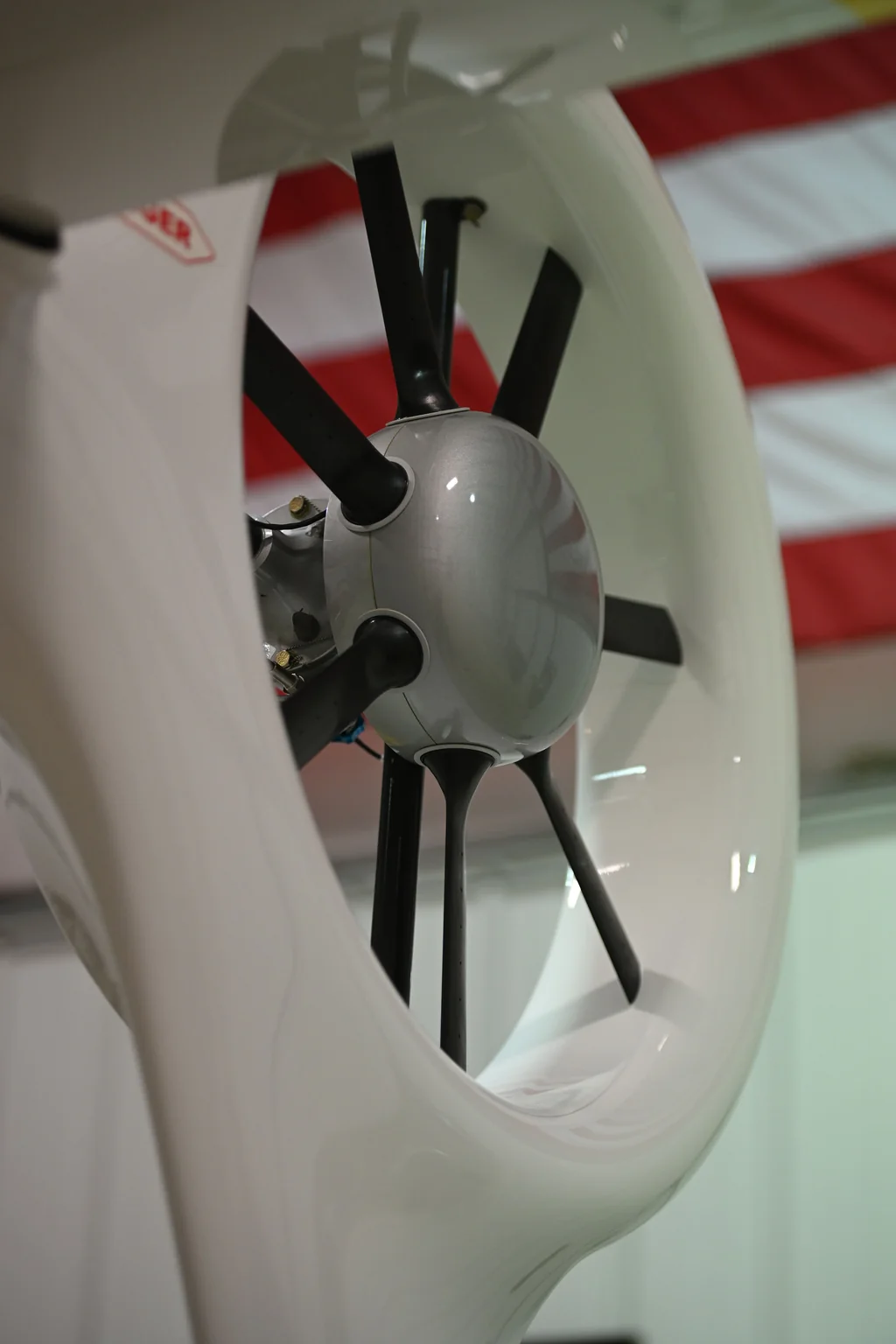
Component identity, time, and recurring requirements can carry more weight than cosmetic condition.
Maintenance patterns reveal how the helicopter was managed
One entry rarely tells the whole story. Patterns across years can show whether inspections occurred on a consistent rhythm, discrepancies received follow-up, recurring items stayed visible, and alterations remained traceable.
Look for continuity across the helicopter’s history. Helicopters need maintenance. Repairs and replaced components can show that an issue was identified and addressed when the work is properly documented. The harder questions begin when an entry is vague, a signature or certificate number is missing, times do not carry forward logically, or later work leaves an earlier discrepancy open.
A useful records review also compares the paper history with the physical aircraft. If an installed item, placard, avionics unit, or configuration change appears on the helicopter, the reviewer should be able to trace the relevant maintenance and alteration documentation. Our Cabri G2 fleet experience reinforces why model familiarity helps: the reviewer knows which systems, component records, and configuration details deserve close attention.
Upcoming maintenance belongs in the purchase price conversation
The sale price is only one part of what you are buying. Records can point toward inspections, component limits, recurring actions, or deferred decisions that may arrive early in your ownership.
Build a post-purchase maintenance horizon that goes beyond whether the aircraft is current today. List known events by calendar time, flight hours, or cycles, as applicable. Then separate routine work from larger component or inspection events and ask what could affect aircraft availability.
This planning exercise gives you a comparison framework. A final quote still depends on parts availability, inspection findings, labor scope, and aircraft configuration. You can use the framework to compare two aircraft with similar asking prices and very different maintenance positions.
A pre-buy should connect the records to the helicopter
A strong pre-buy process begins before the mechanic touches the aircraft. Send the available records early, identify the model and serial-number details, describe the intended operation, and agree on the review scope in writing.
The records review should shape the physical inspection. A repaired area may deserve closer examination. A recurring discrepancy may call for an operational check. An alteration may require confirmation that the installed configuration matches its documentation. Paper points the mechanic toward the aircraft; the aircraft tests the story told by the paper.
A pre-buy is a separately agreed due-diligence process, while FAA-required inspections have their own defined purposes. Its value depends on the scope, the reviewer’s qualifications and model knowledge, record access, and the condition of the aircraft on the day of inspection. Future condition remains uncertain, and any required approval for return to service remains a separate step.
Through TruFix Maintenance, we offer pre-buy inspections, logbook reviews, and airworthiness evaluations. Contact us with the aircraft type, location, available records, and intended timeline so we can define the current scope before you commit.
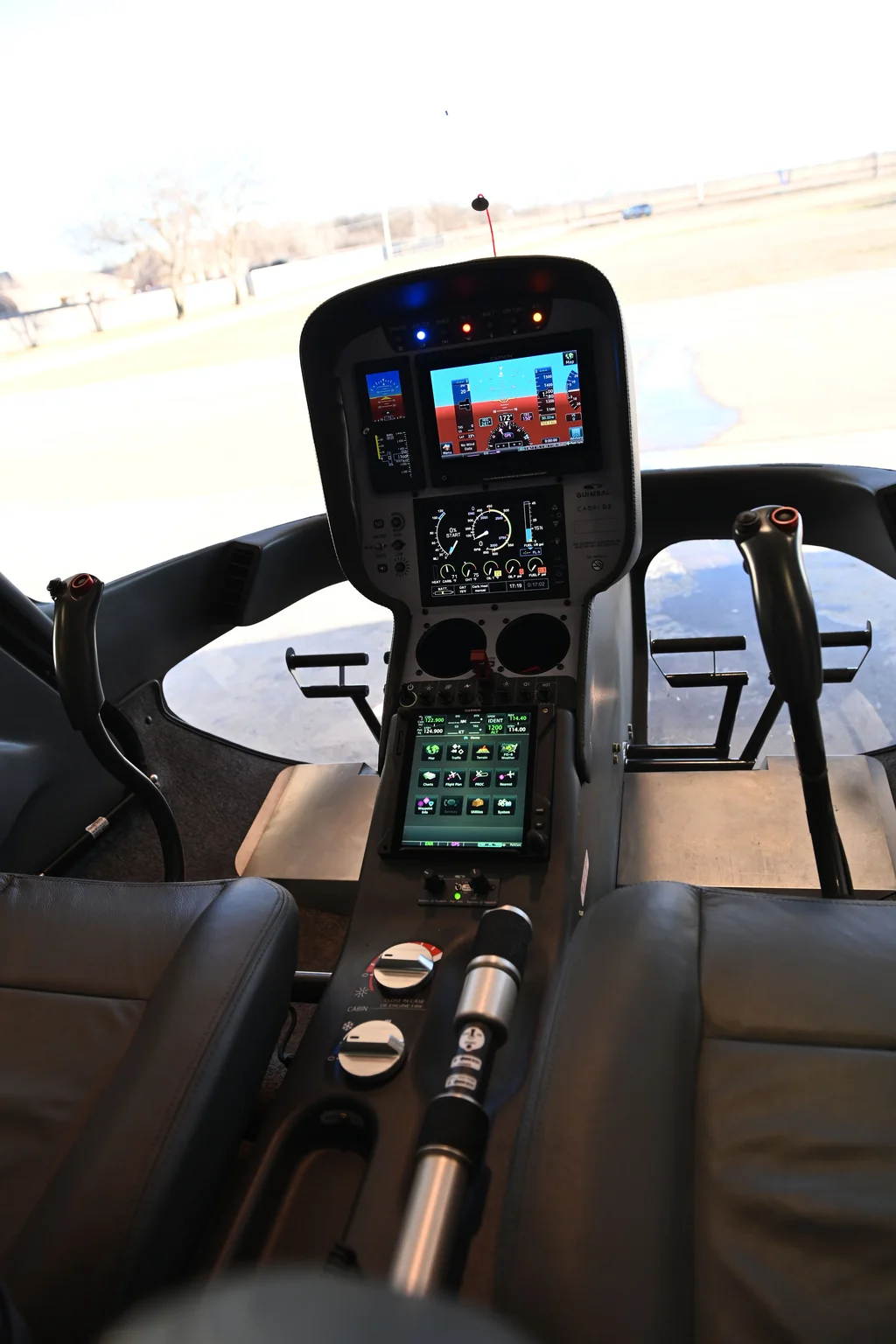
The physical configuration should make sense beside the maintenance and alteration history.
Use the findings to decide, negotiate, or walk away
A useful pre-buy can end with a practical decision map, which is more valuable than a dramatic verdict.
- Proceed when the condition, records, upcoming events, and price fit your plan.
- Renegotiate when a defined maintenance item or documentation issue changes the cost or timing.
- Pause when critical status cannot yet be established.
- Walk away when the unresolved risk exceeds your budget, timeline, or comfort with the aircraft.
The best outcome is a clear understanding of the helicopter you are accepting, flaws included. Our helicopter maintenance team in North Texas approaches ownership decisions with a practical purpose: clarify the evidence, identify the work, and help you avoid buying uncertainty you cannot price.
Frequently asked questions about helicopter maintenance records
Which helicopter maintenance records should transfer at sale?
The continuing records identified in 14 CFR 91.417(a)(2) (including total time, life-limited-part status, required-overhaul status, inspection status, applicable AD status, and specified major-alteration records) must be transferred with the aircraft under § 91.417(b)(2). A logbook review can help organize the package around the aircraft you are considering.
Do clean logbooks prove a helicopter has no hidden problems?
No. Records and physical condition answer different questions. Organized records support traceability and status review, but they do not replace a hands-on inspection. Pair the books with a defined pre-buy inspection.
What if part of the aircraft history is missing?
First identify what the gap prevents you from establishing. The next step may involve locating supporting paperwork, contacting a prior maintenance provider, inspecting a component, or pricing another resolution. The effect depends on the missing information, so bring the specific records to our maintenance team rather than relying on a blanket rule.
Are repairs or component replacements always a bad sign?
No. Aircraft require maintenance throughout their operating lives. A documented repair or replacement can be easier to evaluate than an unexplained condition. Focus on whether the work is traceable, properly entered, and consistent with the aircraft you see. Our article about TruFix’s Guimbal factory-trained mechanic explains why platform knowledge helps during that review.
Can maintenance records help estimate ownership cost?
They can reveal known timing for inspections, limited-life items, overhauls, and recurring actions, which helps build a maintenance horizon. They cannot predict every discrepancy, parts delay, or inspection finding. Keep acquisition, reserves, storage, and insurance visible as separate parts of the plan.
Who is responsible for maintaining the helicopter’s airworthiness?
Under 14 CFR 91.403, the owner or operator is primarily responsible for maintaining the aircraft in an airworthy condition. Mechanics remain responsible for the work they perform and the approvals they make. Good ownership begins with organized records and a dependable maintenance relationship.
Put the records under review before you commit
If you are considering a helicopter purchase, review the records before closing reveals unanswered questions. Bring the logbooks and the aircraft into one pre-buy process while you still have room to make a clear decision.
Schedule a pre-buy conversation with us and tell us about the helicopter, its location, the records available, and your buying timeline.