
Helicopter License FAQ: Eligibility, Readiness, and Getting Started (2026)
Short, plain answers to what people ask before they start helicopter lessons in North Texas.
Schedule Your FlightCan You Qualify, Are You Ready, and What Comes First?
Most people who search for a helicopter license want to know three things: can I qualify, am I ready, and what do I do first. Each answer below is short, and where a topic needs more room, we link to the full guide.
The last question on this page covers the first step.
Clear any doubts you might have
Frequently Asked Questions
The FAA calls it a pilot certificate, and most people say license. For helicopters, you earn a private pilot certificate with a helicopter rating, and other ratings, such as instrument, get added to it later.
Our guide to license vs certificate vs rating explains the terms in plain language, so you know what to ask for when you call a school.
Usually, yes. When people say helicopter pilot license, they most often mean the private pilot certificate, which is the first full certificate and the one for flying you are not paid for.
With it, you can fly friends and family within the limits of your certificate and endorsements. Getting paid to fly is a different step, covered in the private vs commercial question below.
You must be at least 17 years old for the private pilot certificate. You can begin lessons earlier, because a student pilot certificate, generally available from age 16, is needed before you fly solo, not to take lessons.
Our eligibility checklist walks through age and the other basics in one pass.
You need to read, speak, write, and understand English, pass the FAA knowledge test (the written exam) with an instructor's endorsement, and pass the practical test, called a checkride, with an examiner.
We train under Part 61, the FAA rule set that lets your instructor pace lessons to your proficiency. We also have an examiner on staff, so your checkride is part of the plan from the start.
An FAA medical certificate is generally needed before your first solo. It comes from an Aviation Medical Examiner, and eligibility questions belong with that doctor, not with a school or a website. This is not medical advice.
Plan to address your medical early, so it does not catch you off guard after you have started lessons.
The FAA sets minimum flight hours, but they are a floor. Your real timeline depends on how often you fly, the weather, aircraft availability, and how quickly the skills settle in. We do not quote hour totals here because they vary by student.
For current rates, see our pricing page. Financing options may be available to qualified applicants, and we are happy to walk you through them. The readiness questions and the timeline guide help you plan your weeks and budget before you commit.
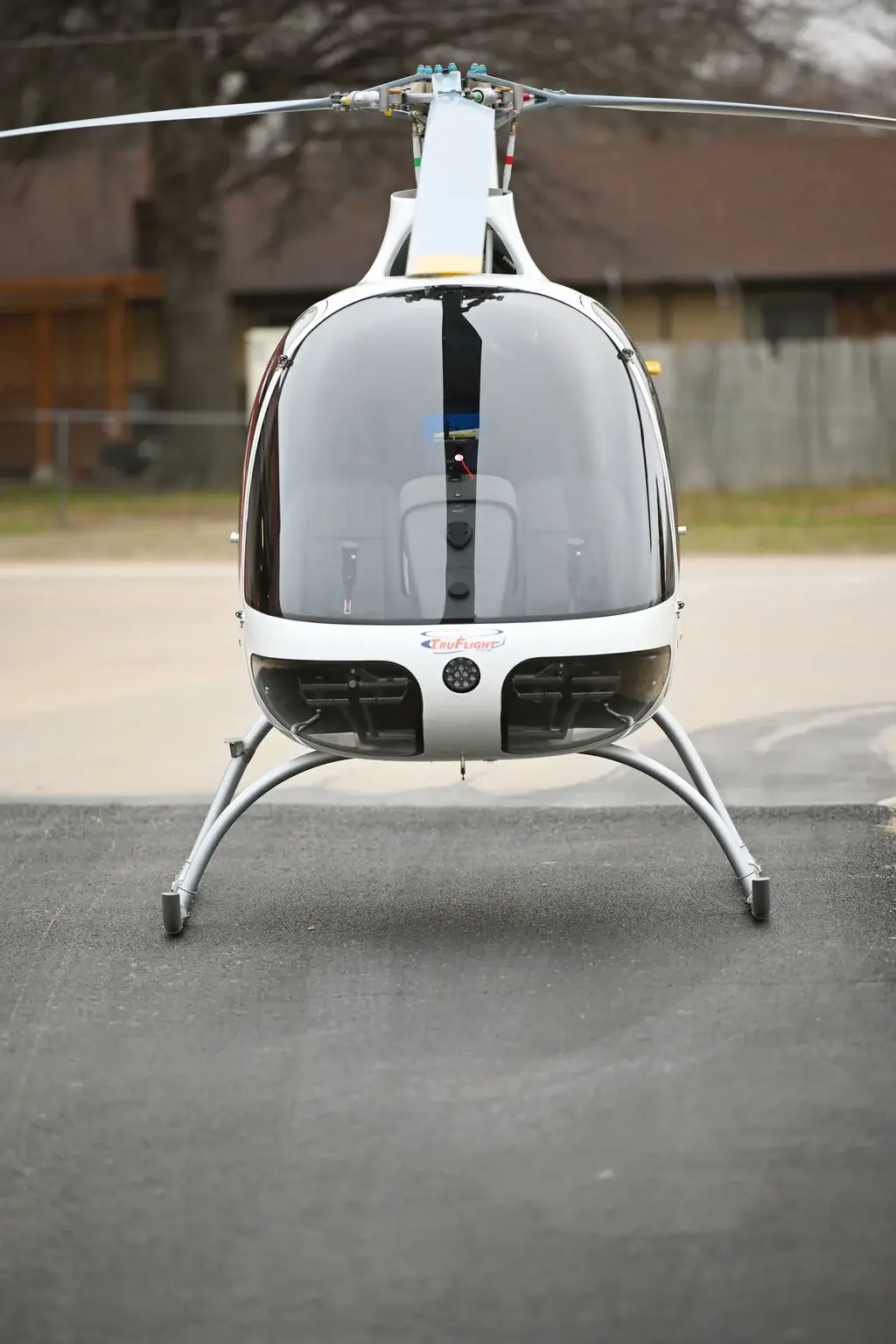
Yes. A discovery flight is about an hour in a Guimbal Cabri G2 with an instructor. You take the controls, fly straight and level, and try a hover. No experience is needed and booking it does not obligate you to enroll.
It is the quickest way to learn whether the cockpit feels right, before you spend on anything bigger. Schedule your discovery flight when you are ready.
If you fly for the enjoyment of it, yes, the private pilot certificate is usually the goal. It covers noncommercial flying with passengers within its limits, and some pilots add an instrument rating later for more weather flexibility.
If you are weighing fun against career, our guide to a recreational helicopter flying license lays out which goals fit.
Our home base is Finney Field in Howe, just north of McKinney, where we fly Guimbal Cabri G2 helicopters with one instructor and one student in every lesson.
If Howe is a long drive, we also offer mobile lessons at select airports. Tell us the airport you have in mind and we will confirm whether we can train there. The mobile lessons guide shows how it works.
A private certificate is for flying you are not paid for. A commercial certificate is the step for flying for pay. It takes more training and its own practical test, and it does not guarantee a job.
Many career-track pilots start with private, then add instrument and commercial. See the Private Pilot and Commercial Pilot programs to compare them side by side.
Book a discovery flight. It puts you in the helicopter and gives you time with an instructor to talk through your goals, with no obligation to enroll.
After that, the Private Pilot program page shows what training looks like, and you can contact us with any question about your situation. We will tell you which steps apply to you.
No questions match your search
Try a different word or topic.
Feel the Controls Before You Commit
A discovery flight puts you in the cockpit with an instructor, so you can decide whether a helicopter license is your next step. Schedule your flight and bring your questions along.